

Introduction
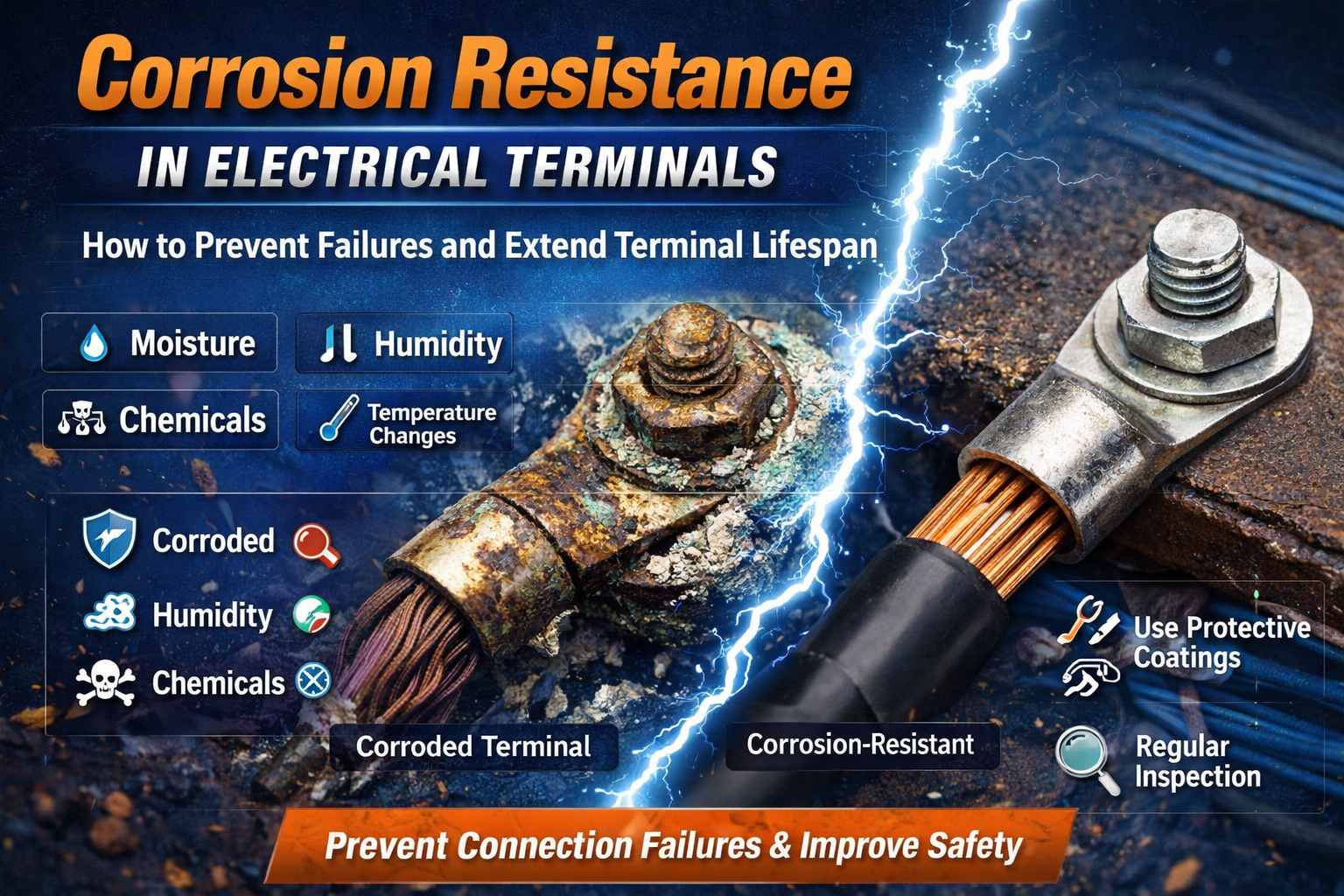
When it comes to electrical connections, corrosion is one of the most common—and most underestimated—problems.
At first, it may look like a small discoloration. But over time, corrosion can lead to:
- Increased resistance
- Overheating
- Power loss
- Complete system failure
In industries like EV charging, solar power, and battery systems, this isn’t just a performance issue—it’s a safety risk.
The good news?
Most corrosion-related failures are completely preventable with the right materials and practices.
In this guide, we’ll break down:
- What corrosion really is
- Why it happens
- And how to stop it before it causes serious problems
What Is Corrosion in Electrical Terminals?
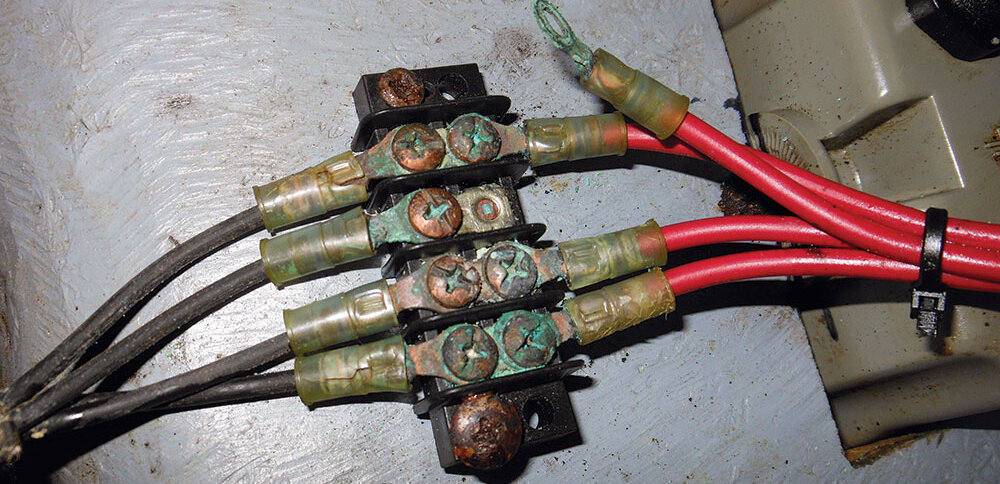
Corrosion in electrical terminals is the gradual degradation of metal caused by exposure to moisture, oxygen, or chemicals. It increases electrical resistance, weakens connections, and can eventually lead to overheating or system failure if not properly managed.
What Is Corrosion and Why Does It Matter?
In simple terms, corrosion is a chemical reaction between metal and its environment.
For electrical terminals, this usually means:
- Copper reacting with oxygen → oxidation
- Metal exposed to moisture → accelerated degradation
The result?
A thin layer of corrosion builds up on the surface
This layer acts like an insulator
Electrical resistance increases
And when resistance increases, heat follows.
Why Corrosion Resistance Is Critical?
Let’s make this practical.
In real applications, corrosion can cause:
1. Reduced Conductivity
Even a small amount of corrosion can disrupt current flow.
2. Overheating
Higher resistance = more heat = higher failure risk.
3. Mechanical Weakening
Corroded terminals are more likely to crack or break.
4. System Downtime
In industrial or EV systems, this means costly interruptions.
This is why corrosion resistance is not optional—it’s essential.
Most Common Types of Corrosion in Electrical Terminals
Understanding the types of corrosion helps you prevent them effectively.
Oxidation
This is the most common type.
- Copper forms oxide layers when exposed to air
- These layers reduce conductivity
Galvanic Corrosion
Occurs when two different metals are connected.
- Creates an electrochemical reaction
- One metal corrodes faster
Electrolytic Corrosion
Happens when electricity flows in the presence of moisture.
- Accelerates degradation
- Common in outdoor systems
Environmental Corrosion
Caused by harsh conditions:
- Salt (marine environments)
- Chemicals (industrial plants)
- Pollution
What Causes Corrosion in Electrical Terminals?
Terminal corrosion is caused by exposure to moisture, oxygen, chemicals, temperature changes, and poor material selection. Improper installation and lack of protective coatings can accelerate corrosion and reduce the lifespan of electrical connections.
Let’s break it down:
Moisture and Humidity
Water is the biggest enemy.
Even small amounts can trigger corrosion.
Chemical Exposure
Industrial environments often contain corrosive substances.
Temperature Changes
Expansion and contraction can weaken protective layers.
Poor Material Selection
Low-quality metals corrode faster.
Improper Installation
Loose connections allow moisture to enter.
Best Materials for Corrosion Resistance
Choosing the right material is your first line of defense.
Copper Terminals
- Excellent conductivity
- Moderate corrosion resistance
Tinned Copper Terminals
- Copper coated with tin
- Much better corrosion resistance
- Ideal for outdoor and high-humidity environments
👉 Related reading: Copper vs Tinned Copper Terminals
Aluminum Terminals
- Lightweight
- More prone to oxidation
Plated Terminals (Nickel / Silver)
- Extra protection
- Used in high-performance applications
Which material is best for corrosion resistance?
Tinned copper is one of the best materials for corrosion resistance in electrical terminals. It combines high conductivity with a protective tin coating that prevents oxidation and moisture damage, making it ideal for outdoor and harsh environments.
How to Prevent Corrosion in Electrical Terminals?
Now let’s focus on what really matters—prevention.
1. Choose the Right Material
Always match the material to the environment.
- Indoor → copper
- Outdoor → tinned copper
2. Use Protective Coatings
Plating like tin or nickel helps:
- Block moisture
- Reduce oxidation
3. Apply Proper Crimping
A tight crimp:
- Prevents air gaps
- Stops moisture from entering
👉 Related: How to Crimp Electrical Terminals Correctly
4. Use Sealed or Insulated Terminals
Especially important for:
5. Follow Installation Best Practices
Avoid:
- Loose connections
- Contamination
- Improper tools
6. Perform Regular Maintenance
Check for:
- Discoloration
- Residue
- Heat
👉 Related: Common Electrical Terminal Failures and How to Prevent Them
Corrosion Challenges in Real Applications
EV Charging Systems
- High current + outdoor exposure
- Requires strong corrosion resistance
Solar Power Systems
- Constant sun + rain exposure
- Long-term durability is critical
Marine Environments
- Salt accelerates corrosion
- Requires premium materials
Industrial Equipment
- Chemicals + heat
- Demands robust protection
How to Identify Corrosion Early
Early detection can save you from major failures.
Look for:
- Green or white residue
- Surface discoloration
- Pitting or rough texture
- Loose connections
- Heat buildup
How to detect corrosion in terminals?
Corrosion in electrical terminals can be detected by visual signs such as discoloration, green or white residue, surface damage, and loose connections. Increased heat or voltage drops during operation are also common indicators of corrosion-related problems.
Why Terminal Quality Matters
Not all terminals perform the same.
High-quality terminals offer:
- Better material purity
- Stronger plating
- Consistent performance
Low-quality terminals:
- Corrode faster
- Fail sooner
- Increase risk
Why Choose Qianwei Precision
At Qianwei Precision, we understand how critical corrosion resistance is.
We provide:
- High-purity copper and tinned copper terminals
- Advanced plating technology
- Strict quality control
- Custom solutions for harsh environments
Whether you’re working on EV charging, solar systems, or industrial equipment, we help you build connections that last.
👉 Contact us today for expert support and fast quotations.
Conclusion
Corrosion is one of the biggest threats to electrical reliability—but it’s also one of the easiest to prevent.
By focusing on:
- The right materials
- Proper installation
- Regular maintenance
You can significantly extend the lifespan of your electrical systems.
👉 If you need reliable, corrosion-resistant terminals,
Qianwei Precision is ready to support your next project.
FAQ
What causes corrosion in electrical terminals?
Moisture, oxygen, chemicals, and poor materials are the main causes.
Are tinned copper terminals better?
Yes, especially in outdoor or humid environments.
Does corrosion increase resistance?
Yes, it reduces conductivity and generates heat.
How can I prevent corrosion?
Use proper materials, coatings, and installation techniques.
How often should terminals be checked?
Regular inspections are recommended, especially in harsh environments.


3 thoughts on “Corrosion Resistance in Electrical Terminals: How to Prevent Failures and Extend Lifespan”