

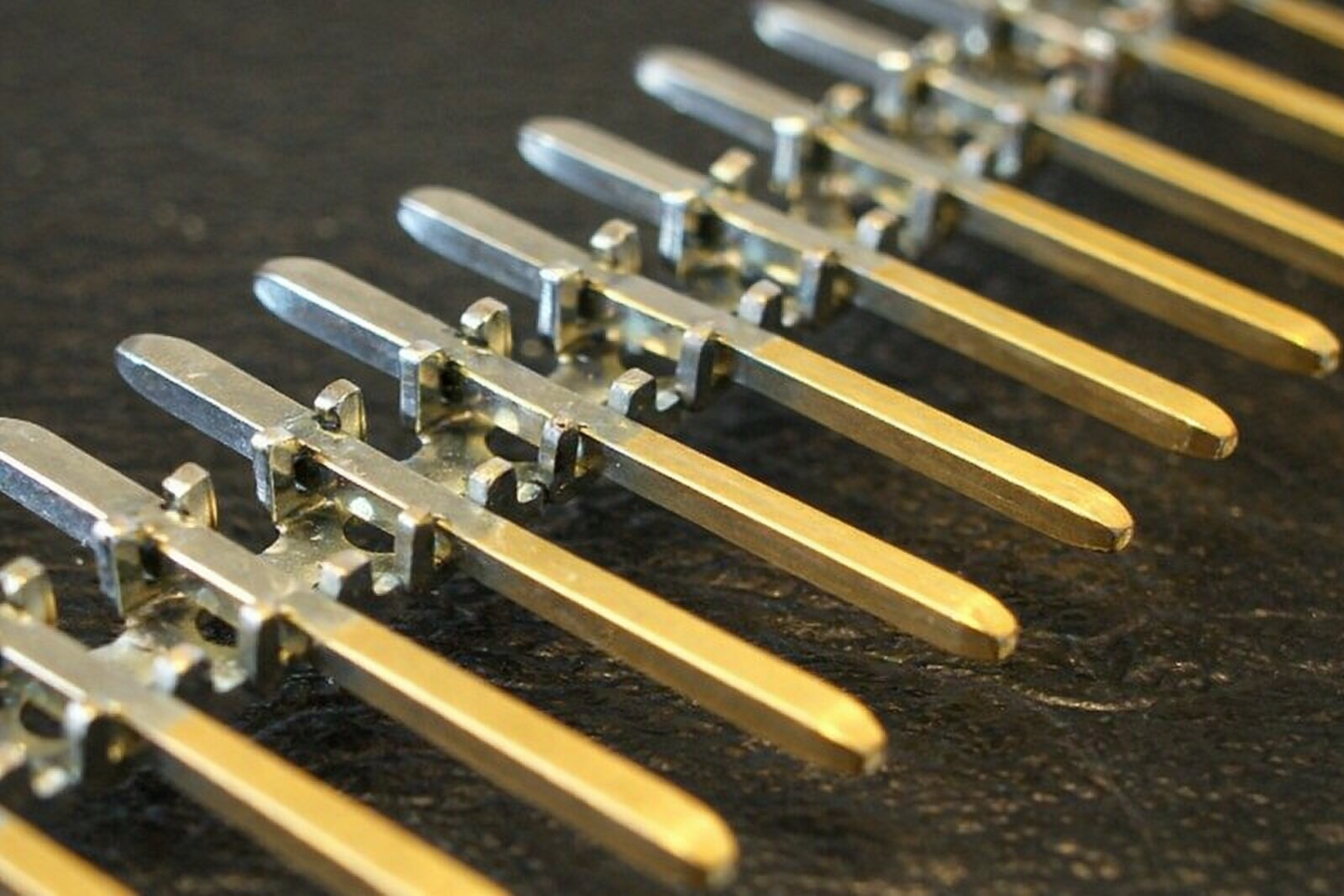
Plating significantly impacts contact resistance by influencing electrical conductivity, oxidation behavior, and the stability of contact interfaces. Materials like silver and gold provide lower and more stable resistance due to superior conductivity and corrosion resistance, while tin offers a cost-effective solution but is more prone to oxidation over time. Key factors include plating material, thickness, surface roughness, and environmental conditions such as humidity and vibration.
Plating vs Contact Resistance: Quick Comparison
| Plating Type | Conductivity | Oxidation Resistance | Contact Stability | Typical Applications |
| Tin | Medium | Low | Moderate | General wiring, low-cost terminals |
| Silver | Very High | Medium | High | High-current applications |
| Gold | High | Very High | Very High | Signal transmission, PCB connectors |
| Nickel | Low | High | Low (used as base) | Underlayer / barrier plating |
What Is Contact Resistance and Why It Matters
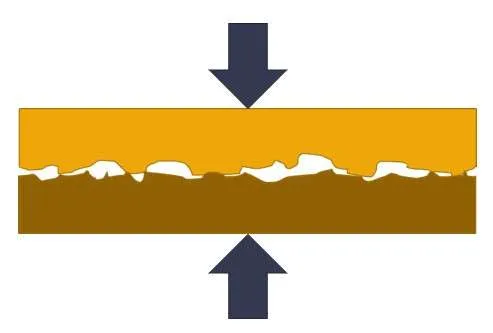
Contact resistance refers to the resistance that occurs at the interface between two conductive materials. Even when two metal surfaces appear smooth, actual electrical contact occurs only at microscopic نقاط (asperities).
Why It Matters:
Heat Generation: High resistance leads to overheating
Voltage Drop: Reduces system efficiency
Signal Instability: Critical in low-voltage applications
Failure Risk: Long-term degradation can lead to system failure
👉 For terminal manufacturers and users, controlling contact resistance is essential for reliability and safety.
How Plating Impacts Contact Resistance
Plating affects contact resistance through several fundamental mechanisms.
1. Electrical Conductivity of the Plating Material
Different metals have different conductivity levels:
Silver → Highest conductivity
Gold → Slightly lower but highly stable
Tin → Moderate conductivity
Nickel → Poor conductivity
👉 Impact:
Higher conductivity materials reduce initial contact resistance, especially in high-current applications.
2. Oxidation and Corrosion Behavior
One of the biggest factors affecting long-term resistance is oxidation.
Tin plating forms oxide layers over time
Silver plating can tarnish but remains conductive
Gold plating does not oxidize
👉 Impact:
Oxide layers act as insulating barriers, increasing resistance significantly.
3. Surface Roughness and Real Contact Area
Even polished metal surfaces are not perfectly flat.
Electrical current flows through microscopic contact points
Smoother and properly plated surfaces increase effective contact area
👉 Impact:
Better surface finish = lower and more stable resistance
4. Fretting Corrosion (Critical in Real Applications)
Fretting occurs when there is micro-motion between contacts:
Common in automotive and vibration environments
Causes debris buildup and oxidation
👉 Impact:
Rapid increase in contact resistance
Intermittent electrical failure
Gold plating performs best in these conditions.
Plating Materials: Detailed Comparison for Engineers
Tin Plating
Advantages:
Low cost
Good solderability
Widely used
Disadvantages:
Oxidation over time
Increasing resistance in harsh environments
Best For:
Cost-sensitive applications
General electrical connections
Silver Plating
Advantages:
Excellent conductivity
Ideal for high current
Disadvantages:
Tarnishing (surface discoloration)
Slightly higher cost
Best For:
Power distribution
High-load terminals
Gold Plating
Advantages:
No oxidation
Extremely stable resistance
High reliability
Disadvantages:
High cost
Best For:
Signal transmission
Critical electronics
Nickel Plating
Role:
Barrier layer under other plating
Why It Matters:
Prevents diffusion between base metal and top layer
How Plating Thickness Affects Contact Resistance
Plating thickness is often overlooked but critically important.
Thin Plating Problems:
Wears off quickly
Base metal exposure
Increased resistance over time
Thick Plating Benefits:
Improved durability
Stable performance
Better corrosion resistance
Trade-Off:
Increased cost
👉 Engineering Insight:
Choosing the right thickness is a balance between performance requirements and budget constraints.
Real-World Application Scenarios
1. Low-Voltage Signal Systems
Requirement: stable, low resistance
Recommended: Gold plating
2. High-Current Power Applications
Requirement: minimal resistance, high conductivity
Recommended: Silver plating
3. Cost-Sensitive Industrial Applications
Requirement: acceptable performance at low cost
Recommended: Tin plating
4. Harsh Environments (Humidity, Vibration)
Requirement: corrosion resistance and stability
Recommended: Gold or optimized silver plating
Common Problems and How to Solve Them
Problem 1: Increasing Contact Resistance Over Time
Cause: Oxidation or plating wear
Solution: Use thicker plating or corrosion-resistant materials
Problem 2: Overheating at Terminal Connections
Cause: High resistance due to poor plating
Solution: Switch to higher conductivity plating (e.g., silver)
Problem 3: Intermittent Electrical Failure
Cause: Fretting corrosion
Solution: Use gold plating or improve mechanical stability
How to Choose the Right Plating for Your Application
Use this checklist:
1. Electrical Requirements
High current → Silver
Signal → Gold
2. Environment
Humid / corrosive → Gold
Stable indoor → Tin
3. Mechanical Conditions
Vibration → Gold preferred
4. Budget
Tight budget → Tin
High reliability → Gold or Silver
Manufacturer Insight: Why Plating Quality Matters
Not all plating is equal.
Key factors that affect performance:
Thickness consistency
Surface preparation
Adhesion quality
Process control
👉 Poor plating quality can lead to:
Unstable resistance
Premature failure
Warranty issues
👉 Reliable manufacturers use:
Precision-controlled plating processes
Strict quality inspection
Application-specific recommendations
Conclusion
Plating plays a critical role in determining contact resistance, directly impacting electrical performance, reliability, and lifespan. Selecting the right plating material and thickness is essential for balancing cost and performance.
For engineers and buyers, understanding how plating affects contact resistance is not just a technical detail—it is a key factor in ensuring long-term system reliability and avoiding costly failures.
FAQs
1. Does gold plating reduce contact resistance?
Yes. Gold plating provides stable and low contact resistance because it does not oxidize.
2. Is silver better than tin for conductivity?
Yes. Silver has significantly higher conductivity and is better for high-current applications.
3. Why does contact resistance increase over time?
Main causes include oxidation, wear, contamination, and fretting corrosion.
4. How thick should plating be?
It depends on the application, but thicker plating generally improves durability and stability while increasing cost.
If you are selecting terminals for demanding applications, working with Qianwei Precision that offers custom plating solutions and strict quality control can significantly improve performance and reliability.

