

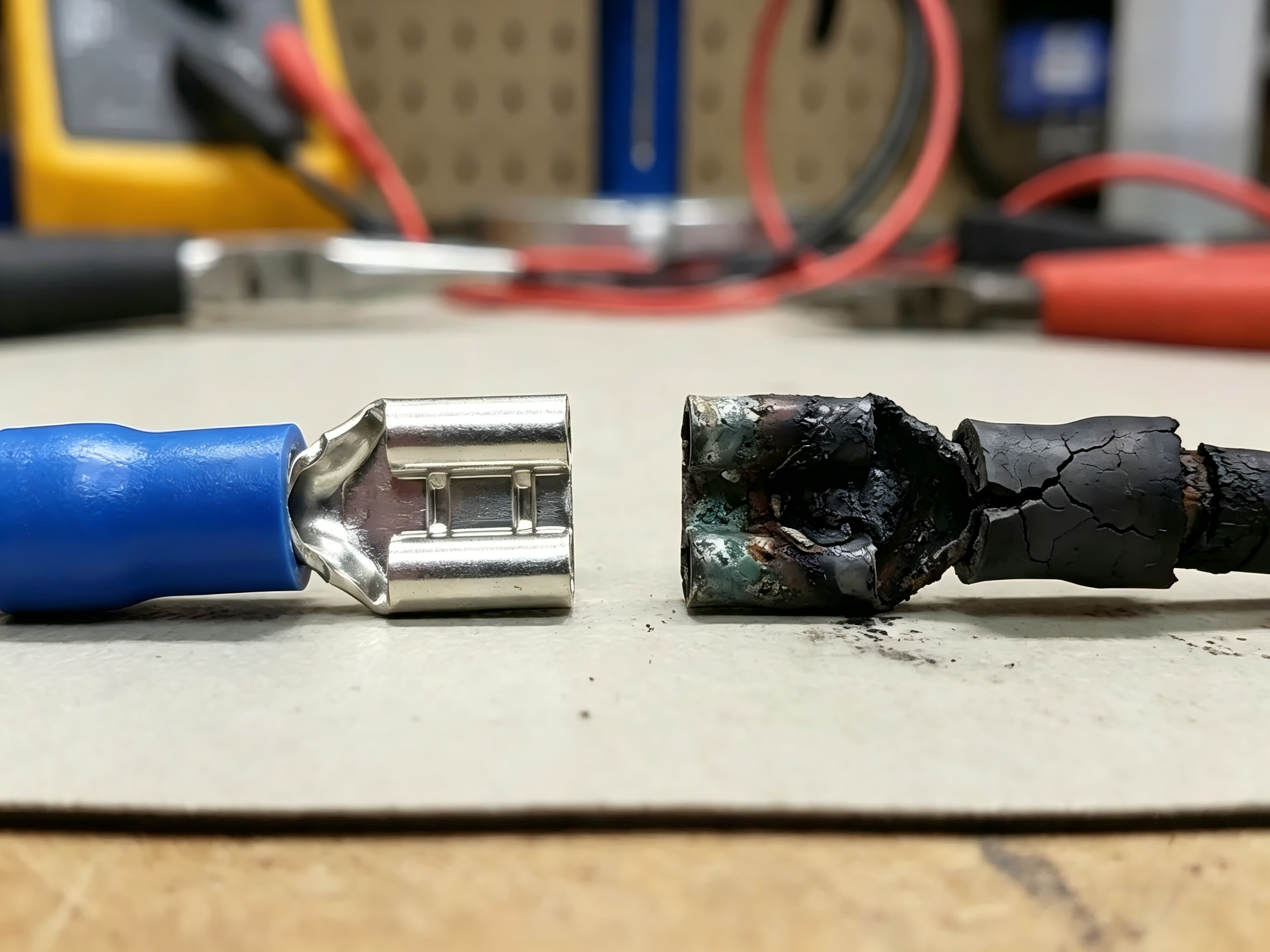
Electrical systems are an integral part of our life, powering everything from everyday household devices to complex machinery. One of the most common yet often overlooked aspects of maintaining electrical systems is proper crimping. Poor crimping in electrical connections can lead to a myriad of issues, including electrical failures, overheating, and even catastrophic malfunctions. In this article, we will explore why poor crimping causes electrical failures, the factors that contribute to it, and how you can ensure a reliable crimp to prevent costly downtime and equipment damage.
1. What is Crimping?
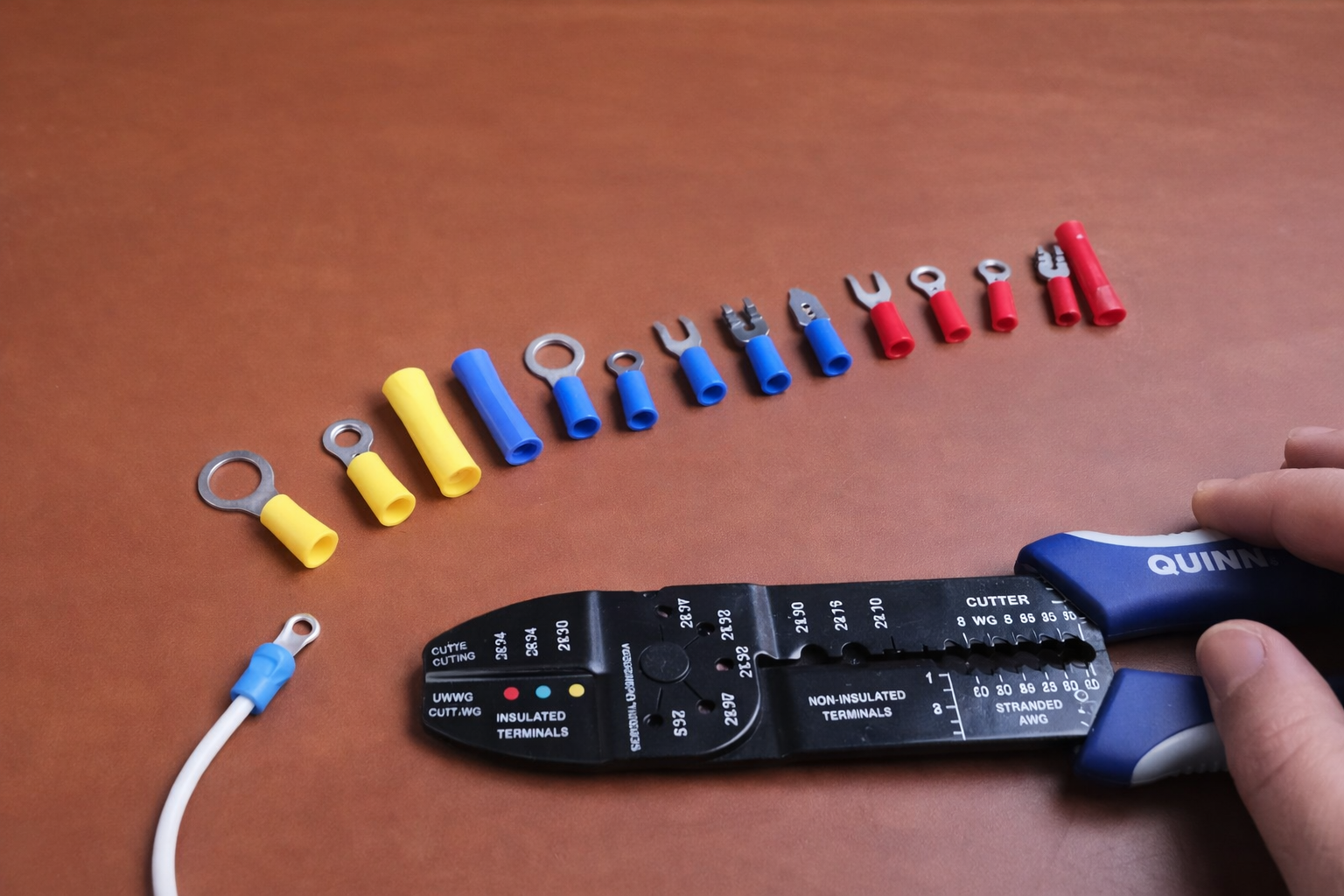
Crimping refers to the process of joining two metal parts (such as a wire and a terminal) by deforming one of the parts to press it tightly around the other. It’s commonly used in electrical connections to ensure a solid, conductive, and secure bond. The crimping process requires a specialized tool, often referred to as a crimping tool, which applies the necessary force to create a reliable connection.
Crimping is a preferred method for electrical connections because it offers a low-resistance connection that ensures minimal power loss. However, the quality of the crimp is directly linked to the integrity of the electrical connection. When done improperly, poor crimping can cause a host of issues that lead to system failures.
2. How Poor Crimping Leads to Electrical Failures
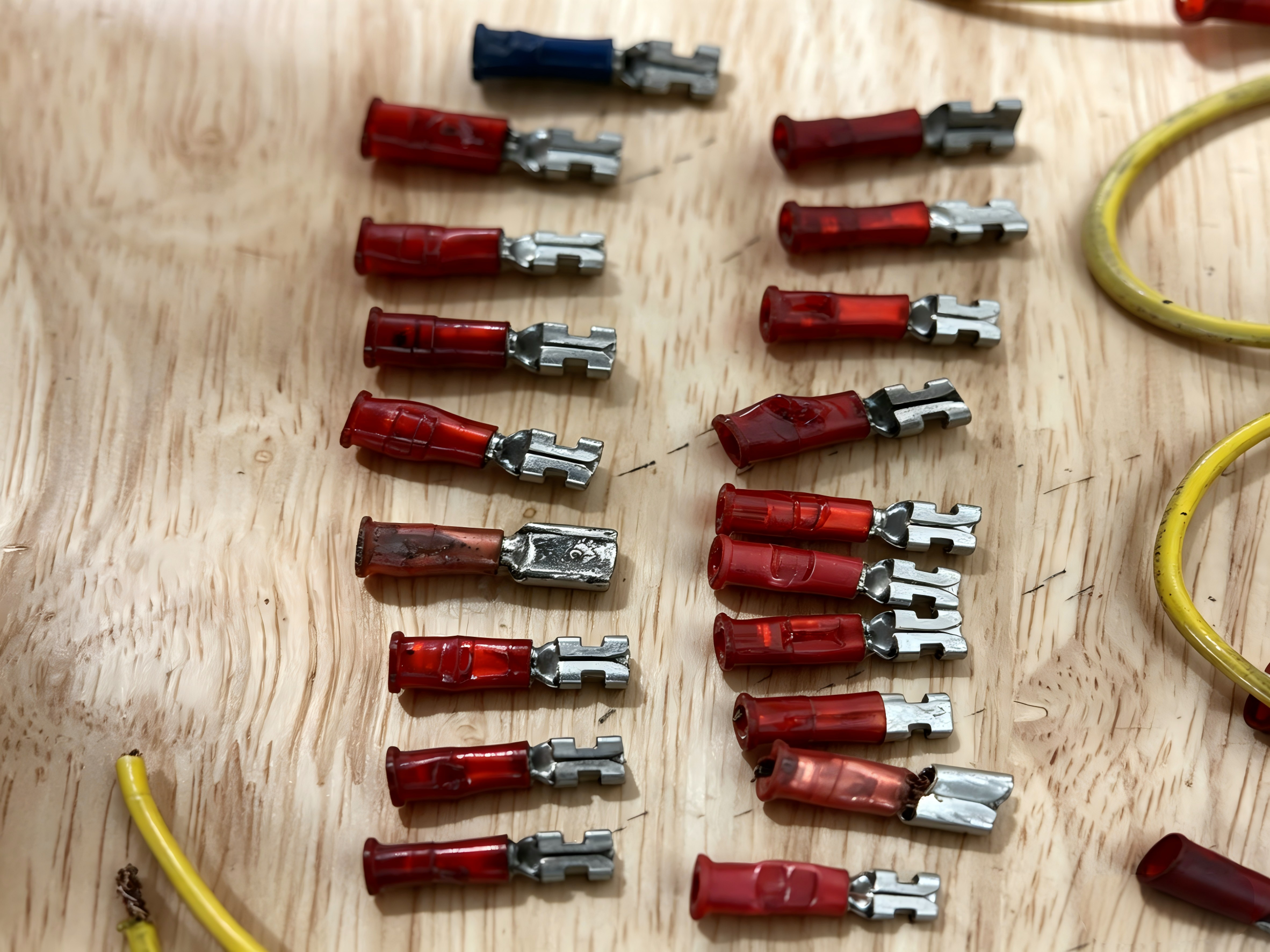
Understanding the problems caused by poor crimping requires knowing how a crimped connection works. A properly crimped terminal ensures good electrical conductivity and mechanical strength, providing a solid and reliable connection. However, improper crimping can cause:
2.1 Poor Conductivity
Improper crimping, such as insufficient pressure during the process, results in a poor electrical connection. When a crimp isn’t tight enough, there will be gaps between the wire and terminal, creating high resistance. This increased resistance generates heat, which can cause the wire or terminal to overheat and, in extreme cases, lead to electrical fires.
2.2 Loose Connections
A crimped terminal that isn’t properly secured can become loose over time, especially under vibration or mechanical stress. This loose connection can cause intermittent electrical failures or complete loss of contact, leading to equipment malfunction or system downtime.
2.3 Corrosion and Damage
Poor crimping can also create weak points in the electrical connection, allowing moisture or contaminants to enter. Over time, this can lead to corrosion, especially in outdoor or harsh environments. Corrosion increases the resistance at the contact point, worsening the electrical failure and shortening the lifespan of the equipment.
2.4 Safety Risks
The most significant consequence of poor crimping in electrical systems is the risk it poses to safety. Overheated or loose connections can cause sparks, arcs, or even fires, posing a serious hazard to both people and property.
3. Factors That Contribute to Poor Crimping
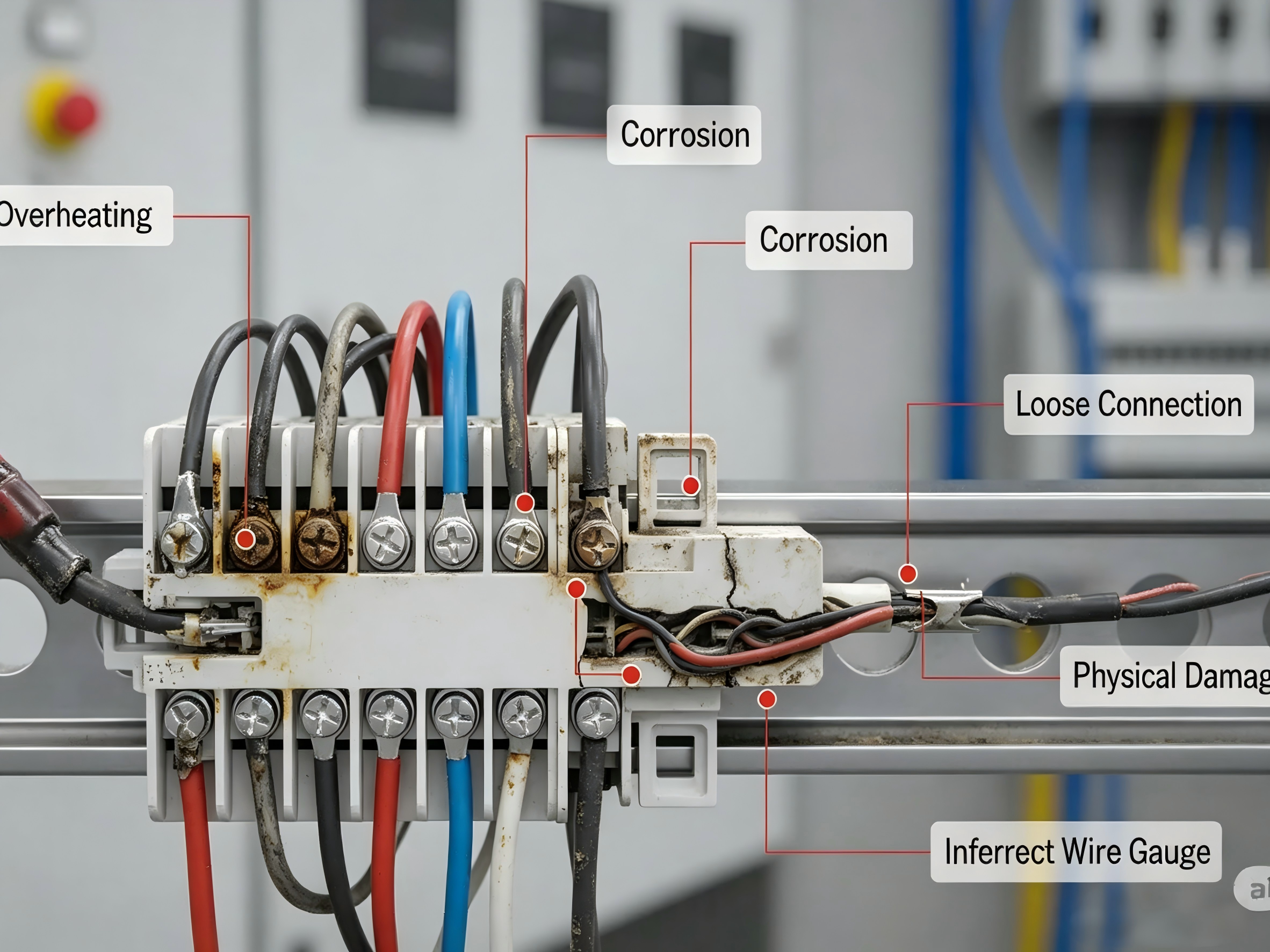
To avoid poor crimping and the subsequent failures, it’s essential to understand the factors that contribute to this problem. Here are some of the most common causes:
3.1 Inadequate Tools
The crimping tool plays a critical role in the quality of the crimp. Using a low-quality tool or an improperly sized crimping tool can result in inadequate pressure being applied during the crimping process. This leads to either an overly loose connection or an over-crimped connection that can damage the wire or terminal.
3.2 Improper Technique
Even with the right tools, improper technique can lead to poor crimping. For instance, crimping too much or too little can affect the connection’s strength and reliability. Another common mistake is using the wrong type of terminal for the wire size, leading to a poor fit and weak connection.
3.3 Material Quality
The quality of the wire and terminal material can also influence the outcome of the crimping process. Subpar materials are more prone to corrosion, wear, and fatigue, leading to eventual failure. It’s important to select high-quality terminals and wires that meet industry standards to ensure the longevity and reliability of your electrical connections.
3.4 Lack of Training or Experience
In many industries, crimping is performed by technicians who may not have the proper training or experience. Without the proper knowledge of crimping techniques, it’s easy to make mistakes that lead to poor connections and, ultimately, electrical failures.
4. How to Avoid Poor Crimping and Prevent Electrical Failures
Now that we’ve identified the problems caused by poor crimping, let’s discuss how to avoid them and ensure a reliable electrical connection.
4.1 Best Practices for Crimping
To ensure a secure and reliable crimp, follow these best practices:
Use the Right Tools: Invest in high-quality crimping tools that are specifically designed for the type of terminal and wire you are working with. A well-calibrated, reliable tool ensures consistent pressure, resulting in a proper crimp every time.
Select the Correct Terminal: Always choose a terminal that matches the size and type of wire you are using. The terminal should fit snugly around the wire, and the crimp tool should apply sufficient pressure to form a solid connection.
Follow the Manufacturer’s Instructions: Each terminal and crimping tool will have manufacturer-specific instructions. Following these guidelines will help you achieve the best possible results.
Perform Pull Tests: After crimping, always perform a pull test to ensure the terminal is securely attached to the wire. This will help you identify any loose connections before they lead to failures.
4.2 Material Quality
To further prevent electrical failures, choose terminals and wires made from high-quality materials, such as tin-plated copper or tinned brass, which are corrosion-resistant and durable. Opt for terminals that have been tested and certified to meet industry standards, ensuring they perform reliably under stress.
4.3 Regular Inspection and Maintenance
Crimped connections should be regularly inspected, especially in high-stress environments. Look for signs of corrosion, loose connections, or overheating. If any issues are found, replace or re-crimp the connection immediately.
4.4 Training and Certification
Investing in training for your technicians ensures that they understand proper crimping techniques, the use of correct tools, and the importance of inspecting their work. Regularly refresh training to keep up with best practices and industry standards.
5. The Impact of Poor Crimping on Specific Industries
Poor crimping can have far-reaching effects across different industries, where electrical reliability is critical.
5.1 Automotive Industry
In the automotive sector, poor crimping can cause issues like faulty lighting systems, sensor malfunctions, or even engine failure. Given the vibration and movement inherent in vehicles, secure electrical connections are crucial for long-term reliability and safety.
5.2 Aerospace and Military Applications
In aerospace and military applications, electrical failures caused by poor crimping can lead to mission failures, equipment malfunctions, or even life-threatening situations. These industries require precise, reliable electrical connections that will withstand extreme conditions.
5.3 Industrial and Commercial Systems
In industrial manufacturing and commercial systems, poor crimping can lead to production downtime, expensive repairs, or safety hazards. Reliable electrical connections are essential for ensuring operational efficiency and reducing costly disruptions.
6. Conclusion
In conclusion, poor crimping can lead to serious electrical failures, from overheating and corrosion to safety hazards. By understanding the importance of proper crimping techniques, selecting the right tools and materials, and regularly inspecting connections, you can prevent these failures and ensure the reliability of your electrical systems.
For industries that rely heavily on electrical systems, like automotive, aerospace, and manufacturing, ensuring high-quality crimping practices is not just a best practice — it’s a necessity for long-term success.
If you need high-quality terminals and crimping tools that are designed to ensure optimal performance, contact us at Qianwei Precision. Our products meet the highest standards, ensuring that your electrical systems remain safe, reliable, and efficient.
7. FAQs
7.1 What is the difference between crimping and soldering for electrical connections?
Crimping involves mechanically pressing a terminal onto a wire, while soldering uses a melted alloy to bond the wire and terminal. Crimping is quicker and often provides more reliable connections in high-vibration environments.
7.2 How can I test if a crimp is done correctly?
A simple pull test can determine if the crimped terminal is securely attached to the wire. Additionally, using a multimeter to check continuity ensures there is no resistance at the crimp point.
7.3 What are the most common mistakes in the crimping process?
Common mistakes include using the wrong crimping tool, improper wire stripping before crimping, and insufficient pressure during the crimping process.
7.4 How do temperature and environmental factors affect crimping?
Extreme temperatures and moisture can lead to corrosion or degradation of the crimp, increasing resistance and causing eventual failure. Always ensure proper insulation and sealing to protect crimps in harsh environments.
7.5 Can poor crimping cause long-term damage to my equipment?
Yes, poor crimping can lead to increased resistance, overheating, and corrosion, which can cause long-term damage to electrical systems and equipment, reducing their lifespan and performance.

