

Introduction
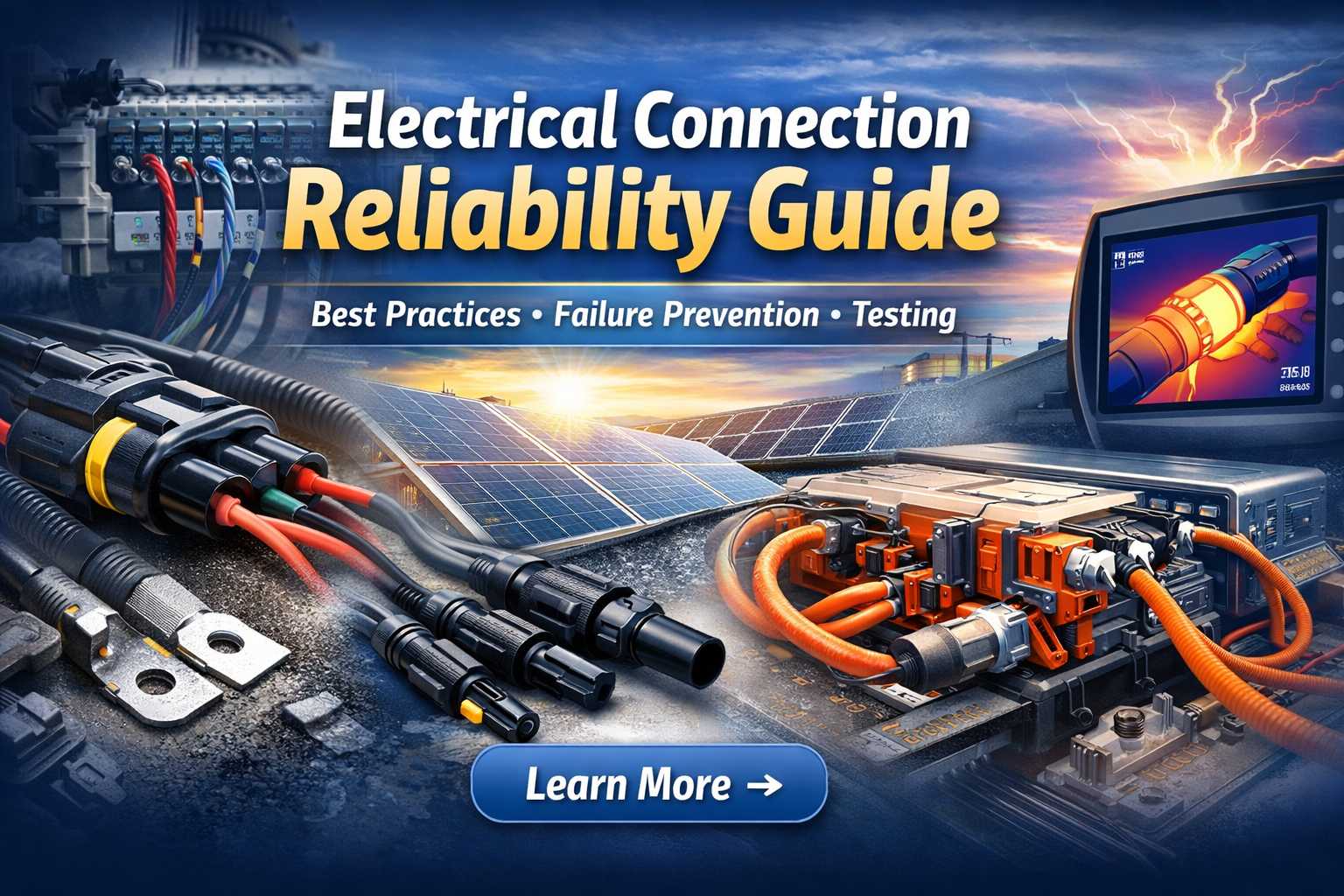
Electrical connection reliability is one of the most critical factors in any electrical system. Whether in automotive wiring harnesses, industrial equipment, or solar power systems, poor connections can lead to overheating, voltage drops, equipment failure, and even fire hazards.
A reliable electrical connection ensures stable conductivity, mechanical strength, and long-term durability, even under harsh operating conditions such as vibration, temperature fluctuations, and moisture exposure.
In this guide, we’ll break down the key factors, best practices, and proven methods to improve electrical connection reliability—helping engineers and buyers make smarter decisions.
Why Electrical Connection Reliability Matters
Reliable connections are not just a technical requirement—they directly impact safety, efficiency, and cost.
Safety
Loose or corroded connections can generate heat, increasing the risk of electrical fires and system failures.
Efficiency
High-resistance connections lead to energy loss, reducing overall system performance.
Maintenance Costs
Unreliable connections result in frequent repairs, downtime, and higher operational costs.
System Lifespan
Stable connections extend the lifespan of electrical systems, especially in demanding environments.
Key Factors Affecting Electrical Connection Reliability
1. Contact Resistance
Contact resistance determines how efficiently electricity flows through a connection.
Causes of high resistance:
- Poor crimping
- Oxidation or contamination
- Loose connections
👉 Lower resistance = higher efficiency and less heat generation
2. Mechanical Stability
Electrical connections must withstand:
- Vibration (automotive, machinery)
- Movement and mechanical stress
Using proper terminals and strain relief helps maintain connection integrity.
3. Material Selection
Material choice directly affects conductivity and durability.
Common materials:
- Copper → excellent conductivity
- Brass → good strength and durability
- Aluminum → lightweight, cost-effective
Plating options:
- Tin plating → corrosion resistance
- Nickel plating → high temperature performance
4. Environmental Conditions
Electrical connections often operate in harsh environments:
- High temperatures
- Humidity and water exposure
- Dust and chemicals
Proper insulation and sealing are essential to prevent failure.
5. Installation Quality
Even the best components will fail if installed incorrectly.
Key issues include:
- Improper crimping
- Incorrect tool usage
- Lack of quality control
Common Types of Electrical Connections
Crimped Connections
The most widely used method in modern electrical systems.
Advantages:
- Gas-tight connection
- High reliability
- Suitable for mass production
Soldered Connections
Provides strong electrical conductivity but has limitations.
Pros:
- Low resistance
- Permanent bond
Cons:
- Brittle under vibration
- Not ideal for automotive environments
Bolted Connections
Used in high-current applications such as busbars.
Key requirement:
- Proper torque control to maintain contact pressure
Spring/Clamp Connections
Common in terminal blocks and control systems.
Advantages:
- Easy installation
- Low maintenance
Best Practices for Reliable Electrical Connections
Choose the Right Terminal
- Match wire gauge and current rating
- Select appropriate terminal type for the application
Use Proper Crimping Techniques
- Use calibrated crimping tools
- Ensure consistent crimp quality
- Avoid under-crimping or over-crimping
Prepare Contact Surfaces
- Clean surfaces before connection
- Remove oxidation or contaminants
Protect Against the Environment
- Use heat shrink tubing
- Apply waterproof connectors
- Ensure proper sealing (IP-rated solutions)
Implement Strain Relief
- Prevent cable movement at connection points
- Reduce mechanical stress
Common Failure Modes and Prevention
Loose Connections
Cause: Poor installation or vibration
Solution: Use locking terminals and proper torque
Corrosion and Oxidation
Cause: Moisture and environmental exposure
Solution: Use plated terminals and sealing
Overheating
Cause: High resistance or overload
Solution: Ensure proper sizing and material selection
Vibration Damage
Cause: Mechanical movement
Solution: Use secure crimping and locking designs
Testing and Inspection Methods
Visual Inspection
Check for:
- Deformed terminals
- Improper crimping
Pull Test
Ensures mechanical strength of the connection
Resistance Testing
Measures electrical performance and identifies weak connections
Thermal Imaging
Detects hotspots before failures occur
Standards and Certifications
Reliable electrical connections must meet industry standards:
- IPC/WHMA-A-620 (wire harness quality)
- UL certification (safety compliance)
- IEC standards (international performance requirements)
These standards ensure consistency, safety, and durability.
Applications Requiring High Reliability
Not all electrical connections are created equal. In high-demand industries, connection failure is not just inconvenient—it can lead to serious safety risks, system downtime, and costly damage. Below are the key application scenarios where electrical connection reliability is mission-critical, along with the specific technical requirements for each.
Automotive Wiring Systems

Automotive environments are among the most challenging for electrical connections due to:
- Constant vibration and mechanical shock
- Wide temperature ranges (-40°C to 125°C or higher)
- Exposure to oil, moisture, and road contaminants
Key reliability requirements:
- Vibration-resistant crimp terminals
- Secure locking connector designs
- Waterproof sealing (IP67/IP68)
- High-temperature resistant materials
👉 In modern vehicles, especially EVs, even a minor connection failure can affect critical systems such as battery management, sensors, and safety electronics.
Industrial Equipment

Industrial systems operate continuously and often under harsh conditions, including:
- High current loads
- Dust, oil, and chemical exposure
- Continuous vibration from machinery
Key reliability requirements:
- High-conductivity terminals for stable current flow
- Corrosion-resistant plating
- Strong mechanical fixation (crimp or bolted connections)
- Easy maintenance and inspection
👉 Unreliable connections in industrial equipment can lead to unexpected downtime, production losses, and safety hazards.
Solar Power Systems

Solar installations are exposed to outdoor environments for 20+ years, making reliability essential.
Challenges include:
- UV exposure
- Rain, humidity, and temperature cycles
- Long-term oxidation and corrosion
Key reliability requirements:
- UV-resistant and weatherproof connectors
- Low-resistance terminals to minimize energy loss
- Long lifespan materials and plating
- Secure locking to prevent disconnection
👉 Poor connections in solar systems can cause power loss, overheating, and even fire risks, directly impacting ROI.
Energy Storage & EV Systems

Energy storage and electric vehicles require handling high voltage and high current, making connection reliability absolutely critical.
Key challenges:
- High thermal loads
- High current density
- Safety-critical operation
Key reliability requirements:
- Low contact resistance to reduce heat generation
- High-current terminal design
- Advanced insulation and protection
- Precision crimping or bolted connections
👉 In EV and battery systems, connection failure can lead to thermal runaway, system shutdown, or severe safety incidents.
Aerospace and Rail Systems

These systems demand ultra-high reliability due to safety-critical operations.
Operating conditions:
- Extreme temperatures and pressure variations
- Continuous vibration and movement
- Zero tolerance for failure
Key reliability requirements:
- Redundant connection systems
- High-precision manufacturing
- Strict compliance with international standards
- Long lifecycle performance
👉 Even a minor electrical failure can result in catastrophic consequences, making reliability non-negotiable.
Key Takeaway
Across all these industries, the core principle remains the same:
The harsher the environment and the higher the electrical load, the greater the demand for reliable electrical connections.
This is why choosing the right terminals, materials, and connection methods is not just a design decision—it is a critical factor in system safety, efficiency, and longevity.
How to Choose the Right Electrical Connection Solution
When selecting a connection method, consider:
- Current and voltage requirements
- Environmental conditions
- Installation complexity
- Maintenance needs
- Cost vs long-term reliability
A balanced approach ensures optimal performance and durability.
Future Trends in Electrical Connection Reliability
- Smart connectors with real-time monitoring
- Advanced plating materials for longer lifespan
- Automated crimping for consistent quality
- High-voltage solutions for EV and renewable energy
Conclusion
Electrical connection reliability is essential for ensuring safe, efficient, and long-lasting system performance. From material selection and crimping quality to environmental protection, every detail plays a role in preventing failures and optimizing efficiency.
At Qianwei Precision, we specialize in manufacturing high-quality electrical terminals and connection solutions for automotive, industrial, and renewable energy applications. Our products are designed to deliver low resistance, high durability, and consistent performance in demanding environments.
With advanced production capabilities and strict quality control, Qianwei Precision helps global customers achieve reliable electrical connections and long-term system stability.
👉 Looking for reliable terminals or custom solutions? Contact Qianwei Precision today to get expert support and fast quotations.
FAQs
What causes electrical connection failure?
Common causes include loose connections, corrosion, poor crimping, and environmental exposure.
Which is more reliable: crimping or soldering?
Crimping is generally more reliable in high-vibration environments, while soldering is suitable for stable applications.
How can I improve electrical connection reliability?
Use high-quality terminals, proper crimping tools, correct materials, and environmental protection methods.

