

Introduction
If you work with industrial equipment, you already know one thing—a weak electrical connection can shut everything down.
It doesn’t matter whether it’s a manufacturing line, automation system, or power distribution setup. If your terminals fail, you’re dealing with:
- Downtime
- Safety risks
- Costly repairs
That’s why industrial electrical terminals are not just small components—they’re critical to system reliability.
In this guide, we’ll walk you through everything you need to know, including:
- Types of industrial terminals
- Materials and performance factors
- How to choose the right one
- How to avoid common failures
Quick Answer: What Are Industrial Electrical Terminals?
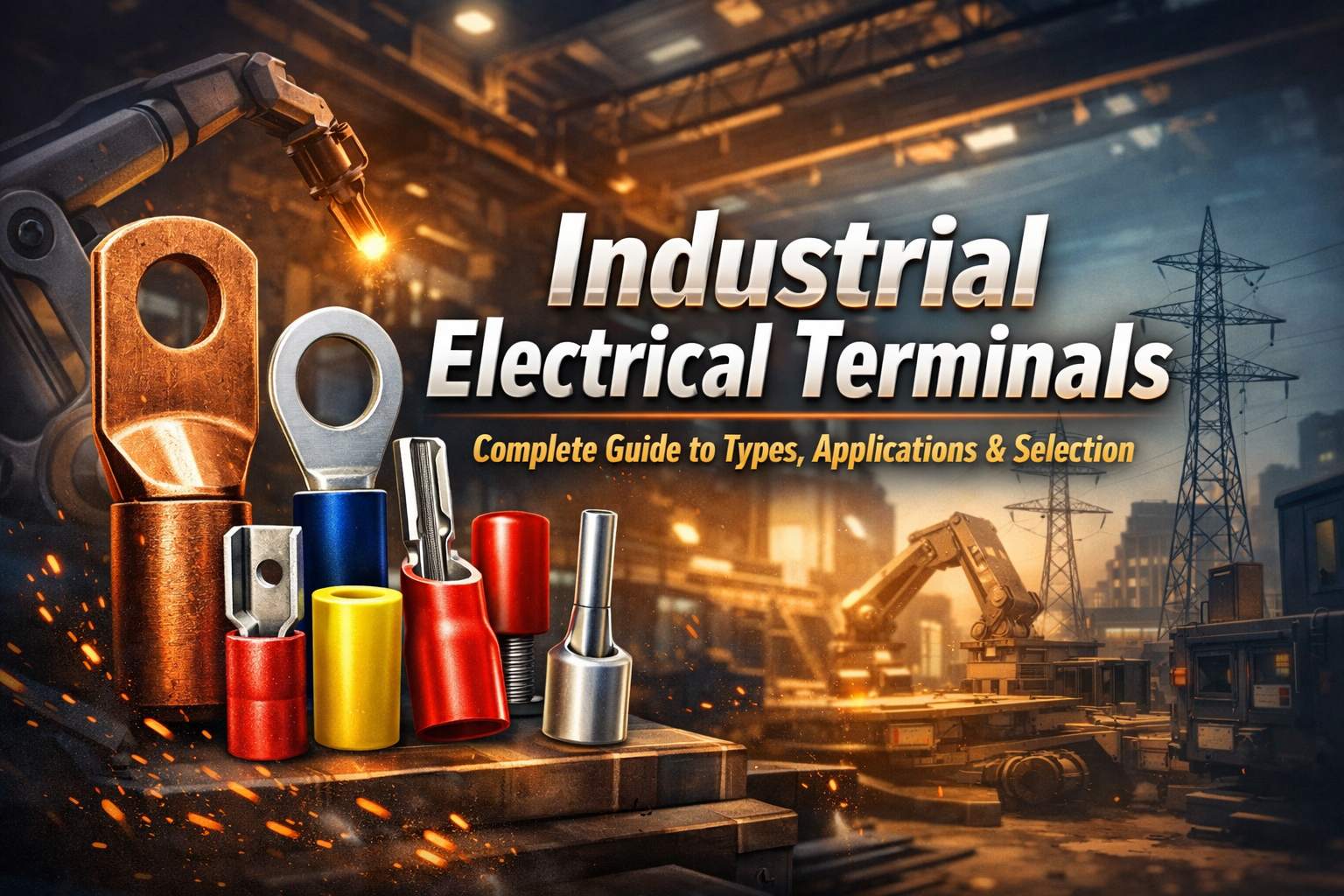
Industrial electrical terminals are connectors used to securely join wires to electrical systems, ensuring stable current flow and mechanical strength. They are designed to handle high current, harsh environments, and demanding industrial conditions.
What Makes Industrial Electrical Terminals Different
Not all terminals are created equal.
Industrial environments are much tougher than residential or light commercial setups. That means terminals must handle:
1. Higher Current and Voltage
Industrial systems often operate under heavy electrical loads.
2. Harsh Environments
Heat, dust, moisture, chemicals—you name it.
3. Constant Vibration
Especially in machinery and transport systems.
4. Long-Term Reliability
Industrial terminals are expected to last years, not months.
👉 In short: industrial terminals are built for durability, stability, and performance under stress.
Types of Industrial Electrical Terminals
Let’s break down the most commonly used types.
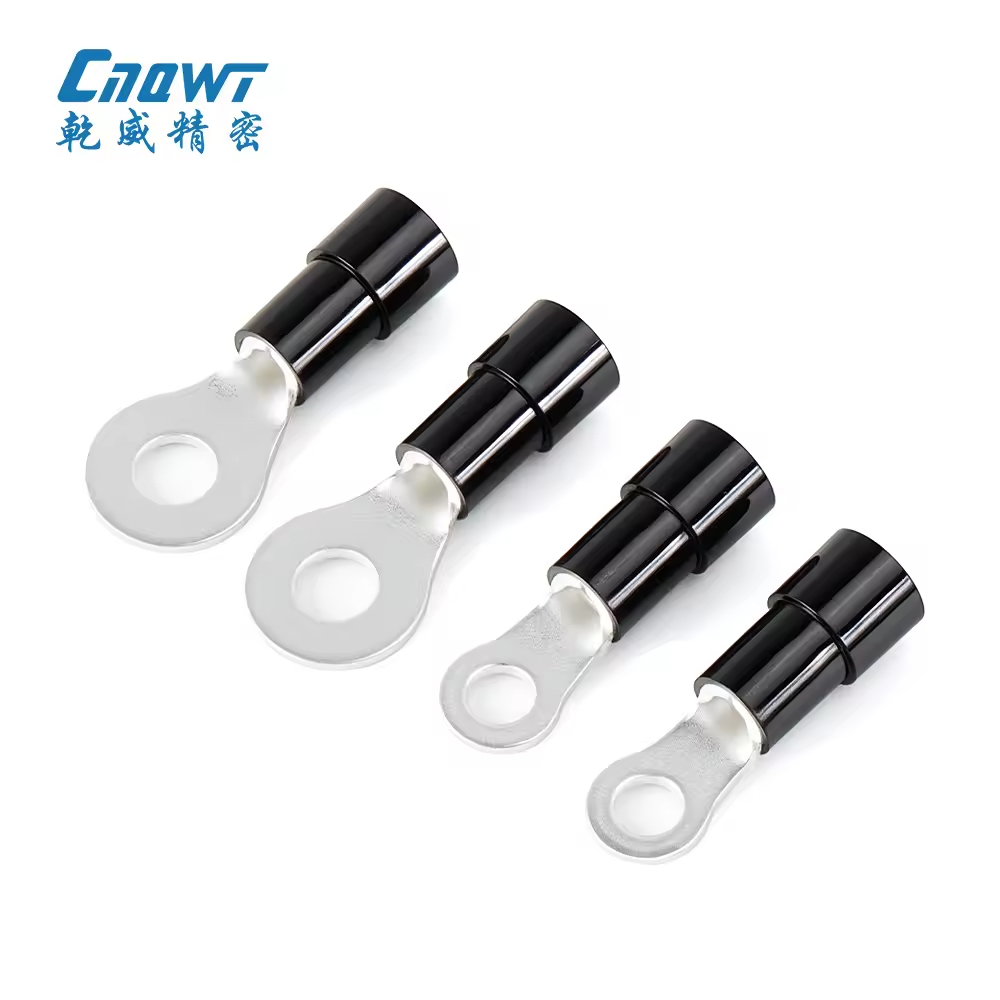
Ring Terminals
- Provide secure, fixed connections
- Ideal for high-vibration environments
👉 Related: Ring Terminals Guide
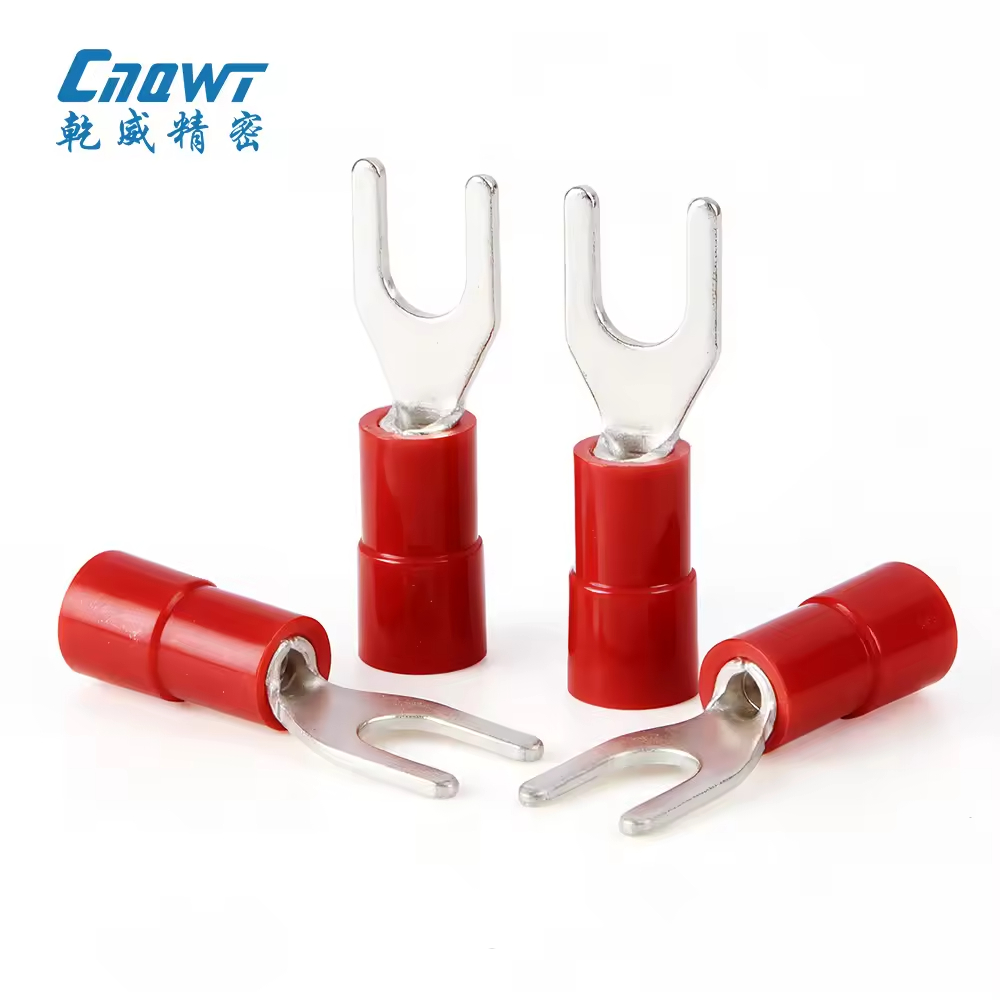
Spade Terminals
- Easier to install and remove
- Good for maintenance-heavy systems
 Butt Connectors
- Used for wire-to-wire connections
- Common in cable extensions
Pin Terminals
- Compact and precise
- Used in control systems
Blade Terminals
- Quick-connect design
- Popular in panels and appliances
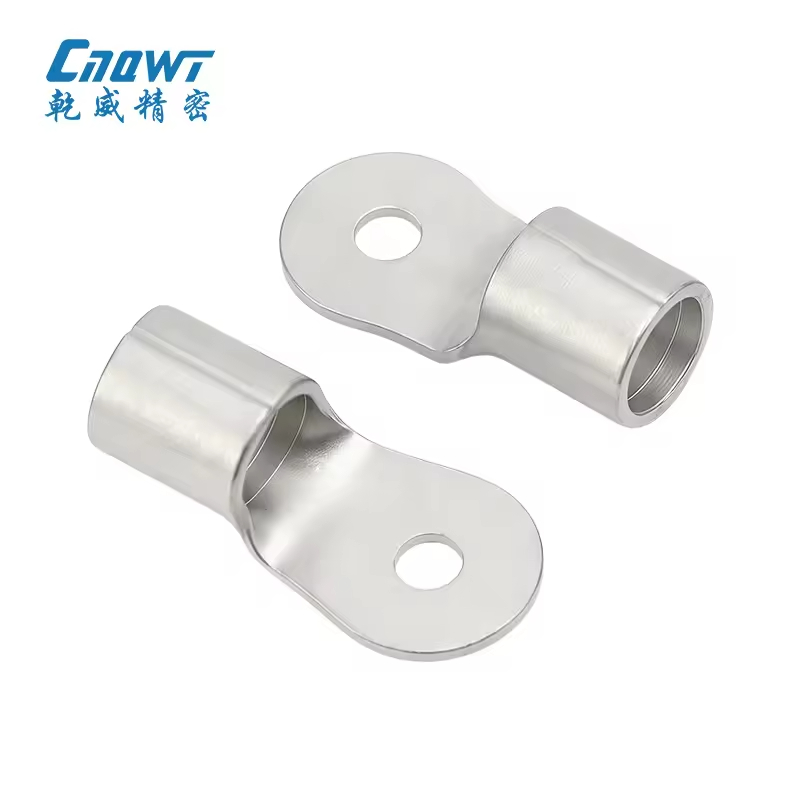
Heavy Duty Cable Lugs
- Designed for high current
- Used in power distribution and battery systems
👉 Related: Battery Cable Lugs Guide
 Materials Used in Industrial Terminals
Material selection is one of the biggest factors in performance.
Copper Terminals
- Excellent conductivity
- Widely used
Tinned Copper Terminals
- Copper coated with tin
- Better corrosion resistance
- Ideal for outdoor or humid environments
👉 Related: Copper vs Tinned Copper Terminals
Aluminum Terminals
- Lightweight
- Lower cost
- More prone to oxidation
Plating Options
- Tin → corrosion resistance
- Nickel → high temperature resistance
- Silver → high conductivity
👉 Related: Corrosion Resistance in Electrical Terminals
Key Performance Factors to Consider
Choosing the right terminal isn’t just about type—it’s about performance.
Electrical Conductivity
Better conductivity = less heat = better efficiency
Mechanical Strength
Important for vibration and torque resistance
Temperature Resistance
Industrial systems often run hot
Corrosion Resistance
Especially critical for outdoor or chemical environments
Vibration Resistance
Loose connections = failure
Industrial Applications of Electrical Terminals
Industrial terminals are used everywhere. Here are the key sectors:
Manufacturing Equipment
Used in machines, conveyors, and control systems
Automation Systems
Robotics and PLC systems require precise connections
Power Distribution
Switchgear, panels, and transformers
Renewable Energy Systems
Solar and battery storage systems
Heavy Machinery
Construction, mining, and transportation equipment
👉 Each application has different requirements, so choosing the right terminal is critical.
How to Choose the Right Industrial Terminal
Quick Answer: How to choose the right terminal? (Featured Snippet)
To choose the right industrial electrical terminal, consider current rating, wire size, environmental conditions, material type, and installation method. Matching these factors ensures safe, reliable, and long-lasting connections.
Here’s a simple checklist:
1. Check Current Rating
Make sure the terminal can handle the load
2. Match Wire Size
Incorrect sizing leads to weak connections
3. Consider Environment
- Outdoor → corrosion-resistant
- High heat → plated terminals
4. Choose Installation Method
- Crimping (most common)
- Soldering (special cases)
👉 Related: Crimp vs Solder
5. Verify Standards
Look for UL, IEC compliance
Common Problems and Failure Modes
Even good systems can fail if terminals are not properly selected or installed.
Loose Connections
Cause overheating and arcing
Overheating
Often due to poor conductivity or bad crimping
Corrosion
Reduces conductivity over time
Poor Crimping
Creates weak electrical contact
👉 Related: How to Crimp Electrical Terminals
Material Mismatch
Leads to galvanic corrosion
How to Prevent Terminal Failures
Quick Answer: How to prevent terminal failure?
Terminal failures can be prevented by using high-quality materials, proper crimping techniques, corrosion-resistant coatings, and regular inspection. Correct installation and material selection are the most effective ways to ensure long-term reliability.
Here’s how to do it right:
Use the Right Tools
Always use professional crimping tools
Select High-Quality Materials
Cheap terminals fail faster
Apply Protective Coatings
Prevents corrosion
Inspect Regularly
Catch problems early
Crimping vs Soldering in Industrial Applications
This is a common question.
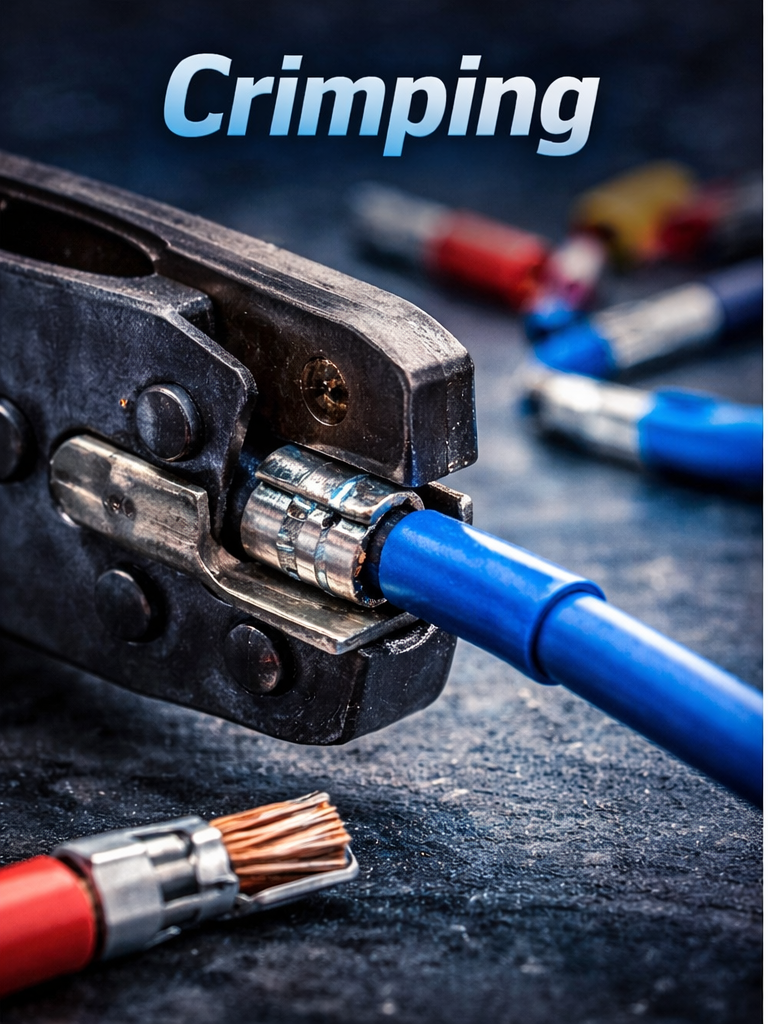
Crimping
- Fast
- Reliable
- Industry standard
 Soldering
- Strong but less flexible
- Not ideal for vibration
👉 In most industrial cases, crimping is the better choice.
Standards and Certifications
Industrial terminals must meet strict standards:
- UL (safety compliance)
- IEC (international standards)
- RoHS (environmental compliance)
- ISO (quality systems)
👉 These ensure safety, performance, and global acceptance.
Future Trends in Industrial Electrical Terminals
The industry is evolving fast.
High Current Applications
Driven by EV and energy storage
Automation Growth
More demand for reliable connections
Miniaturization
Smaller but more powerful terminals
Sustainability
Eco-friendly materials and coatings
Why Choose Qianwei Precision
At Qianwei Precision, we focus on what matters most—reliable connections.
We offer:
- High-quality copper and tinned copper terminals
- Advanced manufacturing (stamping, molding, assembly)
- Strong OEM/ODM capabilities
- Proven experience with global brands
Whether you need standard products or custom solutions, we help you build systems that last.
👉 Contact us today for fast quotations and expert support.
Conclusion
Industrial electrical terminals may seem small, but they play a huge role in system performance.
By focusing on:
- The right type
- The right material
- Proper installation
You can dramatically improve reliability and reduce failures.
👉 If you’re looking for high-performance industrial terminals,
Qianwei Precision is ready to support your next project.
FAQ
What are industrial electrical terminals used for?
They connect wires to electrical systems in industrial environments.
What is the best material for industrial terminals?
Tinned copper is widely preferred for its conductivity and corrosion resistance.
Are crimped connections reliable?
Yes, when done correctly, they are highly reliable.
What causes terminal failure?
Poor installation, corrosion, overheating, and low-quality materials.
How do I prevent corrosion?
Use proper materials, coatings, and sealing techniques.
What are high current terminals?
Terminals designed to handle large electrical loads safely.
How often should terminals be checked?
Regular inspections are recommended in industrial environments.

