

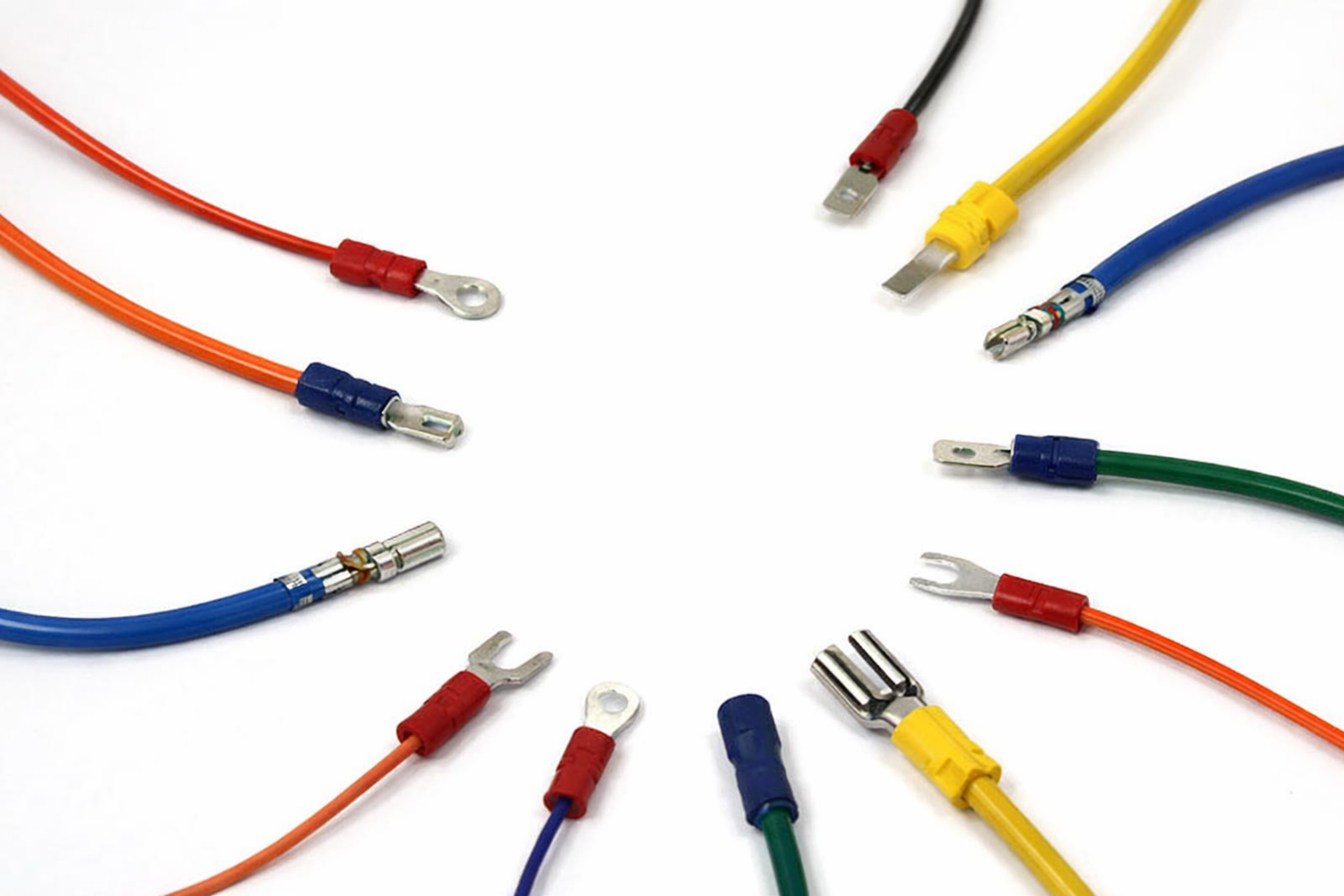
Terminal pull force refers to the minimum force required to separate a crimped terminal from a wire. It is one of the most critical indicators of crimp quality and connection reliability in electrical systems. Insufficient pull force can lead to loose connections, electrical failures, or even safety risks in demanding applications such as automotive wiring harnesses and industrial equipment.
In this guide, we explain terminal pull force requirements in detail, including industry standards, testing methods, common failure causes, and practical ways to improve crimp performance.
What Is Terminal Pull Force?
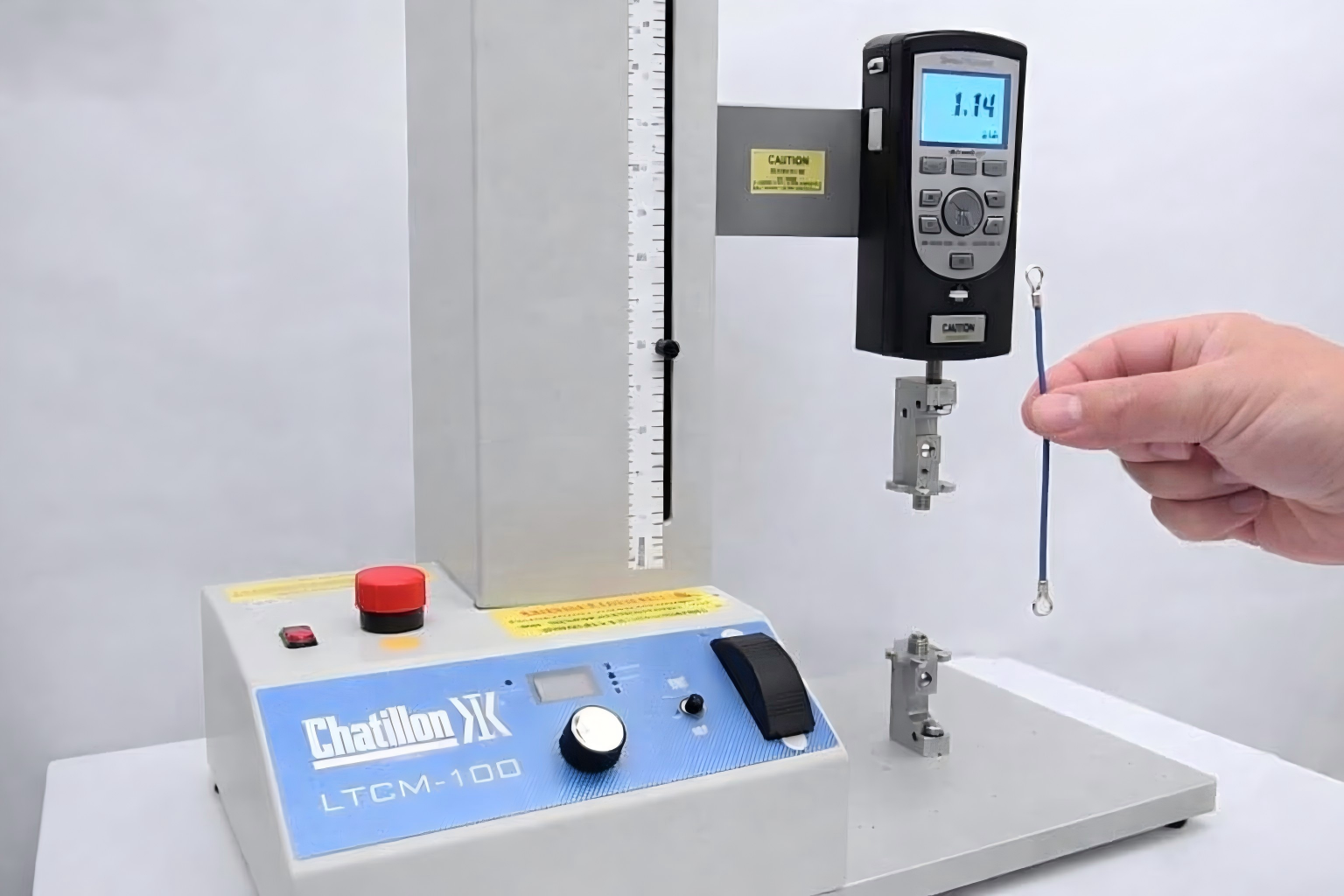
Terminal pull force (also known as crimp pull force or wire pull force) is defined as:
The minimum axial force required to pull a wire out of a crimped terminal under controlled conditions.
It evaluates the mechanical strength of the crimp connection between the conductor and the terminal barrel.
A proper crimp creates:
A strong mechanical bond
A stable electrical connection
Resistance to vibration and thermal cycling
Pull force is not just about strength—it reflects whether the crimping process has been executed correctly.
Why Terminal Pull Force Matters
1. Electrical Reliability
Low pull force often indicates poor conductor compression, which can lead to:
Increased electrical resistance
Heat generation
Signal instability
2. Mechanical Integrity
In applications exposed to vibration (e.g., automotive or machinery), insufficient pull force can result in:
Wire detachment
Intermittent failures
System downtime
3. Compliance with Industry Standards
Many industries require pull force testing to meet certification standards such as:
IPC/WHMA-A-620
UL requirements
Automotive OEM specifications
In practice, insufficient pull force is one of the most common root causes of wire harness failure.
Terminal Pull Force Requirements by Standards
Different standards define minimum acceptable pull force values based on wire size (AWG) and application.
Common Industry Standards
IPC/WHMA-A-620 – Widely used in wire harness manufacturing
UL Standards – Safety compliance for electrical components
OEM Specifications – Automotive and industrial custom requirements
Typical Pull Force Requirements (Reference Table)
| Wire Size (AWG) | Cross Section (mm²) | Minimum Pull Force (N) |
| 30 | 0.05 | 8–10 N |
| 28 | 0.08 | 10–15 N |
| 26 | 0.13 | 15–20 N |
| 24 | 0.20 | 20–30 N |
| 22 | 0.33 | 30–50 N |
| 20 | 0.52 | 50–70 N |
| 18 | 0.82 | 70–100 N |
| 16 | 1.31 | 100–150 N |
Note: Actual requirements may vary depending on terminal design, material, and application standards.
Key Insight
Pull force requirements are not arbitrary—they are directly tied to:
Conductor cross-sectional area
Terminal barrel design
Crimping process quality
Terminal Pull Force Testing Methods
Pull force testing must be conducted under controlled and standardized conditions to ensure reliable results.
1. Testing Equipment
A pull force tester (tensile testing machine) is used, typically featuring:
Digital force measurement
Adjustable pulling speed
Fixture for wire and terminal
2. Standard Test Procedure
A typical pull test follows these steps:
Prepare the sample
Strip wire to correct length
Crimp terminal using specified tooling
Secure the terminal
Fix the terminal in the tester clamp
Clamp the wire
Ensure axial alignment to avoid side loading
Apply tensile force
Pull at a constant speed (commonly 25 mm/min)
Record peak force
The maximum force before failure is recorded
3. Acceptance Criteria
The test passes if:
The measured pull force meets or exceeds the minimum requirement
The failure mode is acceptable (e.g., wire break rather than pull-out)
4. Failure Modes
Common failure outcomes include:
Wire pulls out of terminal (FAIL)
Conductor breaks outside crimp (PASS)
Terminal deformation (investigation required)
Common Causes of Pull Force Failure
Understanding failure mechanisms is critical for improving product reliability.
1. Incorrect Crimp Height
Cause:
Crimp height too large or too small
Effect:
Loose crimp → low pull force
Over-crimp → conductor damage
2. Improper Terminal Selection
Cause:
Mismatch between terminal size and wire gauge
Effect:
Insufficient conductor compression
Weak mechanical retention
3. Poor Wire Stripping
Cause:
Damaged strands
Uneven stripping length
Effect:
Reduced effective cross-section
Lower pull force
4. Material Quality Issues
Cause:
Low-quality terminals
Inconsistent plating or hardness
Effect:
Reduced crimp stability
Variable test results
5. Crimping Tool or Process Issues
Cause:
Worn tooling
Incorrect machine settings
Effect:
Inconsistent crimp geometry
High defect rates
How to Improve Terminal Pull Force
Improving pull force requires a combination of design optimization and process control.
1. Optimize Crimp Height
Crimp height directly influences:
Compression ratio
Mechanical retention
Best practice:
Follow manufacturer specifications
Verify with cross-section analysis
2. Use High-Quality Terminals
Premium terminals offer:
Consistent material properties
Optimized barrel design
Better plating adhesion
3. Control Crimping Process
Key controls include:
Regular calibration of crimping machines
Tooling maintenance
Process validation
4. Implement Pull Force Testing
Perform routine testing (sampling or 100% depending on application)
Establish SPC (Statistical Process Control)
5. Train Operators
Human factors matter:
Proper handling
Correct setup
Visual inspection skills
How We Ensure Reliable Pull Force Performance
As a professional terminal manufacturer, we integrate pull force control into every stage of production.
1. Engineering-Driven Design
Terminals designed for optimal crimp geometry
Compatibility with various wire sizes and applications
2. Precision Manufacturing
Tight tolerance control
Consistent material selection
Advanced stamping and forming processes
3. Strict Quality Control
Pull force testing aligned with IPC/WHMA-A-620
In-process inspections
Batch traceability
4. In-House Testing Capabilities
Dedicated pull force testing equipment
Cross-section analysis
Crimp height verification
5. Custom Solutions
We support:
Custom terminal design
Application-specific requirements
Engineering collaboration
Our goal is not just to meet pull force requirements—but to ensure long-term reliability in real-world applications.
Conclusion
Terminal pull force is a fundamental parameter in ensuring the reliability and safety of electrical connections. By understanding industry standards, applying proper testing methods, and controlling the crimping process, manufacturers and engineers can significantly reduce failure risks.
For applications where performance cannot be compromised, choosing the right terminal supplier is just as important as meeting the minimum pull force requirement.
If you are looking for high-quality terminals with verified pull force performance and custom engineering support, contact our team today to discuss your project.
FAQs
1. What is a good pull force for crimped terminals?
A good pull force depends on the wire size and standard used. For example, a 20 AWG wire typically requires at least 50–70 N under IPC guidelines.
2. How is pull force tested?
Pull force is measured using a tensile tester that applies axial force to the crimped connection until failure occurs.
3. What happens if pull force is too low?
Low pull force can lead to:
Wire detachment
Electrical failure
Safety risks in critical systems
4. What standards define pull force requirements?
Common standards include:
IPC/WHMA-A-620
UL standards
OEM-specific requirements
5. Is higher pull force always better?
Not necessarily. Excessive crimping can damage the conductor, leading to reduced electrical performance or premature failure.
6. What is the relationship between crimp height and pull force?
Crimp height directly affects compression:
Too high → weak crimp
Too low → damaged conductor
Optimal crimp height ensures maximum pull force without compromising conductor integrity.

