

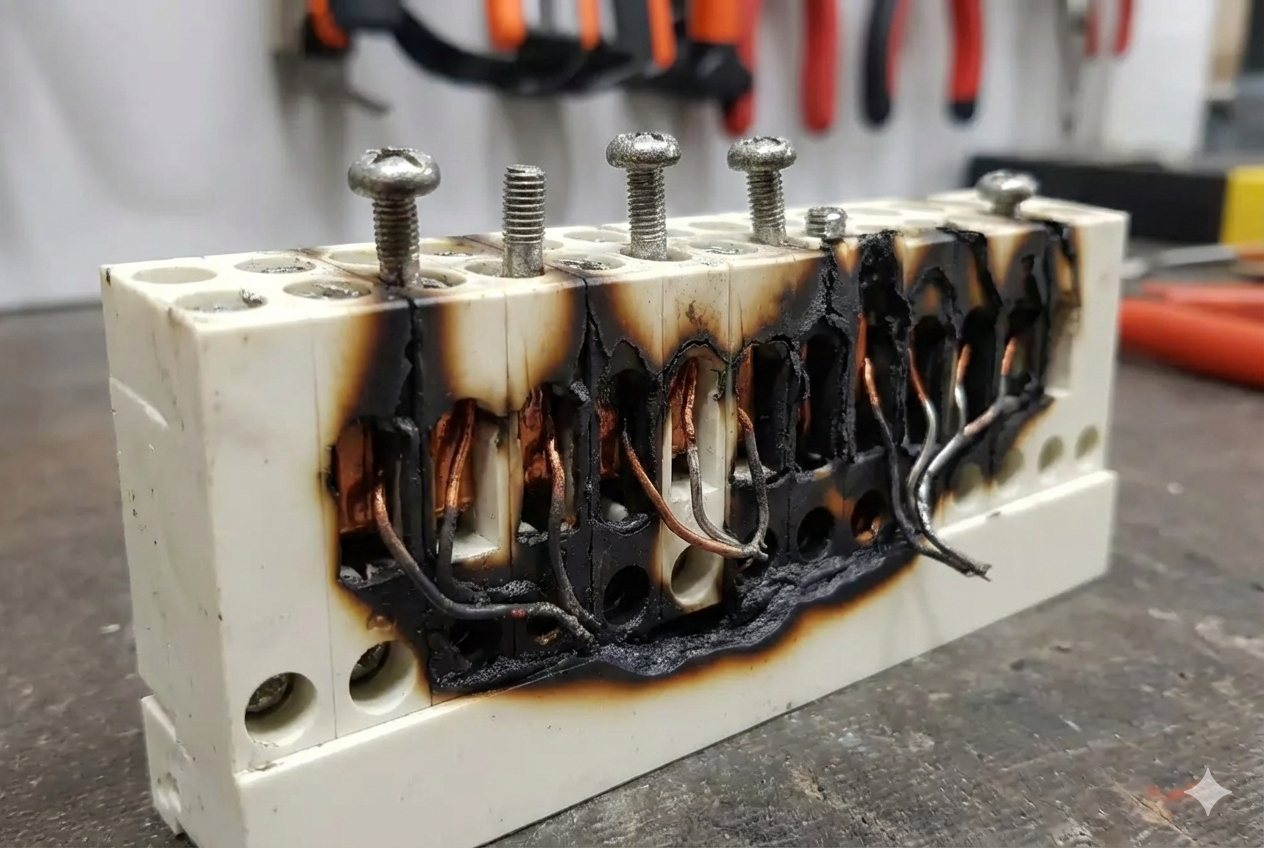
Every electrical system depends on reliable connections. Whether it’s an electric vehicle, an industrial control cabinet, a medical device, or a household appliance, electricity must flow safely and consistently from one component to another. Even the most advanced equipment can experience failures if the electrical connections are unstable.
Electrical terminals are designed to create secure mechanical and electrical connections between wires and devices. Although they are relatively small components, they play a major role in reducing electrical resistance, preventing overheating, resisting vibration, and maintaining long-term system reliability.
In this article, we’ll explain how electrical terminals improve safety and reliability, the factors that influence their performance, and what to consider when choosing high-quality terminals for your application.
What Are Electrical Terminals?
Electrical terminals are metal components used to connect wires to electrical equipment or to join different electrical conductors together. Their primary function is to provide a secure, low-resistance path for electrical current while ensuring the connection remains stable during operation.
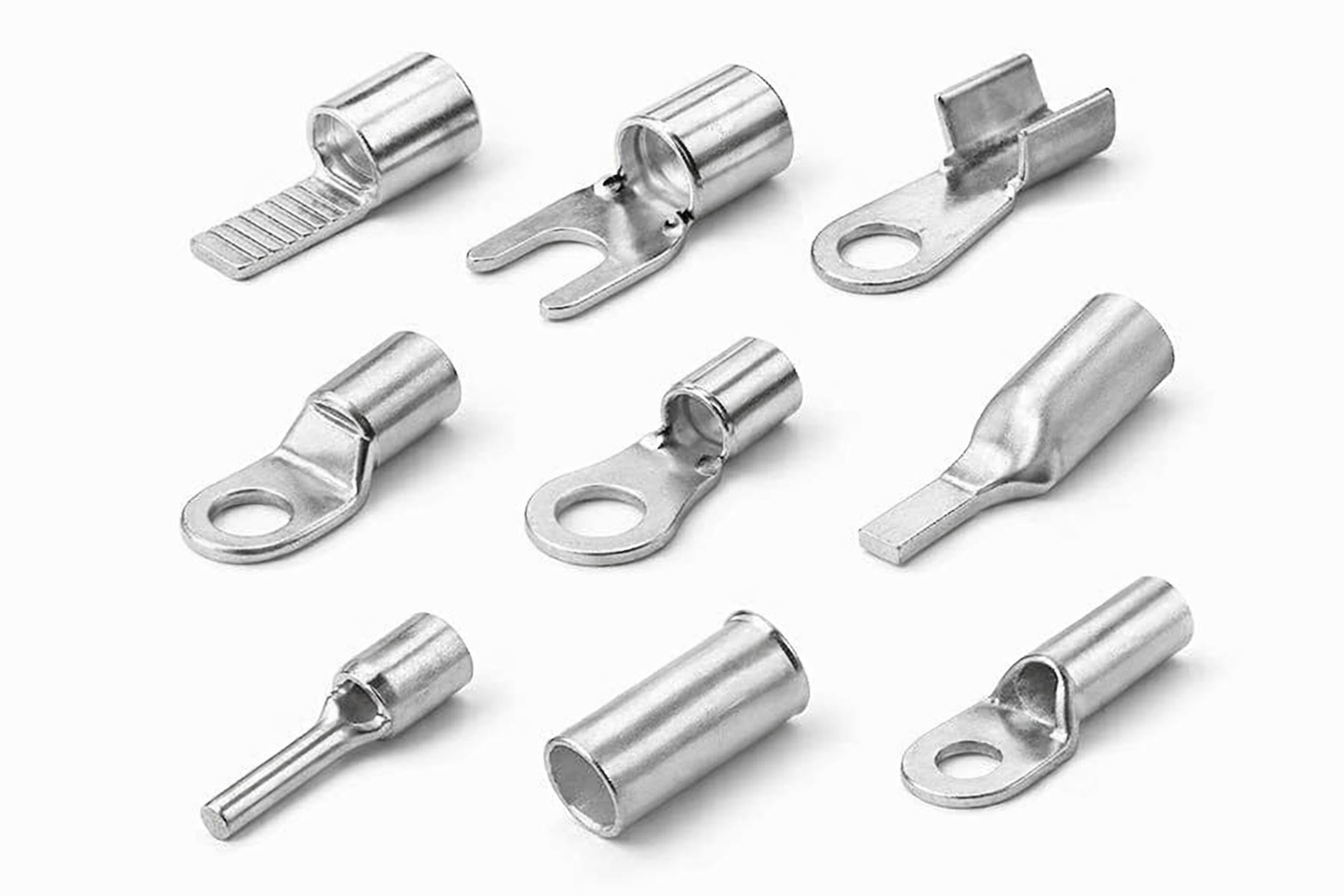
Unlike simply twisting wires together, properly designed terminals create a standardized connection that improves both electrical performance and mechanical strength. Most terminals are attached to wires through crimping, although some applications use soldering or screw connections.
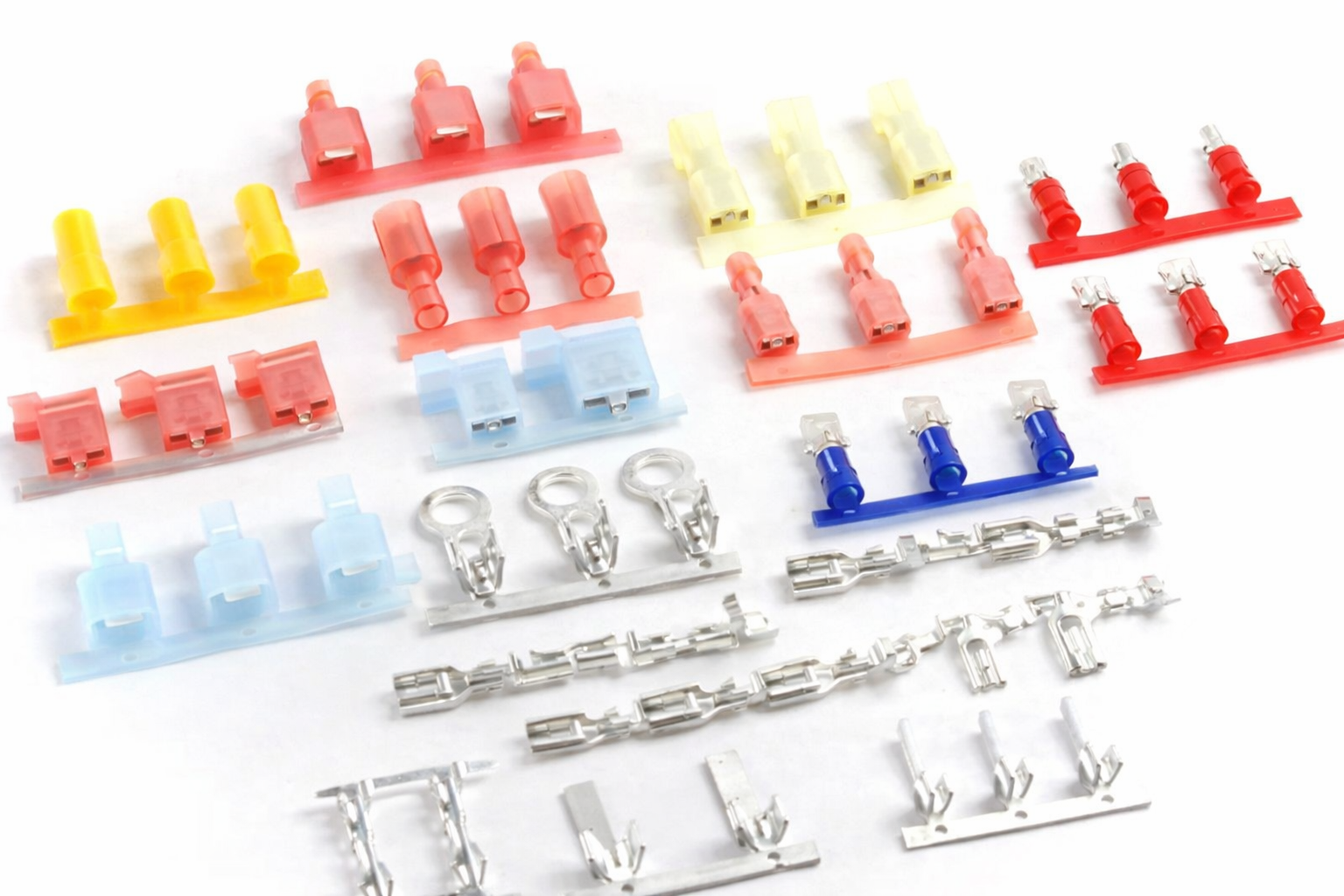
Common types of electrical terminals include:
- Ring terminals
- Spade terminals
- Pin terminals
- Blade terminals
- Quick-disconnect terminals
- Crimp terminals
- Automotive terminals
Each type is designed for specific installation methods and operating environments, but they all share the same goal: creating safe and reliable electrical connections.
How Electrical Terminals Improve Safety
Reduce Contact Resistance
One of the most important functions of an electrical terminal is reducing contact resistance.
Whenever electricity passes through a connection point, some resistance is generated. If the resistance is too high, energy is converted into heat instead of being efficiently transferred through the circuit. Over time, excessive heat can damage wires, insulation, and surrounding components.
High-quality terminals are manufactured with precise dimensions and adequate contact force to maximize the contact area between conductors. When combined with proper crimping, they create a stable electrical connection that minimizes resistance and allows current to flow efficiently.
Lower contact resistance offers several benefits:
- Reduced energy loss
- Improved electrical efficiency
- Lower operating temperatures
- More stable current transmission
- Better overall system performance
Even a small improvement in contact quality can significantly increase the reliability of an electrical system over its service life.
Prevent Overheating and Fire Risks
Loose or poorly connected terminals are among the most common causes of overheating in electrical systems.
As resistance increases, heat builds up around the connection point. Continuous overheating may soften insulation, deform plastic housings, or even create electrical arcs. In severe cases, these conditions can lead to equipment failure or electrical fires.
Quality electrical terminals help prevent these problems by maintaining consistent contact pressure and stable current flow.
Several design features contribute to improved safety, including:
- Accurate crimp geometry
- Strong conductor retention
- Reliable locking structures
- Stable contact force
- Proper current ratings
Selecting the correct terminal for the application is just as important as choosing the correct wire size. An undersized terminal carrying excessive current will eventually overheat regardless of installation quality.
Improve Mechanical Stability
Electrical systems are often exposed to vibration, movement, and mechanical stress.
Automotive wiring harnesses, industrial machinery, construction equipment, and renewable energy systems all operate in environments where connectors experience continuous vibration. If a terminal loosens over time, intermittent electrical failures can occur, leading to costly maintenance and unexpected downtime.
Well-designed electrical terminals provide excellent mechanical retention through secure locking mechanisms and optimized crimp structures.
This helps prevent:
- Loose connections
- Wire pull-out
- Connector disengagement
- Signal interruption
- Unexpected equipment shutdown
For applications that operate under constant vibration, terminal retention force is a critical design consideration.
Resist Corrosion in Harsh Environments
Electrical terminals frequently operate in challenging environments where moisture, humidity, chemicals, dust, or salt spray can accelerate corrosion.
Corrosion increases contact resistance and gradually weakens electrical performance. Eventually, the connection may become unreliable or fail completely.
To improve corrosion resistance, manufacturers apply protective surface plating such as:
- Tin plating
- Nickel plating
- Silver plating
- Gold plating
Each plating material offers different advantages depending on the operating environment. Tin plating is widely used for general industrial and automotive applications because it provides excellent solderability and corrosion resistance at a competitive cost. Gold plating is commonly selected for high-precision electronic applications that require exceptional signal stability.
Proper material selection and surface treatment significantly extend the service life of electrical terminals while reducing maintenance requirements.
How Electrical Terminals Improve Reliability
Ensure Stable Electrical Performance
Reliable electrical systems depend on consistent current transmission.
High-quality terminals maintain stable electrical conductivity throughout their operating life, minimizing voltage drops and ensuring electrical signals are transmitted accurately.
This is especially important in applications such as:
- Electric vehicles
- Industrial automation
- Communication equipment
- Medical electronics
- Battery management systems
Stable electrical performance not only improves efficiency but also reduces the likelihood of intermittent faults that are often difficult to diagnose.
Extend Equipment Lifespan
Electrical failures often begin with small connection problems.
Loose terminals, excessive resistance, and corrosion gradually increase stress on surrounding components, including wires, connectors, switches, relays, and circuit boards.
Using reliable electrical terminals helps reduce unnecessary wear by maintaining secure electrical and mechanical connections over many years of operation.
As a result, manufacturers and equipment operators benefit from:
- Lower maintenance costs
- Fewer unexpected failures
- Longer service life
- Improved equipment availability
- Reduced replacement frequency
Although terminals represent only a small portion of an electrical system, their quality has a direct impact on the longevity of the entire assembly.
Perform Reliably in Harsh Operating Conditions
Many industries require electrical components that can operate under extreme environmental conditions.
Electrical terminals may be exposed to:
- High temperatures
- Low temperatures
- High humidity
- Dust
- Oil contamination
- Continuous vibration
- Mechanical shock
To maintain reliable performance, terminals must be manufactured from suitable materials with appropriate plating and precise tolerances.
For example, phosphor bronze is widely used in automotive terminals because it combines excellent electrical conductivity with high spring strength, allowing the contact force to remain stable even after thousands of connection cycles.
Support Consistent Manufacturing Quality
Reliable products begin with reliable manufacturing processes.
Modern electrical terminals are typically produced using high-speed precision stamping, automated forming, and strict quality inspection systems.
Consistent manufacturing ensures every terminal meets the same dimensional and performance requirements, reducing variation between production batches.
Quality manufacturers commonly perform tests such as:
- Dimensional inspection
- Pull-out force testing
- Electrical conductivity testing
- Plating thickness measurement
- Salt spray testing
- Material composition verification
These quality control measures help ensure that every terminal performs as intended throughout its service life.
Key Factors That Affect Terminal Performance
Choosing the right electrical terminal involves more than selecting the correct shape. Several factors directly influence safety and long-term reliability.
Terminal Material
Different materials offer different combinations of conductivity, strength, and durability.
- Copper provides excellent electrical conductivity.
- Brass offers a balance of strength and conductivity.
- Phosphor bronze delivers superior elasticity and fatigue resistance, making it ideal for automotive connectors.
- Beryllium copper is used in demanding applications requiring exceptional mechanical performance.
Selecting the right material depends on the operating environment and electrical requirements.
Surface Plating
Surface plating protects the base material from oxidation while improving conductivity and durability.
Common plating options include tin, nickel, silver, and gold, each suited to different applications.
Proper Crimping
Even the highest-quality terminal cannot perform properly if it is incorrectly crimped.
Proper crimping creates a gas-tight connection between the conductor and the terminal, reducing resistance while improving mechanical strength.
Incorrect crimp height, insufficient compression, or damaged conductors can all lead to premature failures.
Precision Manufacturing
High-quality terminals require precise tooling and tight production tolerances.
Advanced stamping equipment, automated inspection, and continuous process control help ensure consistent quality across millions of parts.
Choosing the Right Electrical Terminal Manufacturer
Selecting the right manufacturer is just as important as selecting the right terminal.
A reliable supplier should provide not only high-quality products but also engineering support, consistent production, and rigorous quality management.
When evaluating a terminal manufacturer, consider the following:
- Extensive manufacturing experience
- Precision stamping and tooling capabilities
- Automated production lines
- Comprehensive quality inspection
- International certifications
- Custom design support
- Stable production capacity
- Fast prototype development
At Qianwei Precision, we specialize in custom electrical terminals and precision connector solutions for automotive, industrial automation, consumer electronics, renewable energy, and home appliance applications.
With advanced manufacturing equipment, in-house mold development, and strict quality control, we help customers develop reliable terminal solutions that meet demanding performance requirements while supporting efficient mass production.
Conclusion
Electrical terminals may be small components, but they have a significant impact on the safety, efficiency, and reliability of electrical systems. By reducing contact resistance, preventing overheating, improving mechanical stability, and resisting corrosion, high-quality terminals help ensure consistent electrical performance across a wide range of applications.
However, achieving reliable connections requires more than choosing the right terminal type. Material selection, surface plating, precision manufacturing, and proper crimping all contribute to long-term performance.
Whether you’re designing automotive wiring harnesses, industrial equipment, consumer electronics, or renewable energy systems, investing in high-quality electrical terminals is an effective way to improve product reliability and reduce maintenance costs.
If you’re looking for custom electrical terminal solutions tailored to your specific application, Qianwei Precision offers the engineering expertise, manufacturing capabilities, and quality assurance needed to support your next project. Contact our team to discuss your requirements and discover how we can help build safer, more reliable electrical connections.
FAQs
Why are electrical terminals important?
Electrical terminals create secure electrical and mechanical connections that improve current transmission, reduce resistance, prevent overheating, and increase the overall reliability of electrical systems.
What materials are commonly used for electrical terminals?
Copper, brass, phosphor bronze, and beryllium copper are among the most common materials. The best choice depends on the required conductivity, mechanical strength, and operating environment.
Can poor-quality terminals cause equipment failure?
Yes. Inferior terminals can increase contact resistance, generate excessive heat, loosen under vibration, and corrode more quickly, leading to intermittent faults or complete system failure.
How do I choose the right electrical terminal?
Consider the current rating, wire size, operating environment, material, surface plating, and installation method. Working with an experienced manufacturer can help ensure the terminal is optimized for your application.

