

Introduction
When it comes to electrical connections, not every situation needs a permanent, tightly locked solution. In many real-world applications—especially where maintenance is frequent—flexibility matters just as much as reliability.
That’s exactly where spade terminals come in.
You’ll find them everywhere:
- Automotive wiring
- Industrial control panels
- Household appliances
- HVAC systems
They’re simple, cost-effective, and incredibly practical.
In this guide, we’ll walk you through:
- What spade terminals are
- Their key advantages
- When to use them (and when not to)
- How to choose the right one
By the end, you’ll know exactly whether spade terminals are the right fit for your project.
What Are Spade Terminals
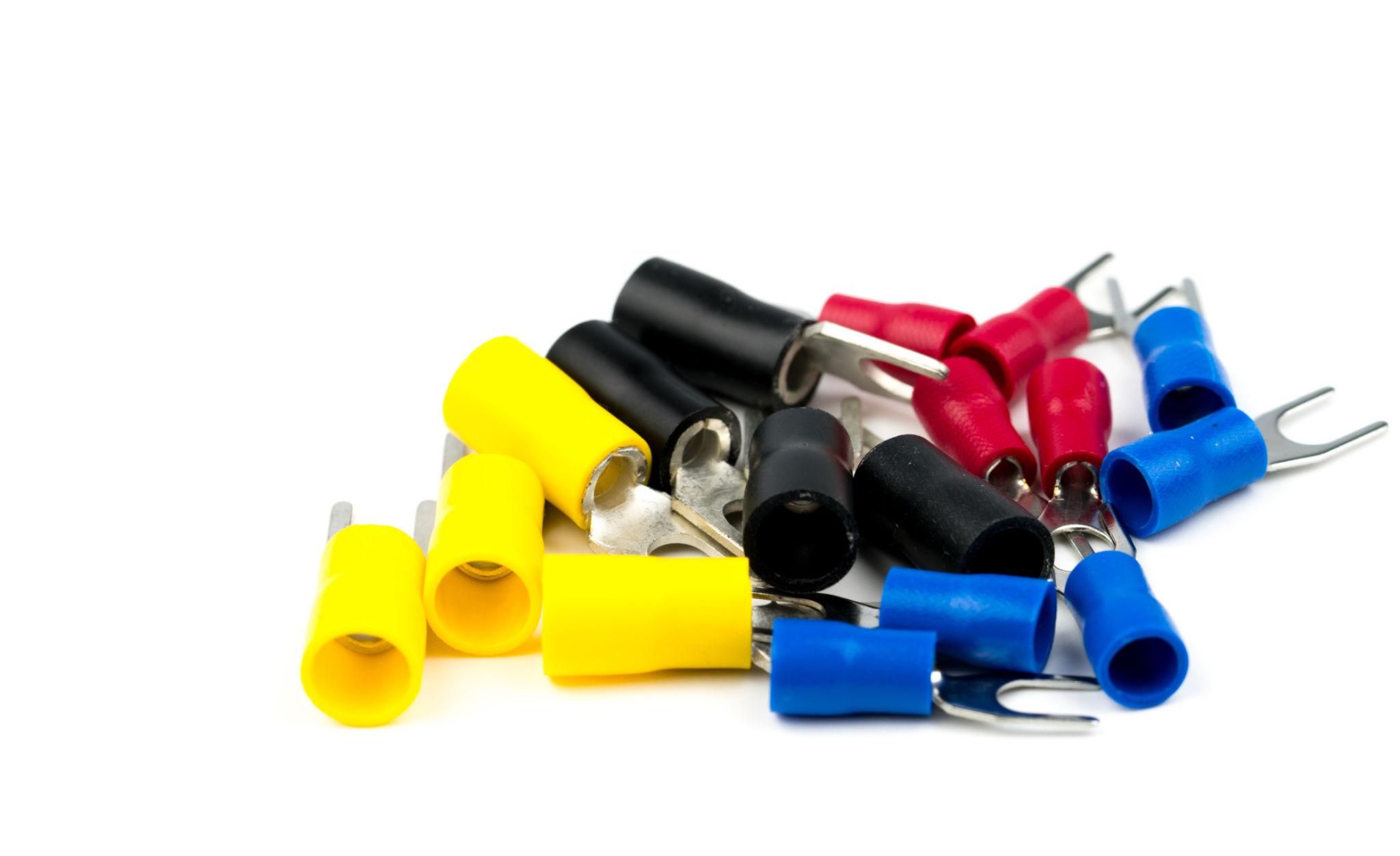
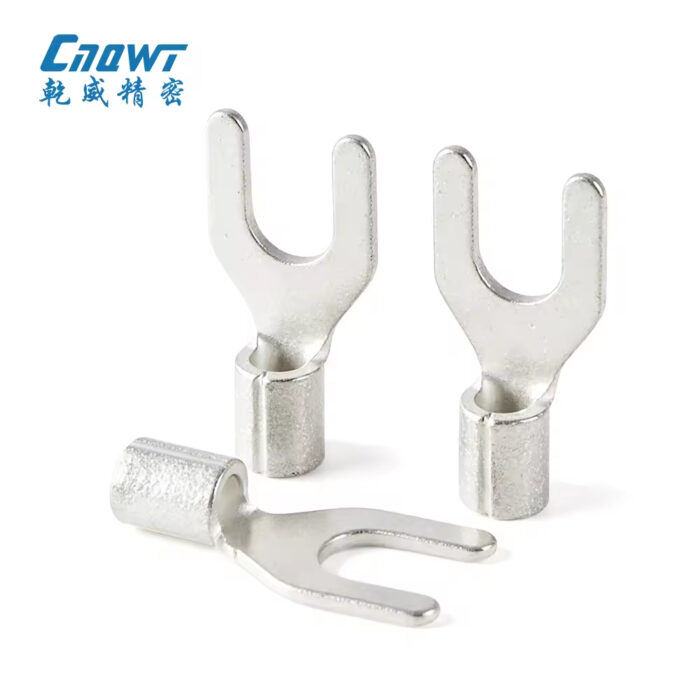
Spade terminals are designed with a U-shaped (fork-like) opening. This design allows the connector to slide under a screw or bolt rather than requiring full removal.
Here’s why that matters:
- Faster installation
- Easier maintenance
- Reduced downtime
Compared to fully closed connectors like ring terminals, spade terminals are all about speed and convenience.
They typically consist of:
- A metal conductor (copper or brass)
- A barrel for crimping onto the wire
- Optional insulation for protection
👉 If you’re comparing connection types, see:
Ring Terminals Guide (more secure, less flexible)
Key Advantages of Spade Terminals
Let’s break down why these terminals are so widely used.
1. Quick Installation and Removal
This is the biggest advantage.
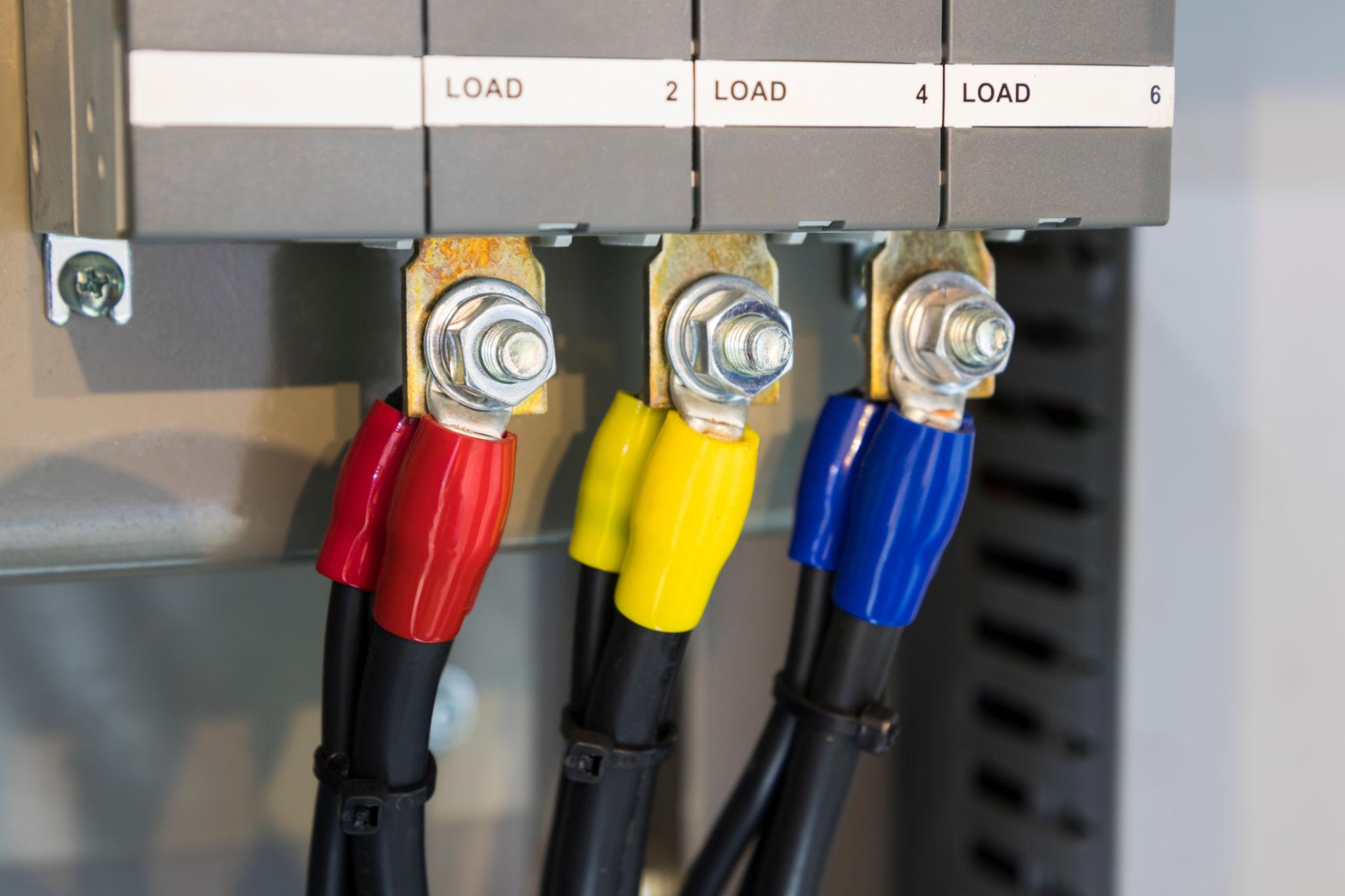
You don’t need to completely remove the screw—just loosen it, slide the terminal in, and tighten it back.
👉 Perfect for:
- Maintenance-heavy systems
- Field repairs
2. Easy Maintenance
In industrial or automotive environments, systems need regular servicing.
Spade terminals make that process faster and safer.
3. Versatility
They work in:
- Low voltage systems
- Medium-duty industrial applications
- Appliance wiring
4. Cost-Effective
Less installation time = lower labor cost.
That’s a big deal in large-scale production or installations.
Types of Spade Terminals
Not all spade terminals are the same. Choosing the right type is critical.
Insulated Spade Terminals
- Covered with PVC or nylon
- Protect against electrical shock
- Reduce short circuit risk
👉 Best for:
- General use
- Consumer products
Non-Insulated Spade Terminals
- No outer insulation
- Better conductivity
- Higher temperature tolerance
👉 Best for:
- Controlled industrial environments
Locking Spade Terminals
- Designed to prevent slipping
- Provide more secure connections
👉 Best for:
- Light vibration environments
Heavy-Duty Spade Terminals
- Thicker material
- Designed for higher current
👉 Related reading:
High Current Electrical Terminals
 Materials Used in Spade Terminals
 Materials Used in Spade Terminals
Material choice directly affects performance.
Copper
- Excellent electrical conductivity
- Most widely used
Tinned Copper
- Copper coated with tin
- Better corrosion resistance
👉 Ideal for:
- Humid environments
- Outdoor applications
👉 Related:
Copper vs Tinned Copper Terminals
Brass
- Lower cost
- Moderate conductivity
Plating Options
- Tin plating → corrosion resistance
- Nickel plating → heat resistance
👉 Learn more:
Corrosion Resistance in Electrical Terminals
Common Applications of Spade Terminals
Spade terminals are used across many industries.
Automotive Wiring
Used in dashboards, lighting systems, and battery connections
Household Appliances
Washing machines, refrigerators, air conditioners
Industrial Equipment
Control panels and machinery wiring
HVAC Systems
Quick maintenance is essential here
👉 The key reason across all these?
Ease of installation and replacement
Spade Terminals vs Ring Terminals
This is one of the most searched comparisons.
Key Differences
| Feature | Spade Terminal | Ring Terminal |
|---|---|---|
| Installation | Quick | Slower |
| Security | Moderate | Very high |
| Vibration resistance | Lower | Higher |
| Maintenance | Easy | Less convenient |
When to Use Each
Use spade terminals when:
- You need quick access
- Maintenance is frequent
Use ring terminals when:
- Safety is critical
- Vibration is high
👉 Related: Ring Terminals Guide
How to Choose the Right Spade Terminal
Here’s a simple checklist you can follow:
1. Wire Size (Gauge)
Make sure the terminal matches your wire diameter
2. Stud Size
The fork opening must fit the screw or bolt
3. Current Rating
Choose a terminal that can handle your load
4. Insulation Type
- Insulated → safety
- Non-insulated → performance
5. Environment
- Outdoor → corrosion-resistant
- High heat → plated terminals
 How to Install Spade Terminals (Step-by-Step)
 How to Install Spade Terminals (Step-by-Step)
Installation is simple, but it must be done correctly.
Step 1: Strip the Wire
Remove insulation without damaging strands
Step 2: Insert the Wire
Place it fully into the terminal barrel
Step 3: Crimp Properly
Use a professional crimping tool
👉 Related: How to Crimp Electrical Terminals
Step 4: Attach to Screw/Stud
Slide the fork under the screw
Step 5: Tighten Securely
Ensure firm contact
Common Problems and How to Avoid Them
Loose Connections
👉 Caused by improper tightening
Wrong Size Selection
👉 Leads to poor contact
Poor Crimping
👉 Weak electrical connection
Corrosion
👉 Especially in outdoor environments
👉 Related:
- Electrical Terminal Failures
- Corrosion Resistance Guide
When NOT to Use Spade Terminals
Spade terminals are great—but not for everything.
Avoid using them in:
High Vibration Environments
They can loosen over time
Critical Safety Systems
Where connection failure is unacceptable
Permanent Installations
Where removal is not needed
👉 In these cases, ring terminals are a better choice.
Crimping vs Soldering for Spade Terminals
Crimping (Recommended)
- Fast
- Reliable
- Industry standard
Soldering
- Strong but less flexible
- Can crack under vibration
👉 In most applications, crimping is the better option.
Standards and Certifications
Look for:
- UL certification
- IEC standards
- RoHS compliance
These ensure quality and safety.
Why Choose Qianwei Precision
Choosing the right supplier matters just as much as choosing the right terminal.
At Qianwei Precision, we provide:
- High-quality spade terminals
- Copper and tinned copper options
- Advanced manufacturing capabilities
- OEM and custom solutions
With over 10 years of experience, we help customers build reliable and long-lasting electrical systems.
👉 Contact us today for a fast quote and expert support.
Conclusion
Spade terminals are one of the most practical and efficient solutions for electrical connections—especially when speed and maintenance matter.
By choosing the right type, material, and installation method, you can:
- Improve system efficiency
- Reduce downtime
- Ensure long-term reliability
👉 If you’re looking for high-quality spade terminals,
Qianwei Precision is ready to support your project.
FAQ
What are spade terminals used for
They are used for quick and removable electrical connections.
Are spade terminals secure
They are secure, but less than ring terminals in high vibration environments.
What is the difference between spade and ring terminals
Spade terminals allow quick removal, while ring terminals provide stronger connections.
Can spade terminals handle high current
Yes, if properly sized and made from suitable materials.
How do I choose the right size
Match the wire gauge and stud size.
Are insulated terminals better
They provide added safety but may reduce heat resistance.
Can spade terminals be reused
Yes, if they are not damaged.
How to prevent failure
Use proper installation, materials, and regular inspection.
What tools are needed
A professional crimping tool is essential.
Are they suitable for outdoor use
Yes, if corrosion-resistant materials are used.

