

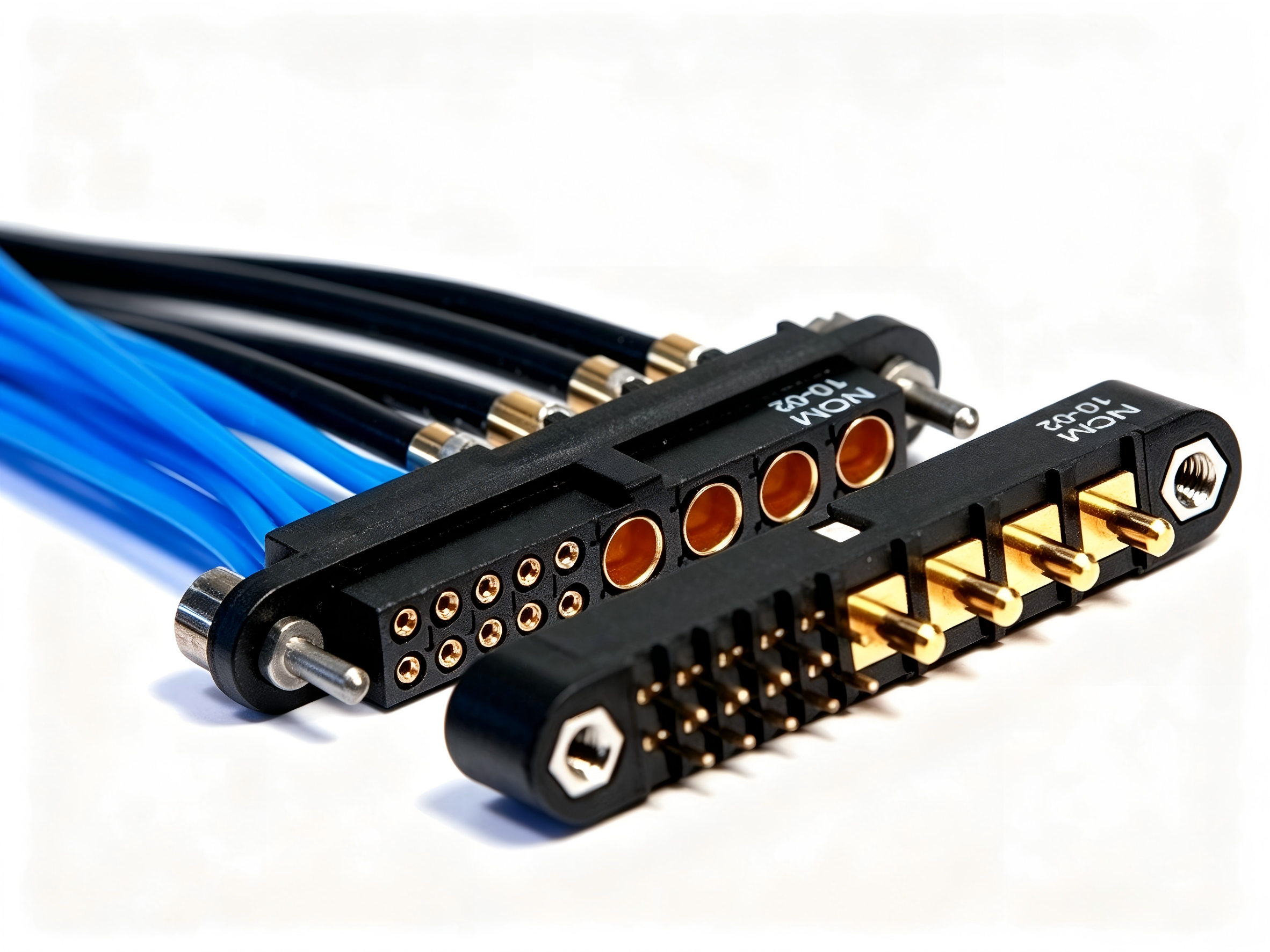
Electrical connections are often subjected to harsh operating conditions, including continuous vibration, mechanical shock, temperature fluctuations, and environmental exposure. In industries such as automotive, railway transportation, industrial automation, construction machinery, aerospace, and renewable energy, vibration is one of the leading causes of electrical connection failures.
A loose or degraded terminal connection can result in intermittent signals, increased contact resistance, overheating, equipment downtime, and even safety hazards. To address these challenges, engineers rely on high-vibration resistant terminals specifically designed to maintain reliable electrical and mechanical performance under demanding conditions.
This guide explains what high-vibration resistant terminals are, why conventional terminals fail in vibration-prone environments, the key design features that improve durability, and how to select the right terminal solution for your application.
What Are High-Vibration Resistant Terminals?
High-vibration resistant terminals are specialized electrical terminals engineered to maintain stable electrical contact and secure wire retention when exposed to continuous vibration, shock loads, and dynamic mechanical stress.
Unlike standard terminals, these components incorporate advanced design features such as reinforced crimp barrels, enhanced retention mechanisms, optimized contact geometry, and high-performance materials to minimize the risk of loosening and electrical failure.
These terminals are commonly found in:
Automotive wiring harnesses
Agricultural machinery
Construction equipment
Industrial automation systems
Wind turbines
Standard Terminals vs High-Vibration Resistant Terminals
| Feature | Standard Terminal | High-Vibration Resistant Terminal |
| Contact Stability | Moderate | Excellent |
| Wire Retention Force | Standard | Enhanced |
| Resistance to Shock | Limited | High |
| Service Life | Normal | Extended |
| Maintenance Frequency | Higher | Lower |
| Reliability in Harsh Environments | Moderate | Excellent |
Why Do Electrical Terminals Fail in High-Vibration Environments?
Understanding failure mechanisms is essential when selecting terminals for demanding applications.
Terminal Loosening
Mechanical vibration can gradually reduce the retention force between mating terminals. Even microscopic movement can cause a connector to loosen over time.
As vibration cycles accumulate, terminals may partially disengage, resulting in unstable electrical connections and eventual failure.
Common symptoms include:
Intermittent signals
Power interruptions
Unexpected equipment shutdowns
Increased maintenance costs
Fretting Corrosion
Fretting corrosion is one of the most overlooked causes of terminal failure.
Under vibration, microscopic movement occurs between contact surfaces. This repeated motion wears away protective plating and generates oxide particles.
Consequences include:
Increased contact resistance
Signal degradation
Heat generation
Reduced conductivity
Industries such as automotive and aerospace frequently encounter fretting corrosion in high-vibration environments.
Wire Fatigue and Conductor Breakage
Repeated vibration can cause stress concentrations near the crimp area.
Over time, conductor strands may fracture due to cyclic loading, leading to complete electrical disconnection.
Applications with constant motion, such as heavy equipment and railway systems, are particularly susceptible to this issue.
Contact Resistance Increase
As terminals loosen or corrode, the contact resistance rises.
Higher resistance leads to:
Excessive heat generation
Reduced current carrying capacity
Connector damage
Premature system failure
This issue becomes especially critical in electric vehicle battery systems and high-current industrial equipment.
Key Design Features of High-Vibration Resistant Terminals
The ability of a terminal to withstand vibration depends largely on its design.
Dual Crimp Structure
A dual-crimp design includes:
Conductor Crimp
Secures the electrical conductor and ensures low-resistance electrical performance.
Insulation Crimp
Provides mechanical support to reduce stress on the conductor.
Benefits include:
Improved strain relief
Better vibration resistance
Reduced wire fatigue
Longer service life
Enhanced Locking Lance Design
Many vibration-resistant terminals incorporate locking lances that prevent terminal back-out from the connector housing.
These may include:
Primary locking mechanisms
Secondary locking systems
Positive engagement features
The result is significantly improved retention force during prolonged vibration exposure.
Optimized Contact Geometry
Modern terminal designs utilize engineered contact shapes to maintain consistent contact pressure.
Examples include:
Box contacts
Multi-point contacts
Spring contacts
Beam contacts
Stable contact pressure helps prevent intermittent electrical connections even under severe vibration.
Spring Contact Technology
Spring-based contacts maintain constant force despite movement and dimensional changes.
Advantages include:
Compensation for wear
Reduced fretting corrosion
Improved electrical stability
Longer operational life
This technology is widely used in automotive and industrial connector systems.
Advanced Terminal Materials
Material selection plays a crucial role in vibration performance.
Brass
Advantages:
Cost-effective
Good conductivity
Easy manufacturability
Limitations:
Lower spring properties
Phosphor Bronze
Advantages:
Excellent fatigue resistance
Superior elasticity
Better vibration performance
Beryllium Copper
Advantages:
Exceptional spring characteristics
High strength
Outstanding vibration resistance
Used in critical applications where maximum reliability is required.
Protective Surface Plating
Terminal plating improves corrosion resistance and electrical performance.
Tin Plating
Economical
Good conductivity
Suitable for many automotive applications
Nickel Plating
Excellent wear resistance
Enhanced durability
Silver Plating
Superior conductivity
High-current applications
Gold Plating
Excellent corrosion resistance
Reliable signal transmission
Critical electronic systems
Industries That Require High-Vibration Resistant Terminals
Automotive Wiring Harnesses
Modern vehicles contain thousands of electrical connections.
Terminals must withstand:
Engine vibration
Road shock
Temperature cycling
Long service life requirements
Common applications include:
Engine control units
Sensor systems
Lighting systems
Battery connections
Electric Vehicles (EVs)
Electric vehicles place even greater demands on terminal reliability.
Applications include:
Battery management systems
Charging systems
High-voltage distribution
Power electronics
Failure in these systems can compromise vehicle performance and safety.
Construction Machinery
Heavy-duty equipment operates under extreme vibration conditions.
Examples include:
Excavators
Bulldozers
Loaders
Cranes
Reliable terminals help minimize downtime and maintenance costs.
Agricultural Equipment
Modern farming equipment relies heavily on electronic controls and sensors.
Terminals must withstand:
Continuous vibration
Dust exposure
Moisture
Temperature extremes
Applications include tractors, harvesters, and irrigation systems.
Railway Systems
Railway equipment experiences constant vibration throughout operation.
Critical systems include:
Signaling equipment
Communication systems
Control systems
Passenger safety systems
Connection reliability is essential for operational safety.
Aerospace Applications
Aircraft and aerospace equipment require extremely reliable electrical connections.
Requirements include:
High vibration resistance
Shock resistance
Lightweight design
Long service life
Only high-performance terminal solutions are suitable for these demanding environments.
Common Testing Standards for High-Vibration Resistant Terminals
Designing a vibration-resistant terminal is only part of the solution. To ensure long-term reliability, manufacturers must validate performance through rigorous testing procedures.
Industry-recognized testing standards help engineers evaluate whether a terminal can maintain electrical and mechanical integrity under real-world operating conditions.
USCAR Connector Testing Standards
The United States Council for Automotive Research (USCAR) has established some of the most widely recognized testing standards for automotive connectors and terminals.
USCAR testing typically includes:
Random vibration testing
Mechanical shock testing
Temperature cycling
Terminal retention force testing
Crimp pull-out testing
Contact resistance measurement
Many automotive OEMs require suppliers to meet USCAR specifications before approving components for vehicle production.
SAE Standards
The Society of Automotive Engineers (SAE) publishes standards related to electrical connection systems used in transportation applications.
SAE vibration testing evaluates:
Mechanical durability
Electrical continuity
Connector retention
Environmental resistance
Compliance with SAE standards helps ensure reliability in demanding automotive environments.
IEC Standards
The International Electrotechnical Commission (IEC) provides globally recognized standards for electrical components.
Relevant testing areas include:
Vibration endurance
Shock resistance
Insulation performance
Corrosion resistance
Electrical conductivity
IEC-compliant terminals are commonly used in industrial automation, renewable energy, and railway applications.
Terminal Retention Force Testing
Retention testing measures the force required to remove a terminal from its connector housing.
A high retention force is essential for vibration-resistant applications because it helps prevent terminal back-out during operation.
Key benefits include:
Improved safety
Reduced maintenance
Enhanced connection reliability
Crimp Pull-Out Testing
Pull-out testing evaluates the mechanical strength of the crimped connection between the wire and terminal.
A properly designed crimp should withstand significant tensile force without separation.
This test helps verify:
Crimp quality
Material performance
Manufacturing consistency
How to Select the Right High-Vibration Resistant Terminal
Choosing the correct terminal requires evaluating multiple operating conditions and performance requirements.
Consider Vibration Severity
Not all vibration environments are the same.
Low Vibration
Examples:
Office equipment
Consumer electronics
Medium Vibration
Examples:
Industrial control panels
Manufacturing equipment
High Vibration
Examples:
Agricultural machinery
Construction equipment
Railway systems
Extreme Vibration
Examples:
Heavy mining equipment
Military vehicles
Aerospace systems
The more severe the vibration, the greater the need for advanced retention and contact technologies.
Evaluate Current Requirements
Current-carrying capacity directly impacts terminal selection.
Important factors include:
Continuous current
Peak current
Voltage level
Temperature rise
Undersized terminals can generate excessive heat and fail prematurely.
Assess Operating Temperature
Many vibration-intensive applications also experience temperature extremes.
Typical operating ranges may include:
| Application | Temperature Range |
| Automotive Engine Bay | -40°C to 150°C |
| EV Battery Systems | -40°C to 125°C |
| Industrial Equipment | -20°C to 120°C |
| Aerospace Systems | -55°C to 200°C |
Terminal materials and plating must remain stable across the intended temperature range.
Consider Environmental Conditions
Environmental exposure can accelerate terminal degradation.
Factors to evaluate include:
Water ingress
Humidity
Salt spray
Dust contamination
Chemical exposure
UV exposure
Applications exposed to harsh environments often require specialized plating and sealed connector systems.
Choose the Appropriate Termination Method
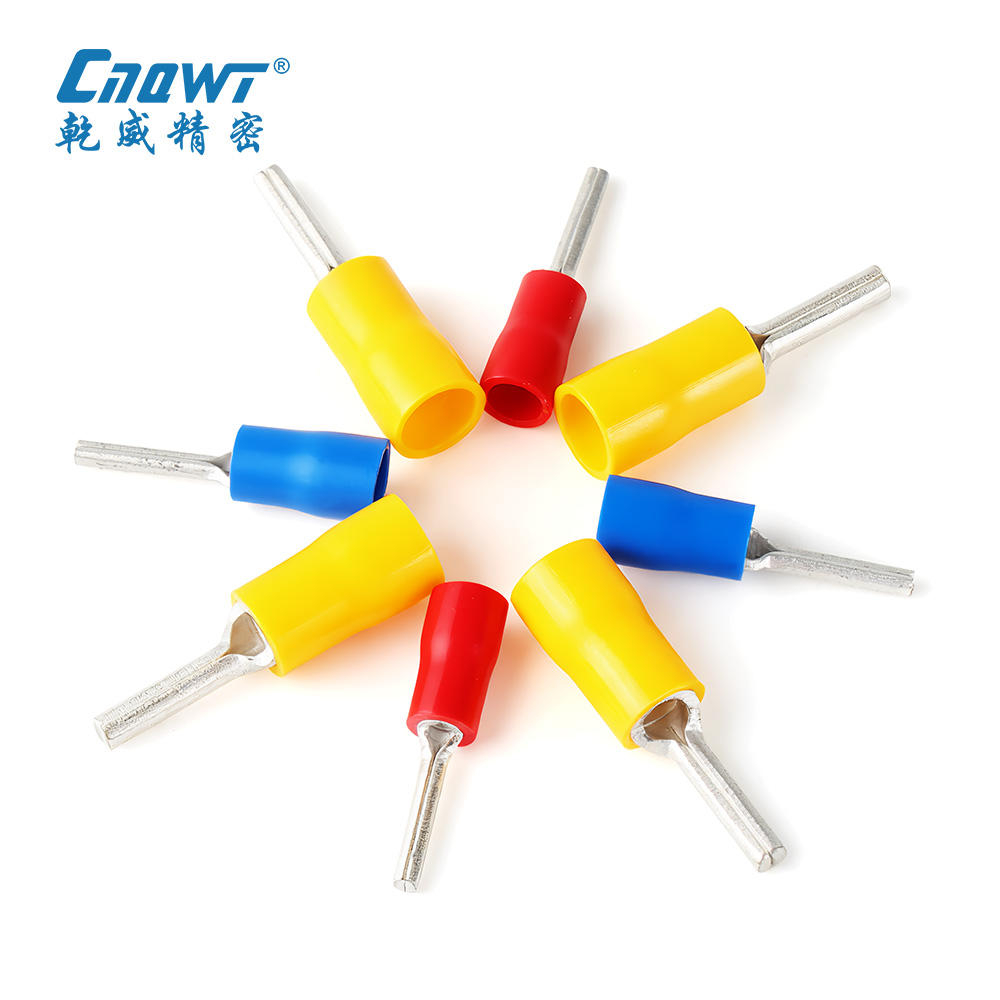
Several termination methods are available.
Crimp Terminals
Advantages:
Excellent vibration resistance
High production efficiency
Low electrical resistance
Most automotive and industrial systems prefer crimped connections.
Screw Terminals
Advantages:
Easy maintenance
Field installation capability
Limitations:
Can loosen under vibration
Spring Clamp Terminals
Advantages:
Consistent contact force
Good vibration resistance
Popular in industrial automation systems.
Best Practices for Installing High-Vibration Resistant Terminals
Even the best terminal can fail if installed incorrectly.
Use Professional Crimping Tools
Using the correct crimping tool ensures:
Proper compression
Consistent crimp geometry
Reliable electrical performance
Poor crimping remains one of the most common causes of terminal failure.
Verify Crimp Quality
Regular inspection should include:
Visual examination
Crimp height measurement
Pull-force testing
Cross-section analysis
These checks help maintain manufacturing consistency.
Avoid Over-Crimping
Excessive compression can damage conductor strands and reduce fatigue resistance.
An optimized crimp creates a gas-tight connection without damaging the conductor.
Provide Adequate Strain Relief
Proper strain relief reduces stress on the conductor and terminal interface.
Benefits include:
Improved durability
Reduced wire fatigue
Better vibration performance
Perform Real-World Validation Testing
Laboratory testing should be supplemented with application-specific validation.
Testing may include:
Vehicle road testing
Machinery endurance testing
Environmental simulation
Thermal cycling
Real-world data provides valuable insight into long-term reliability.
High-Vibration Resistant Terminals vs Standard Terminals
Many buyers ask whether premium vibration-resistant terminals justify the additional investment.
The answer depends on application requirements.
| Characteristic | Standard Terminal | High-Vibration Resistant Terminal |
| Initial Cost | Lower | Higher |
| Service Life | Moderate | Long |
| Maintenance Requirements | Higher | Lower |
| Resistance to Shock | Moderate | Excellent |
| Contact Stability | Moderate | Excellent |
| Long-Term Reliability | Moderate | Excellent |
| Downtime Risk | Higher | Lower |
Although vibration-resistant terminals may have a higher upfront cost, they often reduce total ownership costs by minimizing failures, maintenance, and equipment downtime.
Why Partner with a Professional Terminal Manufacturer?
Selecting the right supplier is just as important as selecting the right terminal.
A professional terminal manufacturer can provide:
Custom engineering support
Material recommendations
Prototype development
Precision tooling
Automated production
Quality assurance testing
Global supply chain support
An experienced supplier can help optimize both performance and manufacturing costs.
Why Choose Qianwei Precision for High-Vibration Resistant Terminal Solutions?
At Qianwei Precision, we specialize in the development and manufacturing of precision stamped terminals designed for demanding applications.
Our engineering and manufacturing capabilities enable us to provide customized terminal solutions for customers worldwide.
Precision Stamping Expertise
We utilize advanced progressive stamping technology to produce high-precision terminals with consistent quality and dimensional accuracy.
Benefits include:
Tight tolerances
High-volume production
Excellent repeatability
Custom Terminal Development
Every application has unique requirements.
Our engineering team supports:
Custom terminal design
Material selection
Prototype development
Application optimization
Whether you require automotive terminals, industrial connectors, or specialized electrical contacts, we can develop a solution tailored to your needs.
High-Performance Materials
We work with a variety of premium materials, including:
Brass
Phosphor bronze
Beryllium copper
Stainless steel
Material selection is optimized according to conductivity, strength, corrosion resistance, and vibration performance requirements.
Advanced Surface Finishing Options
Available plating options include:
Tin plating
Nickel plating
Silver plating
Gold plating
These finishes improve corrosion resistance and electrical reliability in harsh operating environments.
Strict Quality Control
Quality assurance is integrated throughout the manufacturing process.
Inspection capabilities include:
Dimensional measurement
Crimp analysis
Pull-force testing
Material verification
Surface finish inspection
Our commitment to quality helps ensure consistent product performance and customer satisfaction.
Global OEM and ODM Support
Qianwei Precision serves customers across multiple industries, including:
Automotive
Electric vehicles
Industrial automation
Renewable energy
Consumer electronics
Telecommunications
From prototype development to mass production, we provide responsive support throughout the project lifecycle.
Conclusion
Whether used in automotive wiring harnesses, electric vehicles, industrial machinery, railway systems, or renewable energy equipment, selecting the right terminal can significantly improve system reliability, reduce maintenance costs, and extend service life.
Working with an experienced manufacturer like Qianwei Precision can help ensure you receive a terminal solution optimized for your specific application requirements.
If you are looking for custom high-vibration resistant terminals, our engineering team is ready to assist with design consultation, rapid prototyping, and high-volume manufacturing support.
FAQs
1.What is a high-vibration resistant terminal?
A high-vibration resistant terminal is an electrical terminal specifically designed to maintain secure electrical and mechanical connections in environments exposed to continuous vibration and shock.
2.Why do terminals loosen under vibration?
Repeated vibration can reduce retention force, cause micro-movement between contact surfaces, and gradually loosen the connection over time.
3.Which material is best for vibration-resistant terminals?
Phosphor bronze and beryllium copper are commonly preferred due to their excellent spring properties and fatigue resistance.
4.Are crimp terminals better than soldered connections in vibration environments?
In most industrial and automotive applications, properly crimped terminals provide superior vibration resistance compared to soldered connections.
5.How are vibration-resistant terminals tested?
Common tests include vibration testing, shock testing, pull-out testing, contact resistance measurement, and temperature cycling.
6.Which industries use vibration-resistant terminals?
Automotive, electric vehicles, industrial automation, railway transportation, aerospace, renewable energy, and construction equipment industries all rely on vibration-resistant terminals.
7.Can vibration-resistant terminals be customized?
Yes. Manufacturers can customize terminal geometry, material, plating, retention features, and dimensions to meet specific application requirements.
8.How do I choose the right terminal for my application?
Consider vibration levels, electrical requirements, temperature range, environmental conditions, installation method, and applicable industry standards.
9.What plating is best for vibration-resistant terminals?
The best plating depends on the application. Tin plating is economical, while silver and gold plating provide superior conductivity and corrosion resistance.
10.How can Qianwei Precision support custom terminal projects?
Qianwei Precision provides design support, tooling development, material selection, prototyping, precision stamping, plating solutions, and mass production services for customized terminal applications.

