

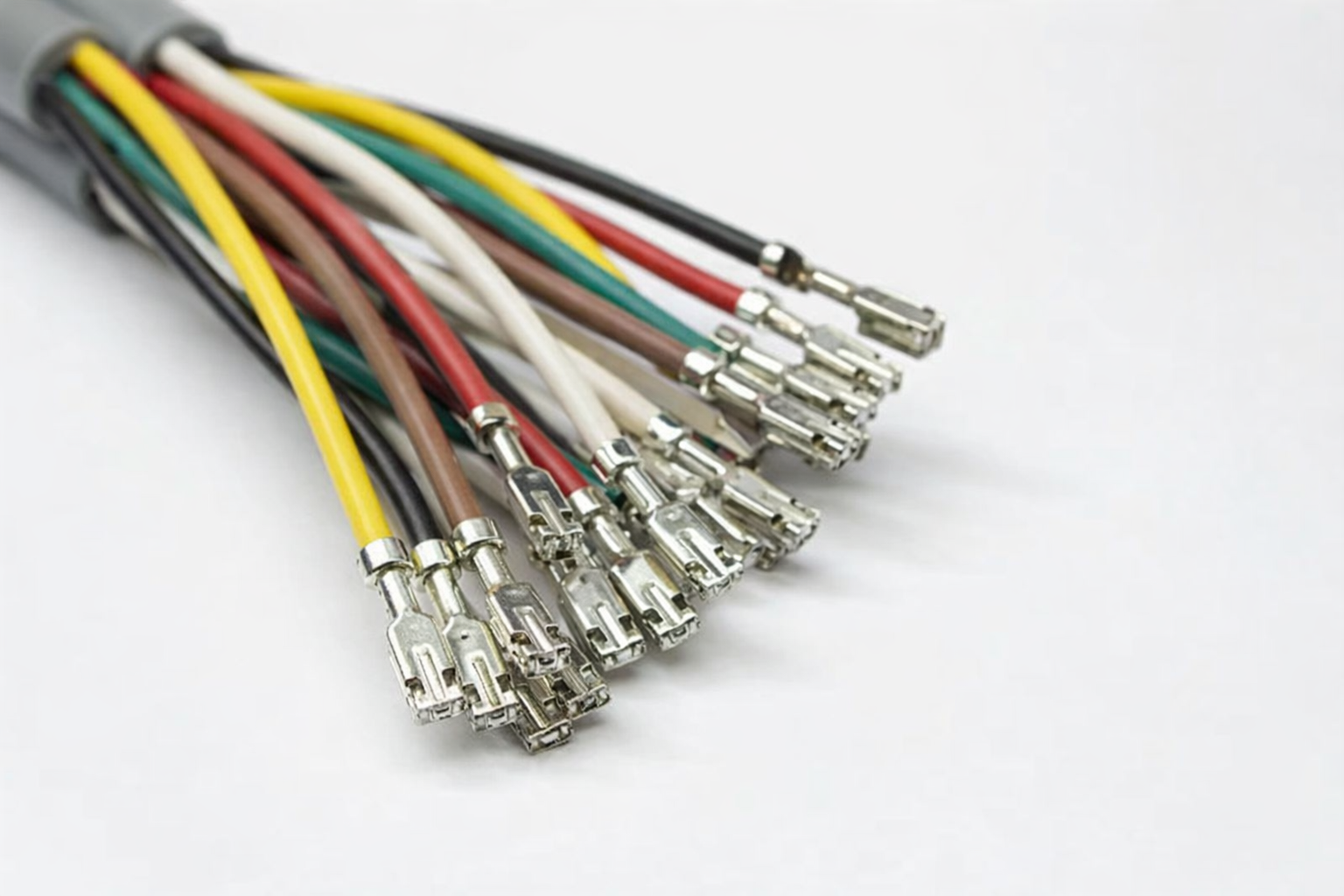
Electrical terminals is extremely important in electrical and electronic systems. They are the connection points that allow electricity to flow safely and reliably between wires, components, and devices. Without properly functioning terminals, even the most advanced electrical system can suffer from power loss, overheating, or failure.
In simple terms, electrical terminals work by creating a secure mechanical and electrical connection between conductors, ensuring stable current flow, low contact resistance, and long-term reliability under mechanical and environmental stress.
How Electrical Terminals Function
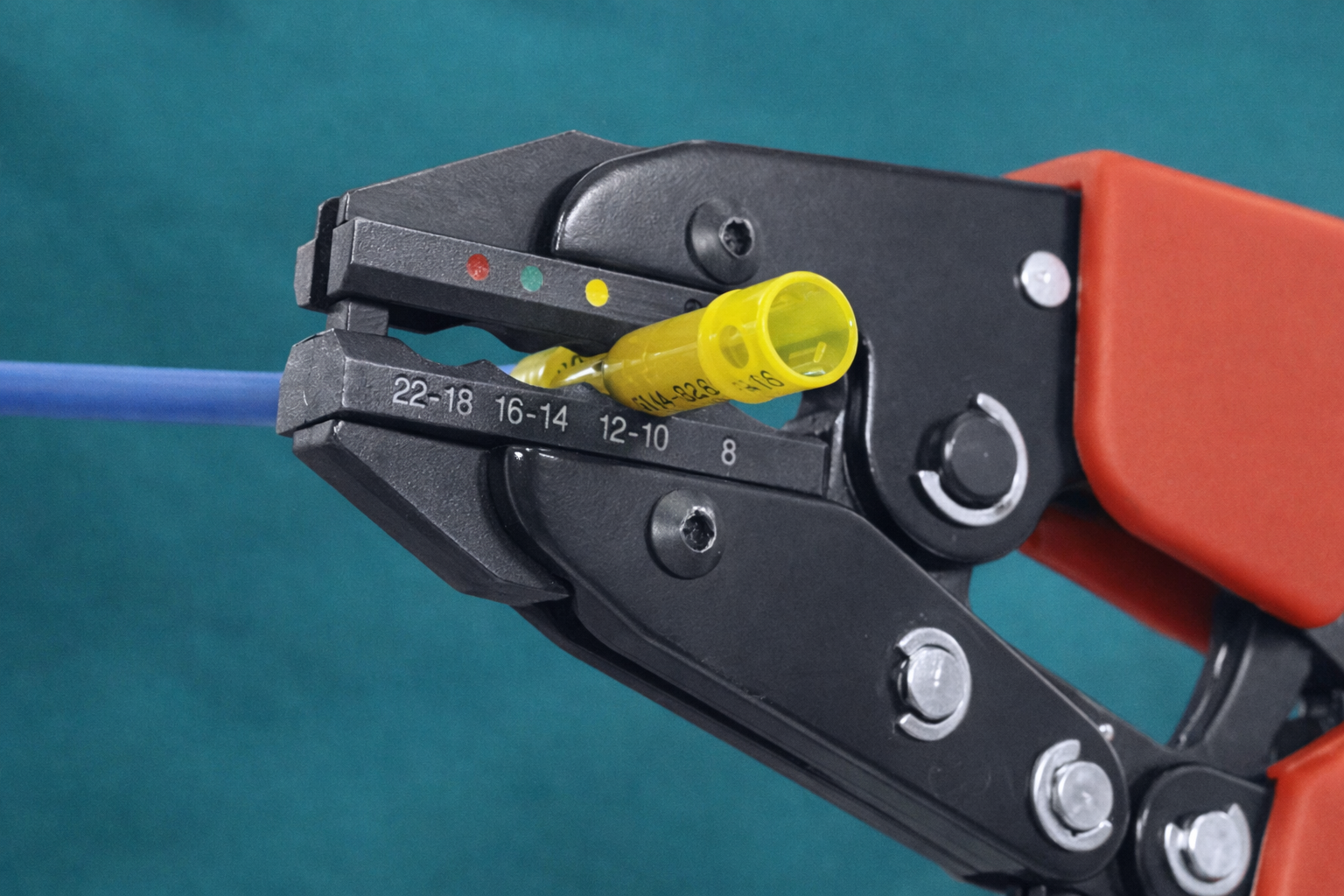
Electrical terminals work through a straightforward but highly engineered process:
The wire insulation is stripped to expose the conductor
The conductor is inserted into or placed onto the terminal
Mechanical force is applied (crimping, tightening, or spring pressure)
Metal-to-metal contact is established
The connection maintains conductivity over time, even under vibration or heat
This combination of mechanical retention and electrical contact is what makes terminals indispensable in wiring systems.
The Basic Working Principle of Electrical Terminals
At their core, electrical terminals rely on two fundamental principles: mechanical connection and electrical conductivity.
Mechanical Connection
The mechanical function of a terminal is to hold the conductor firmly in place. Depending on the terminal type, this is achieved by:
Crimping force that compresses metal around the wire
Screw torque that clamps the conductor
Spring tension that maintains constant pressure
A stable mechanical connection prevents wire pull-out, loosening, and vibration-related failures.
Electrical Contact and Conductivity
Once the conductor is secured, the terminal must ensure efficient current flow. This requires:
Large contact surface area
Low contact resistance
Clean metal-to-metal contact
To enhance conductivity and prevent oxidation, terminals are often plated with materials such as tin, nickel, or silver.
Step-by-Step: How an Electrical Terminal Makes a Reliable Connection
Step 1 – Wire Preparation
The insulation is stripped to the correct length, exposing the conductor without damaging the strands. Proper stripping is essential to avoid weak connections.
Step 2 – Terminal Insertion or Positioning
The conductor is inserted into the terminal barrel, placed under a screw clamp, or aligned with a spring mechanism, depending on the terminal design.
Step 3 – Connection Method Applied
Different terminals use different methods to secure the wire:
Crimping compresses the terminal barrel around the conductor
Screws apply controlled clamping force
Spring terminals use elastic force to maintain constant pressure
Step 4 – Long-Term Stability
A correctly made terminal connection resists:
Vibration
Thermal expansion and contraction
Corrosion
Mechanical stress
This stability is critical for long service life.
How Different Types of Electrical Terminals Work
Crimp Terminals
Crimp terminals work by permanently deforming the metal barrel around the conductor using a calibrated crimping tool. This creates a gas-tight connection, preventing oxidation and ensuring very low resistance.
They are widely used in automotive wiring harnesses and industrial equipment.
Screw Terminals
Screw terminals work by tightening a screw that clamps the conductor against a conductive surface. Proper torque is essential to prevent loosening or wire damage.
These terminals are common in control panels and power distribution systems.
Ring and Spade Terminals
Ring and spade terminals are attached to wires (usually by crimping) and then fastened to studs or screws. The ring shape prevents accidental disconnection, making them ideal for high-vibration environments.
Spring / Push-In Terminals
Spring terminals use internal spring force to press the conductor against a contact surface. They provide fast installation and consistent pressure without tools.
Where and Why Electrical Terminals Are Used
Electrical terminals are used wherever safe and reliable connections are required, including:
Automotive wiring harnesses
Industrial control cabinets
Power distribution systems
Home appliances and consumer electronics
They allow systems to be assembled, serviced, and repaired efficiently without soldering or permanent joints.
Key Factors That Affect Terminal Performance
Several factors determine how well an electrical terminal works:
Wire size and material compatibility
Correct crimp force or tightening torque
Terminal plating and corrosion resistance
Operating temperature range
Exposure to vibration and mechanical stress
Ignoring these factors can lead to overheating, voltage drop, or connection failure.
FAQs
How do electrical terminals ensure low resistance?
By creating firm metal-to-metal contact with sufficient contact pressure and proper surface plating.
What happens if a terminal is improperly crimped?
Poor crimping can cause high resistance, overheating, or wire pull-out.
Are crimp terminals better than soldering?
In many industrial applications, yes. Crimping provides better vibration resistance and avoids solder fatigue.
How long do electrical terminals last?
When properly selected and installed, terminals can last decades.
Can electrical terminals handle vibration?
Yes, especially crimp and ring terminals designed for automotive and industrial use.
Do terminals require maintenance?
Generally no, but screw terminals may need periodic inspection in high-vibration environments.
Summary: How Electrical Terminals Work
Electrical terminals work by combining mechanical retention and electrical conductivity to create safe, reliable connections. Through proper design, material selection, and installation, terminals ensure stable current flow across a wide range of applications. Choosing the right terminal type and applying it correctly is essential for system performance and long-term reliability. Contact us for more information.
