

In modern electrical systems, safety isn’t optional—it’s engineered. From automotive wiring harnesses to renewable energy systems, one small component plays a disproportionately large role in preventing failures: electrical terminals.
At first glance, terminals may seem simple. But in reality, they are the critical interface between conductors and systems, directly influencing electrical reliability, thermal stability, and long-term safety.
In this guide, we’ll break down exactly how electrical terminals improve connection safety, what factors affect their performance, and how to choose the right solution for your application.
Why Connection Safety Matters in Electrical Systems
Unsafe electrical connections are one of the leading causes of system failures—and in worst cases, fire hazards.
Common Risks of Poor Electrical Connections
- Overheating due to high contact resistance
- Electrical arcing caused by loose connections
- Voltage drops affecting system efficiency
- Mechanical loosening under vibration
- Corrosion from moisture or chemicals
Even a slightly unstable connection can escalate into a serious issue over time.
Real-World Consequences
- Equipment failure and downtime
- Increased maintenance costs
- Safety hazards in automotive and industrial systems
- Reduced lifespan of electrical components
👉 This is where high-quality electrical terminals come in—they engineer stability into every connection point.
What Are Electrical Terminals?
Electrical terminals are conductive components used to securely connect wires to devices, circuits, or other wires.
Basic Structure of a Terminal
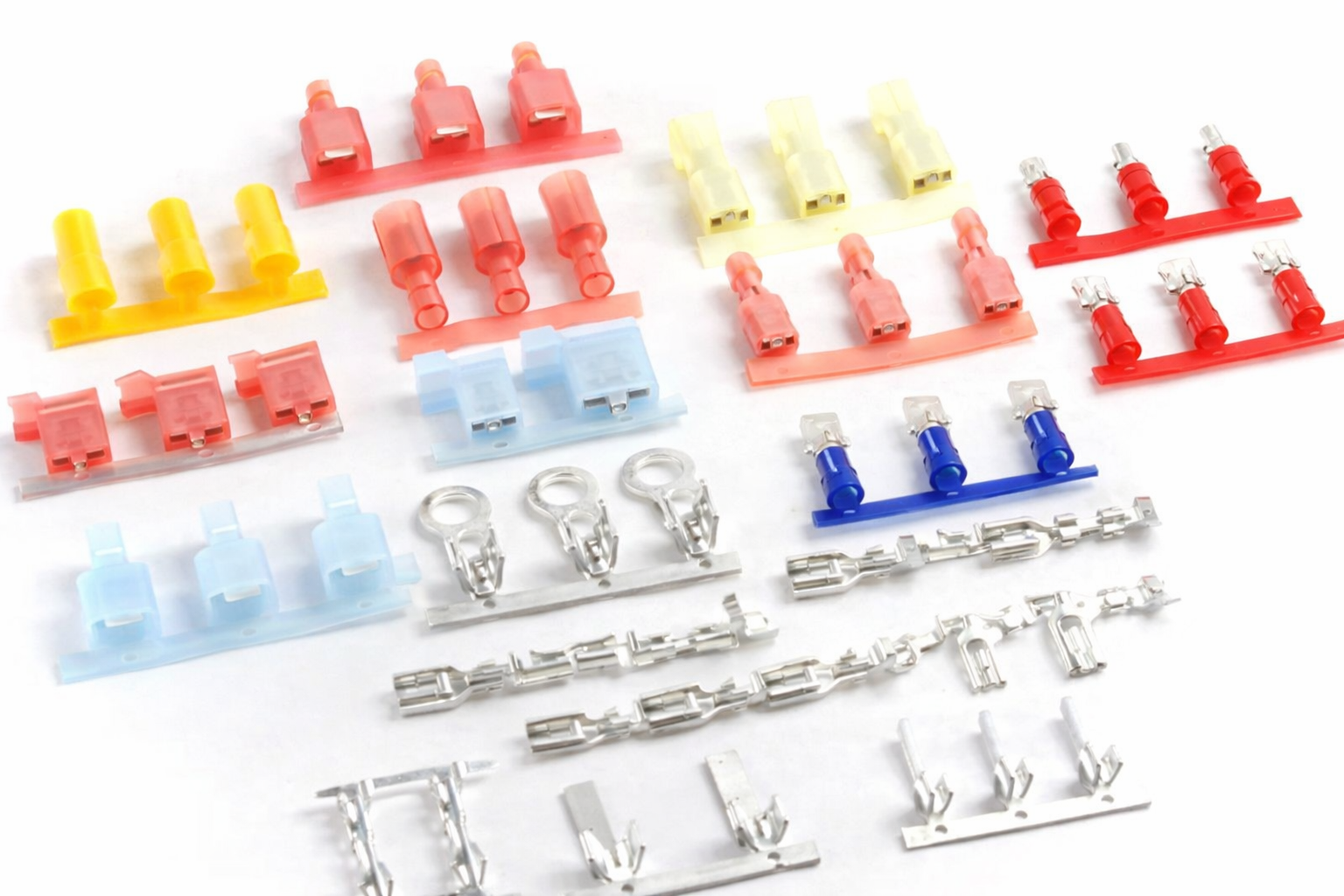
A typical terminal consists of:
- Conductor barrel – where the wire is inserted and crimped
- Contact interface – connects to studs, tabs, or connectors
- Insulation support (optional) – protects against short circuits
Common Types of Terminals
- Ring terminals – secure, vibration-resistant connections
- Spade terminals – easy installation and removal
- Pin terminals – ideal for terminal blocks
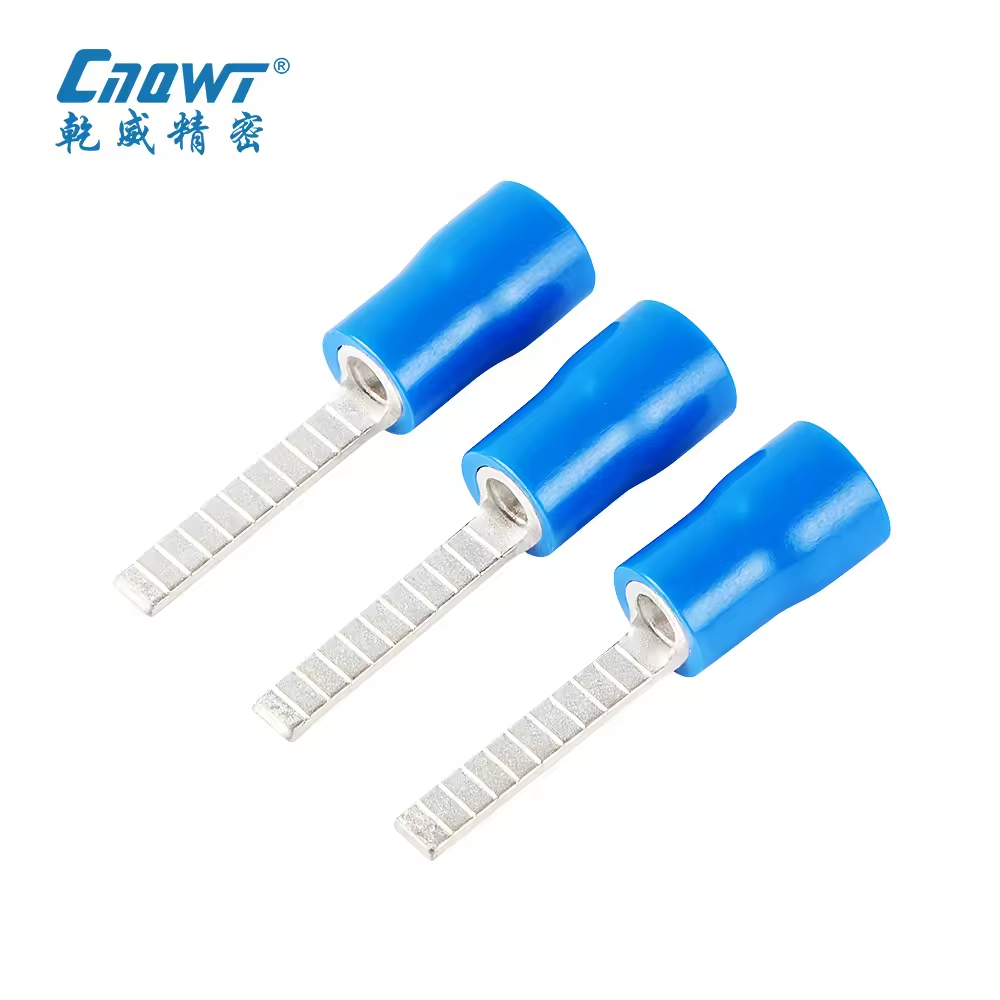
- Blade terminals – commonly used in quick-connect systems
Each type is designed for specific applications—but all share one goal: safe, reliable electrical contact.
Key Ways Electrical Terminals Improve Connection Safety
This is the core of the topic. Let’s go deeper into the engineering mechanisms behind terminal safety.
1. Ensuring a Stable Mechanical Connection
A properly crimped terminal creates a gas-tight, mechanically strong bond between the wire and terminal.
- Prevents wire pull-out
- Maintains structural integrity under stress
- Eliminates micro-movements that cause wear
👉 Without a stable mechanical connection, electrical performance becomes unpredictable.
2. Reducing Electrical Resistance
Loose or poorly connected wires increase resistance, which leads to:
- Heat buildup
- Energy loss
- Efficiency reduction
High-quality terminals ensure:
- Maximum contact surface area
- Tight metal-to-metal bonding
- Consistent conductivity
👉 Lower resistance = safer and more efficient systems.
3. Preventing Overheating and Electrical Arcing
Overheating is one of the most dangerous outcomes of poor connections.
Electrical terminals help by:
- Maintaining consistent contact pressure
- Eliminating gaps where arcing can occur
- Distributing current evenly
👉 This significantly reduces the risk of sparks, melting, or fire hazards.
4. Enhancing Vibration Resistance
In environments like automotive or industrial machinery, vibration is unavoidable.
Terminals improve safety by:
- Locking wires securely in place
- Preventing loosening over time
- Maintaining contact integrity under dynamic loads
👉 This is critical in applications such as EV systems and heavy equipment.
5. Providing Insulation and Environmental Protection
Many terminals come with insulation or protective coatings that:
- Prevent accidental electrical contact
- Resist moisture and corrosion
- Extend service life in harsh environments
👉 Especially important for outdoor, marine, and industrial use.
Crimping vs Soldering: Which Is Safer?
This is a highly searched topic—and the answer is clear in most industrial scenarios.

Advantages of Crimped Terminals
- Consistent quality (repeatable process)
- Superior vibration resistance
- No thermal damage to conductors
- Gas-tight connections prevent oxidation
Limitations of Soldering
- Can become brittle over time
- Sensitive to vibration
- Risk of cold solder joints
- Heat can damage insulation
👉 Conclusion: Crimping is widely considered the safer and more reliable method for most applications.
Materials and Design Factors That Impact Safety
Not all terminals are created equal. Material and design directly affect performance.
Conductive Materials
- Copper – excellent conductivity
- Brass – good strength and corrosion resistance
- Phosphor bronze – high fatigue resistance
Surface Plating
- Tin plating – prevents corrosion, cost-effective
- Silver plating – superior conductivity for high-current applications
Design Considerations
- Contact area size
- Terminal thickness
- Precision tolerances
- Barrel design for crimping
👉 Small design differences can significantly impact safety and lifespan.
Common Mistakes That Reduce Terminal Safety
Avoiding these mistakes is just as important as choosing the right terminal.
Incorrect Terminal Size
- Leads to loose or over-tight connections
- Causes overheating or mechanical failure
Poor Crimping Process
- Under-crimping → weak connection
- Over-crimping → conductor damage
Low-Quality Materials
- Reduced conductivity
- Faster corrosion
- Shorter lifespan
Ignoring Environmental Conditions
- Moisture, heat, chemicals can degrade performance
👉 Safety depends on both product quality and correct application.
How to Choose Safe Electrical Terminals (Step-by-Step)
If you’re selecting terminals for your project, follow this structured approach:
Step 1: Match Wire Size and Current Rating
Ensure compatibility to prevent overheating.
Step 2: Choose the Right Terminal Type
Based on installation method and application.
Step 3: Verify Material and Plating
Consider conductivity, corrosion resistance, and environment.
Step 4: Use Proper Crimping Tools
Tooling quality directly affects connection reliability.
Step 5: Work with a Reliable Manufacturer
Consistency and precision are critical for safety.
Applications Where Terminal Safety Is Critical
Electrical terminals are essential in:
- Automotive systems – vibration + high reliability requirements
- Renewable energy – long-term outdoor exposure
- Industrial machinery – high load and harsh conditions
- Home appliances – safety compliance and durability
👉 In these industries, connection failure is not an option.
Why Manufacturing Quality Matters for Safety
Behind every reliable terminal is precision manufacturing.
Key Factors
- High-precision stamping ensures dimensional accuracy
- Advanced tooling guarantees consistency
- Strict quality control reduces defects
Qianwei Precision: Your Reliable Terminal Manufacturing Partner
At Qianwei Precision, we understand that connection safety starts at the manufacturing level.
With over 1,800+ production molds and extensive experience in precision metal stamping and injection molding, we provide:
- High-precision terminal manufacturing with tight tolerances
- Fast custom tooling development and modification
- Stable, high-volume production capabilities
- Support for automotive, industrial, and medical applications
Our engineering-driven approach ensures that every terminal delivers:
✔ Consistent conductivity
✔ Strong mechanical performance
✔ Long-term reliability
👉 Whether you need standard terminals or fully customized solutions, we are ready to support your project.
👉 Request free samples or contact us today to discuss your requirements.
Conclusion: Small Component, Big Safety Impact
Electrical terminals may be small, but their impact on system safety is enormous.
By ensuring:
- Stable mechanical connections
- Low electrical resistance
- Resistance to vibration and environmental factors
…they form the foundation of reliable electrical systems.
👉 Choosing the right terminal—and the right manufacturing partner—can make the difference between long-term reliability and costly failure.
FAQs
1. How do electrical terminals improve safety?
They create secure, low-resistance connections that prevent overheating, arcing, and mechanical failure.
2. Are crimped connections safer than soldered ones?
Yes. Crimped connections are more consistent and resistant to vibration.
3. What causes terminal failure?
Poor crimping, incorrect sizing, low-quality materials, and environmental exposure.
4. Can bad terminals cause fires?
Yes. High resistance can lead to overheating and fire hazards.
5. What material is best for terminals?
Copper is most common due to its excellent conductivity.
6. How do I choose the right terminal size?
Match it to the wire gauge and current requirements.
7. Does plating matter?
Yes. Plating improves corrosion resistance and conductivity.
8. How do I test connection safety?
Use pull tests, resistance measurement, and visual inspection.
9. Do terminals loosen over time?
Not if properly crimped and correctly selected.
10. Are insulated terminals safer?
Yes. They provide additional protection against accidental contact.

