

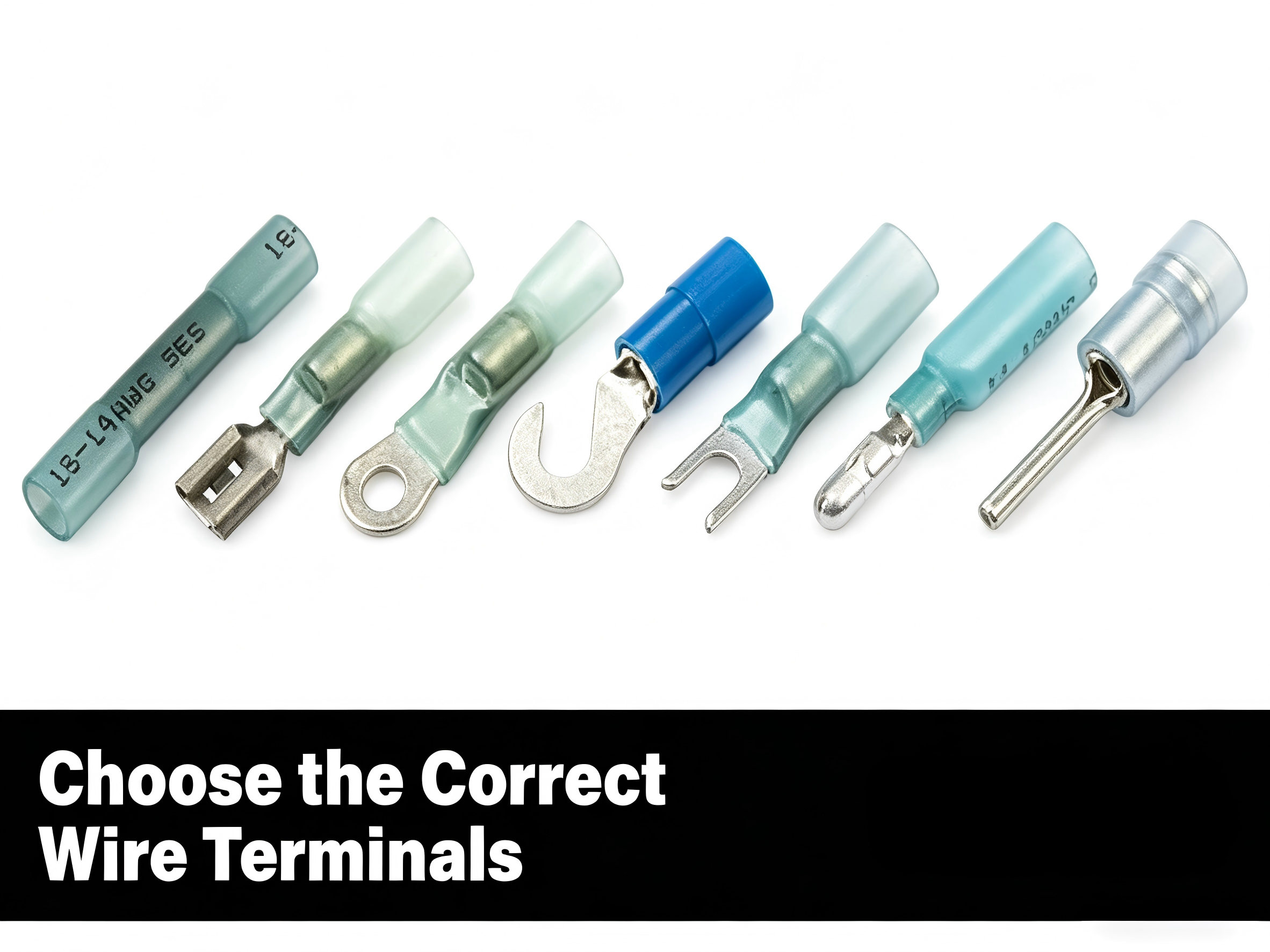
Choosing the right terminal is important for reliable electrical and electronic connections. Using an inappropriate terminal can result in poor conductivity, overheating, premature failure, or even safety hazards. Whether you are designing a circuit, maintaining machinery, or producing electrical components, selecting the correct terminal is key to performance and longevity.
In this guide, we’ll walk you through how to choose the right terminal for your application, explain key selection criteria, and provide practical tips to ensure both reliability and efficiency.
Quick Inquiry: Explore our custom terminal solutions
Why Choosing the Right Terminal Matters
Electrical terminals are small but critical components. Using the wrong type or size can lead to:
Electrical failures: Loose or improper connections cause voltage drops or shorts.
Overheating: Undersized terminals generate excessive heat under load.
Mechanical failure: Inadequate strength leads to wire detachment or breakage.
Safety hazards: Poor connections increase the risk of fire, sparks, or equipment damage.
Selecting the right terminal ensures reliable performance, safety compliance, and long-term durability—essential for industrial, automotive, and electronic applications.
Types of Terminals and Their Applications
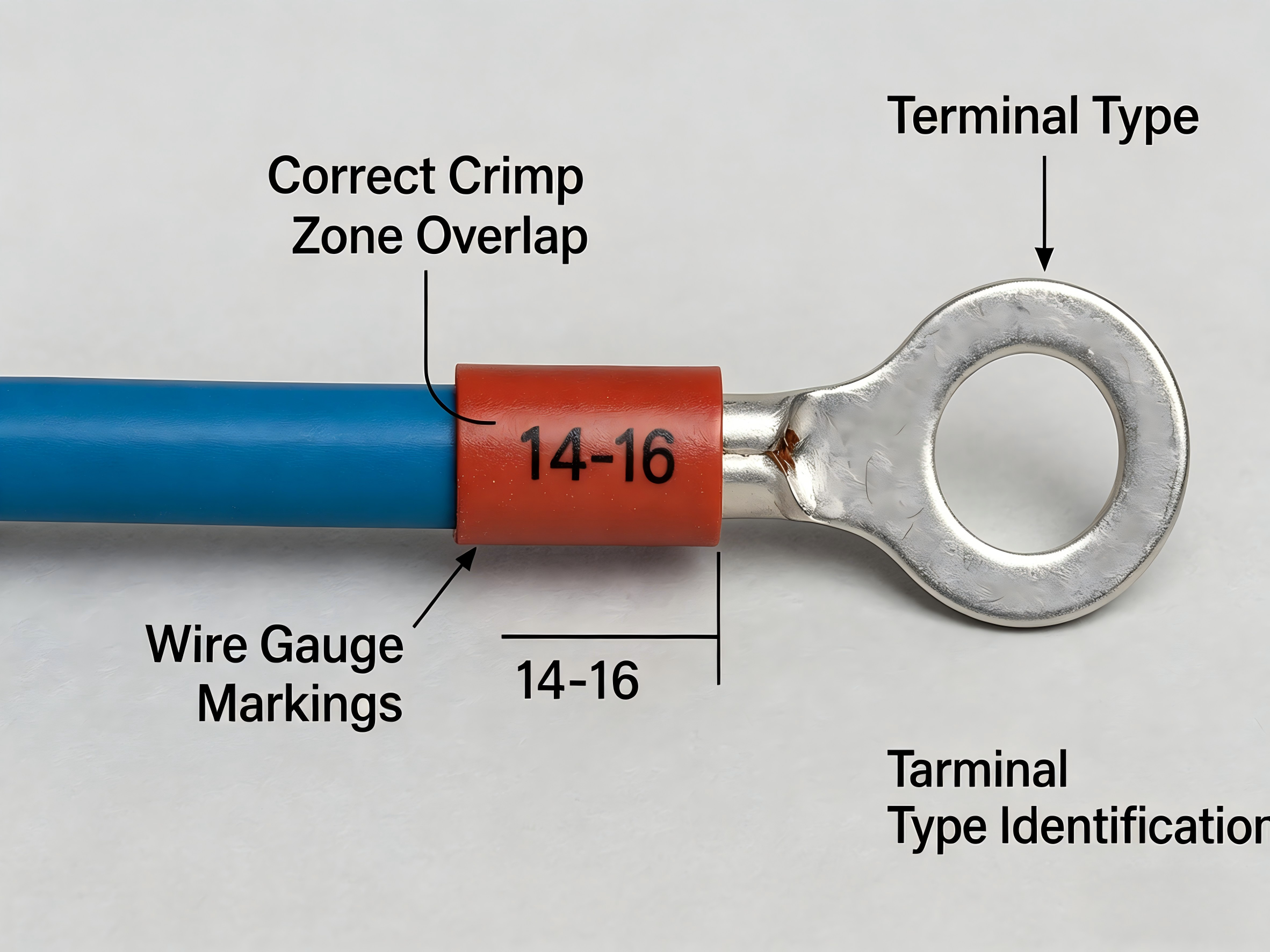
Understanding terminal types helps match the component to the specific application.
| Terminal Type | Description | Typical Use |
| Crimp Terminals | Compressed around the wire using a crimping tool | Automotive, industrial machinery, electrical panels |
| Solder Terminals | Wire is soldered for a permanent connection | PCB connections, electronics, high-vibration environments |
| Push-On / Quick Disconnect | Snap-on terminals for easy assembly/disassembly | Maintenance-heavy machinery, appliance wiring |
| PCB Terminals | Designed for printed circuit boards | Electronics, consumer devices |
| Ring & Spade Terminals | Secure connections for screws and bolts | Heavy-duty electrical panels, automotive ground connections |
Pro Tip: For custom voltage, current, or environmental requirements, consider custom terminals tailored to your project.
Key Criteria for Selecting the Right Terminal
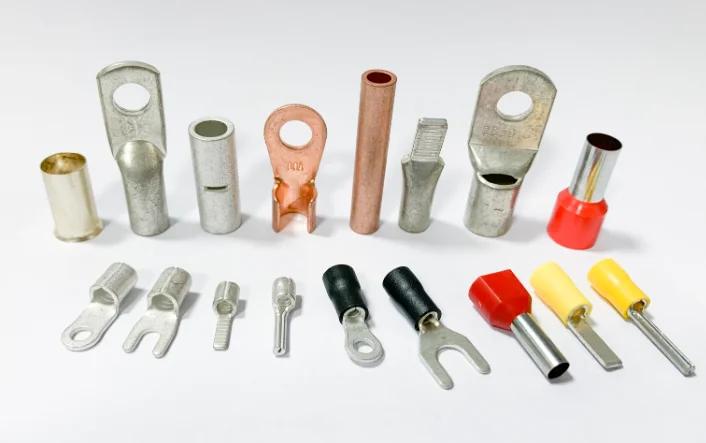
When choosing a terminal, consider the following factors:
Voltage and Current Rating: Ensure the terminal can safely carry the load without overheating.
Wire Gauge Compatibility: Match the terminal to the correct wire size for secure connections.
Material: Common materials include copper, brass, and nickel-plated metals for corrosion resistance and conductivity.
Environmental Conditions: High temperature, humidity, or chemical exposure requires specialized terminals.
Mechanical Strength & Vibration Resistance: Crucial for automotive, aerospace, and industrial machinery.
Certifications: UL, RoHS, and ISO standards ensure safety, quality, and compliance.
Installation and Reliability Considerations
Proper installation ensures the terminal performs as expected:
Crimping vs. Soldering: Use crimping tools for consistent mechanical connections; soldering is better for high-vibration or precision electronic applications.
Avoiding Common Mistakes: Over-crimping, under-crimping, or incorrect tool use can reduce reliability.
Impact on Longevity: Correct installation minimizes resistance, prevents overheating, and extends service life.
Tips for Choosing Custom Terminals
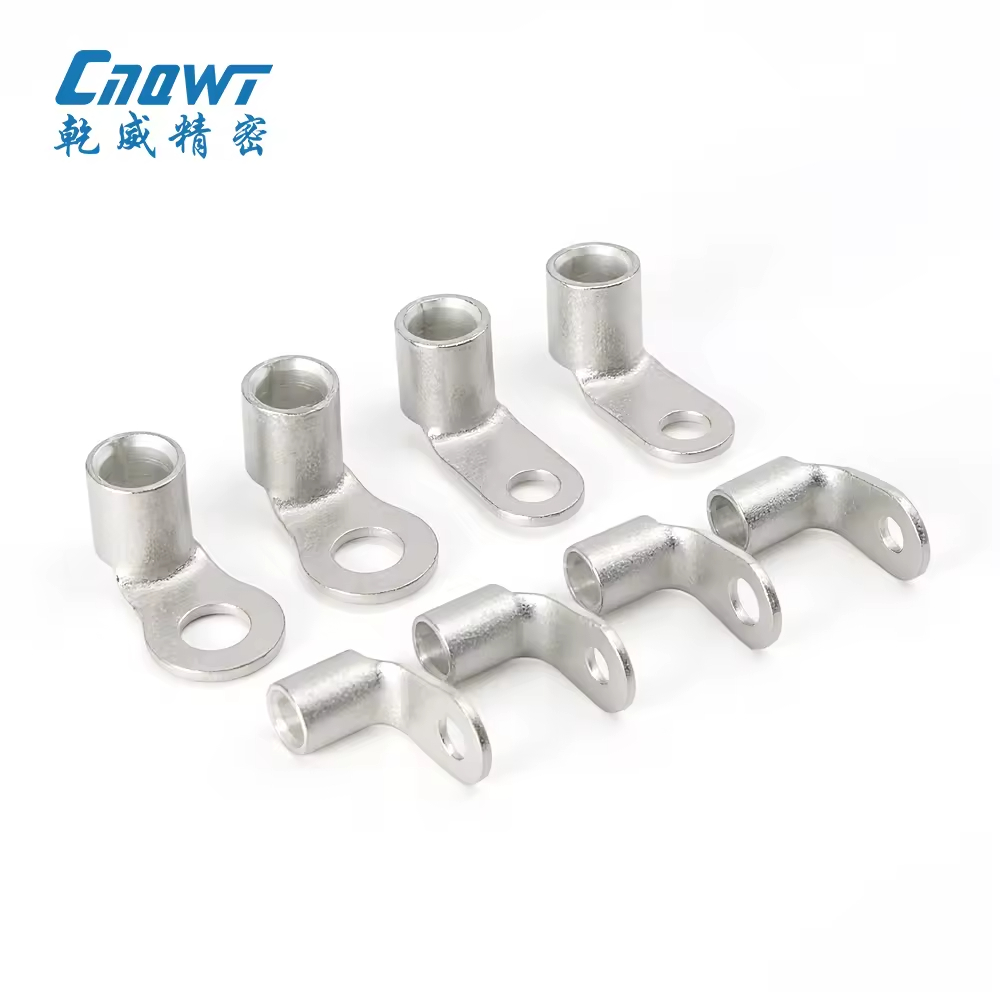
Sometimes, standard terminals do not meet unique project requirements. Consider custom terminals when:
Wire sizes or voltage/current ratings are non-standard
Harsh environmental conditions require specialized coatings or materials
Your application demands specific mechanical tolerances or connectors
Our factory provides high-quality custom terminals designed for precision, reliability, and compliance with industry standards.
Request Your Custom Terminal Quote Today
Common Mistakes and How to Avoid Them
Selecting a terminal without checking wire gauge compatibility
Ignoring environmental conditions such as heat, moisture, or chemicals
Using the wrong crimping or soldering tools
Failing to verify certifications or standards compliance
Avoiding these errors ensures safety, performance, and longevity of your electrical connections.
Conclusion
Selecting the right terminal is not just a technical necessity—it’s essential for safety, reliability, and operational efficiency. By understanding terminal types, considering application-specific criteria, and leveraging custom solutions when needed, you can ensure the best performance for your electrical systems.
Next Step: Contact our team today for expert guidance or custom terminal solutions tailored to your application.
FAQs
Q1: What is the difference between crimp and solder terminals?
A: Crimp terminals provide a mechanical connection with consistent pressure, while solder terminals offer a permanent, conductive joint.
Q2: How do I know which terminal is compatible with my wire?
A: Match the terminal’s wire gauge range and current rating to your wire specifications.
Q3: Can I use the same terminal for indoor and outdoor applications?
A: Only if it is rated for environmental conditions such as moisture, temperature, and corrosion resistance.
Q4: What certifications should I check before choosing a terminal?
A: UL, RoHS, and ISO certifications ensure safety and regulatory compliance.
Q5: How do custom terminals help with specialized applications?
A: They provide precise dimensions, enhanced performance, and material options tailored to unique voltage, current, or environmental requirements.

