

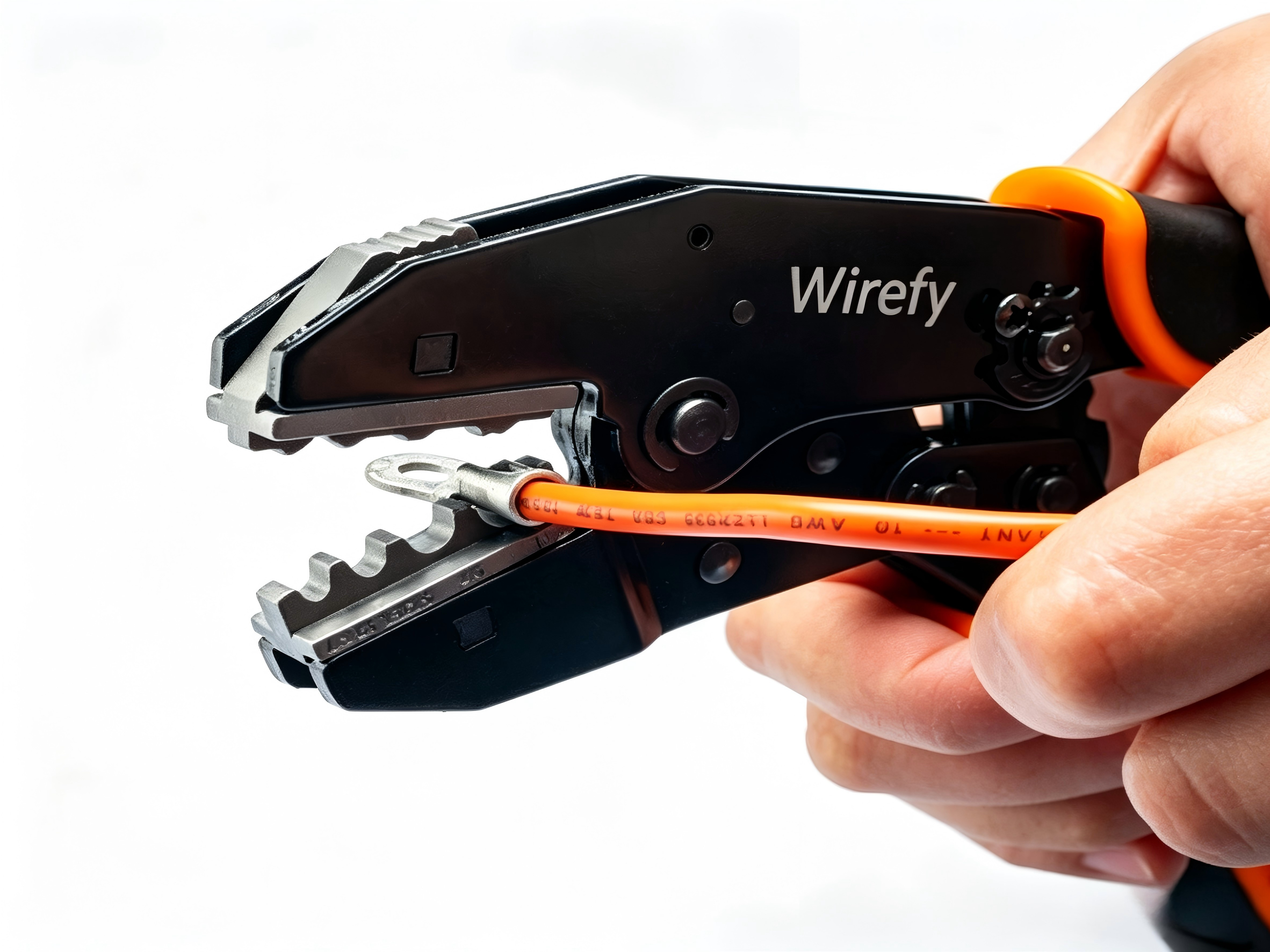
The quality of crimping terminals is essential to ensure reliable and secure electrical connections. Crimping is a key process that impacts the overall performance and longevity of electrical systems. For manufacturers, understanding and implementing the best crimping practices is vital for improving product quality, reducing defects, and optimizing mass production efficiency.
In this article, we will discuss the best practices for terminal crimping in high-volume production environments. By following these practices, manufacturers can achieve consistent, high-quality crimps, minimize waste, and enhance production efficiency.
1. Understanding Terminal Crimping
What is Terminal Crimping?
Terminal crimping is the process of attaching a metal terminal (such as a spade, ring, or fork terminal) to a wire using a crimping tool. The goal is to create a secure, permanent electrical connection by compressing the terminal onto the wire, ensuring a reliable and long-lasting connection.
Importance in Mass Production
In mass production, crimping is not just about attaching terminals; it’s about ensuring that each connection is secure and consistent. A poorly crimped terminal can lead to poor electrical conductivity, signal loss, or even complete failure of the electrical system. High-quality crimping ensures the reliability of products and is crucial in industries like automotive, electronics, telecommunications, and more.
2. Common Crimping Challenges in Mass Production
.jpg)
- Inconsistent Crimp Quality
In high-volume environments, maintaining consistent crimp quality across all units can be challenging. Factors like crimping force, tool wear, and human error can lead to inconsistent results, affecting the overall performance of the product.
- Misalignment of Terminal and Wire
Misalignment of the terminal and wire during the crimping process can cause poor contact between the two, leading to unreliable electrical connections. This issue is often exacerbated in fast-paced production environments.
- Incorrect Crimping Force
Using too much or too little crimping force can cause issues such as loose connections, wire damage, or incomplete crimps. Achieving the correct crimping force is crucial for ensuring a strong, reliable connection.
- Wear and Tear on Crimping Tools
Over time, crimping tools and dies can wear down, leading to defects in the crimping process. Regular maintenance and tool calibration are critical to maintaining crimping accuracy.
3. Best Practices for Terminal Crimping in Mass Production
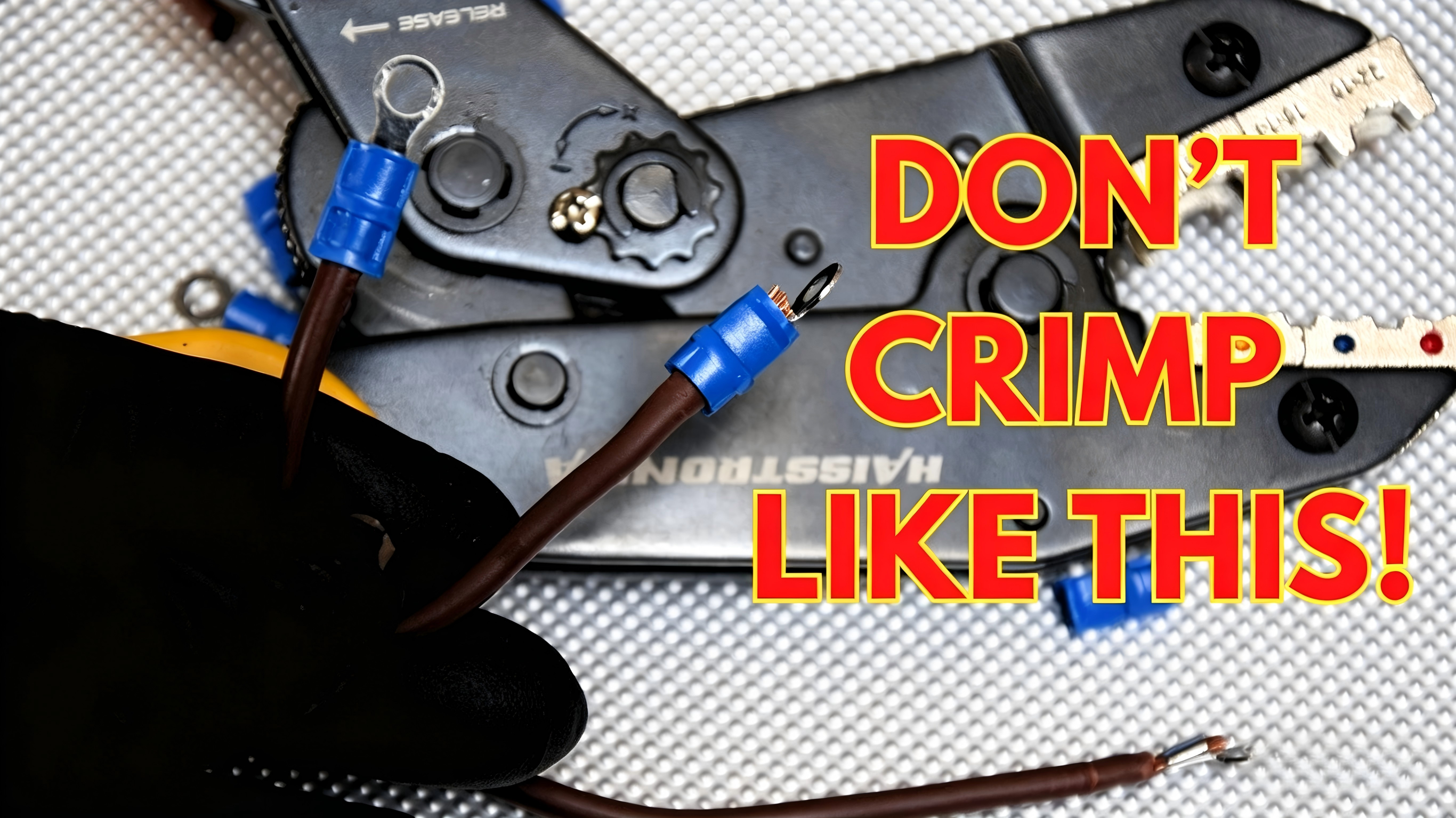
To ensure the highest quality crimps in mass production, manufacturers should adhere to the following best practices:
- Use High-Quality Materials
Choosing the right materials for both terminals and wires is the first step in ensuring a reliable crimp. Use terminals made from high-quality metals such as copper or brass, and select wires that are compatible with the crimping tool. The wire should have proper insulation to prevent damage during the crimping process.
- Maintain Correct Crimping Force
Crimping force is one of the most important factors in achieving a high-quality crimp. Too much force can damage the wire, while too little force can result in a loose connection. Use crimping tools that allow for adjustable force and ensure that the force applied is consistent across all crimps.
- Regular Tool Calibration
Crimping tools should be calibrated regularly to maintain accuracy and consistency. Calibration ensures that the tools are applying the correct crimping force and preventing defects caused by wear and tear. Be sure to follow the manufacturer’s guidelines for calibration intervals.
- Optimize Crimp Die Selection
The choice of crimping die is critical for achieving uniform crimps. Use the right die for the specific terminal and wire size. The die should match the terminal shape and wire diameter to ensure a proper fit and avoid uneven crimps. Also, regularly inspect and replace worn dies to maintain consistent crimping quality.
- Proper Tool Maintenance
Regular maintenance of crimping machines and hand tools is essential for consistent results. Ensure that all tools are cleaned and lubricated regularly to prevent malfunctions. Additionally, replace worn or damaged parts promptly to avoid production delays and defective crimps.
- Employee Training and Skill Development
Skilled operators are essential for maintaining high crimping quality. Regular training ensures that employees are familiar with the crimping process, equipment, and troubleshooting techniques. Encourage operators to follow standard operating procedures and perform regular quality checks to ensure consistency.
- Quality Control and Inspection
Implement a robust quality control system that includes both visual and mechanical inspections. Check each crimp for proper alignment, secure connection, and overall appearance. Using automated systems for inspecting crimped connections can help reduce human error and increase production efficiency.
4. Optimizing Efficiency in Terminal Crimping for Mass Production
Automation in Crimping
Automated crimping machines are becoming increasingly popular in high-volume production environments. These machines are capable of maintaining precise control over crimping force, alignment, and speed, ensuring that each terminal is crimped correctly. Automation not only improves the consistency of crimps but also speeds up the production process, reducing labor costs and increasing throughput.
Reducing Scrap and Waste
Efficient crimping practices reduce scrap and waste by ensuring that terminals are crimped correctly the first time. Use quality materials and ensure that the crimping process is optimized to minimize defective parts. Additionally, implementing a closed-loop quality control system can help identify defective parts early in the process, reducing waste.
Advanced Crimping Technologies
New technologies, such as AI-assisted crimping machines and sensors, are helping manufacturers optimize the crimping process. These systems can detect potential issues, such as inconsistent crimping force or misalignment, in real-time and make adjustments to maintain the quality of the crimps.
5. Industry Standards and Compliance for Terminal Crimping
Understanding Industry Standards
To ensure that crimped terminals meet safety, performance, and reliability standards, manufacturers must comply with industry regulations. Standards such as ISO 9001 (Quality Management Systems), SAE J2030 (Automotive Electrical Connectors), and UL 486A-486B (Wire Connectors) provide guidelines for crimping processes, materials, and testing methods.
Compliance and Certification
Following industry standards not only ensures product quality but also helps businesses avoid regulatory issues. Obtaining certifications from recognized industry bodies can also enhance your credibility and appeal to customers who value quality and reliability.
6. Conclusion
Terminal crimping is a critical process in electrical component manufacturing. By following best practices, such as using high-quality materials, maintaining correct crimping force, regularly calibrating tools, and automating the crimping process, manufacturers can improve production efficiency and product reliability. Ensuring adherence to industry standards and implementing a robust quality control system will further enhance the performance and consistency of crimped terminals.
By optimizing the terminal crimping process, manufacturers can achieve higher production efficiency, reduce defects, and meet the growing demand for high-quality electrical components. Contact us for more information.
7. Frequently Asked Questions (FAQ)
- What is the correct crimping force for terminals?
The correct crimping force depends on the wire and terminal size. Too much force can damage the wire, while too little can result in a loose connection. Ensure your crimping tool is calibrated for the correct force according to the manufacturer’s specifications. - How do I avoid common crimping defects in mass production?
To avoid defects, ensure proper tool calibration, regular maintenance, and use high-quality materials. Additionally, provide adequate operator training and implement robust quality control systems to catch defects early. - What equipment is needed for efficient terminal crimping?
For efficient terminal crimping, you need high-quality crimping tools, such as automated crimping machines, adjustable crimping force tools, and crimp dies that match the terminal and wire specifications. - How often should crimping tools be calibrated?
Crimping tools should be calibrated regularly based on usage. For high-volume production, calibration should be done weekly or bi-weekly, depending on the intensity of the crimping process. - Can automation improve terminal crimping quality?
Yes, automation can significantly improve crimping quality by maintaining consistent force, alignment, and speed. Automated systems reduce human error and increase production efficiency.


2 thoughts on “Terminal Crimping Best Practices for Mass Production”