

In today’s global electrical and electronics industry, UL certified terminals is quite important in ensuring product safety, regulatory compliance, and long-term electrical reliability. Whether used in industrial automation systems, EV charging equipment, appliances, energy storage systems, or wire harness assemblies, UL certified terminals help manufacturers meet North American safety standards while reducing the risks of overheating, electrical failure, and compliance issues.
For OEM manufacturers and buyers, understanding UL certification is essential when selecting terminal suppliers and designing products for the U.S. and Canadian markets. This guide explains what UL certified terminals are, the most common UL standards, how to verify compliance, and how to choose a reliable manufacturing partner for your projects.
What Are UL Certified Terminals?
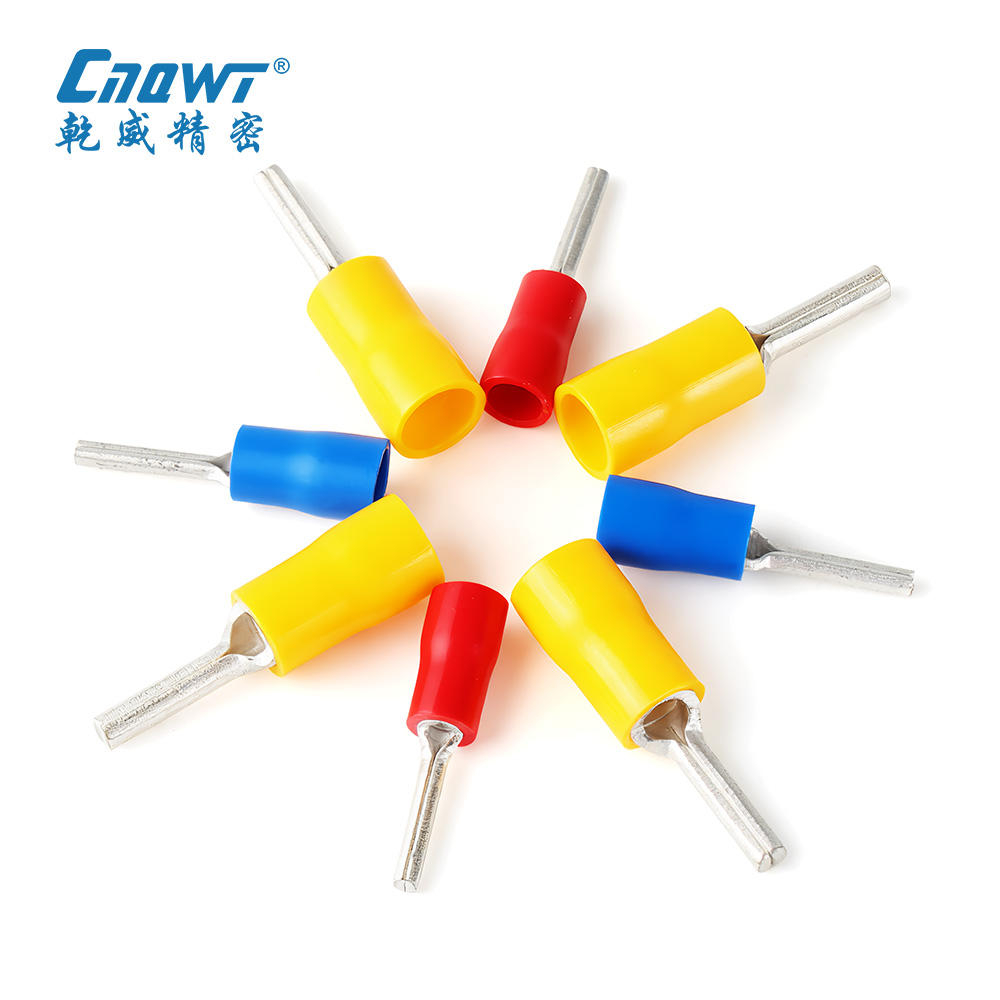
UL certified terminals are electrical connection components that have been tested and evaluated according to safety and performance standards established by Underwriters Laboratories (UL). These terminals are designed to provide secure electrical connections while meeting strict requirements for conductivity, temperature resistance, insulation performance, and mechanical reliability.
UL certification helps ensure that electrical terminals can operate safely under specified current and environmental conditions.
Common UL certified terminals include:
Fork terminals
PCB terminals
These products are widely used in:
Industrial equipment
Automotive electronics
Renewable energy systems
Telecommunications
HVAC systems
Consumer appliances
Power distribution equipment
Why UL Certification Matters for Electrical Terminals
UL certification is especially important for products entering the North American market. Many OEMs, contractors, and regulatory authorities require UL compliant components as part of their product approval process.
Enhanced Electrical Safety
UL testing evaluates whether terminals can safely carry electrical current without excessive heat buildup, insulation breakdown, or fire hazards.
Regulatory Compliance
Products sold in the United States and Canada often require UL compliant components to meet electrical safety regulations and customer specifications.
Improved Reliability
UL certified terminals are tested for:
Current carrying capability
Mechanical strength
Pull-out resistance
Temperature rise
Flame resistance
This helps reduce field failures and maintenance costs.
OEM Qualification
Many large OEMs and industrial customers only work with suppliers capable of providing UL compliant terminal solutions.
Common UL Standards for Terminals
Understanding UL standards is essential when sourcing terminals for industrial and commercial applications.
UL486A-486B
UL486A-486B is one of the most important standards for wire connectors and crimp terminals.
It covers:
Mechanical strength
Electrical conductivity
Pull-out force
Temperature performance
This standard is commonly applied to:
Ring terminals
Spade terminals
Butt connectors
UL1059
UL1059 applies primarily to terminal blocks and wiring terminals used in industrial control systems and electrical panels.
UL1977
UL1977 focuses on component connectors used in signal and power applications.
UL94
UL94 evaluates the flammability performance of plastic insulating materials used in terminals and connectors.
UL Listed vs UL Recognized: What’s the Difference?
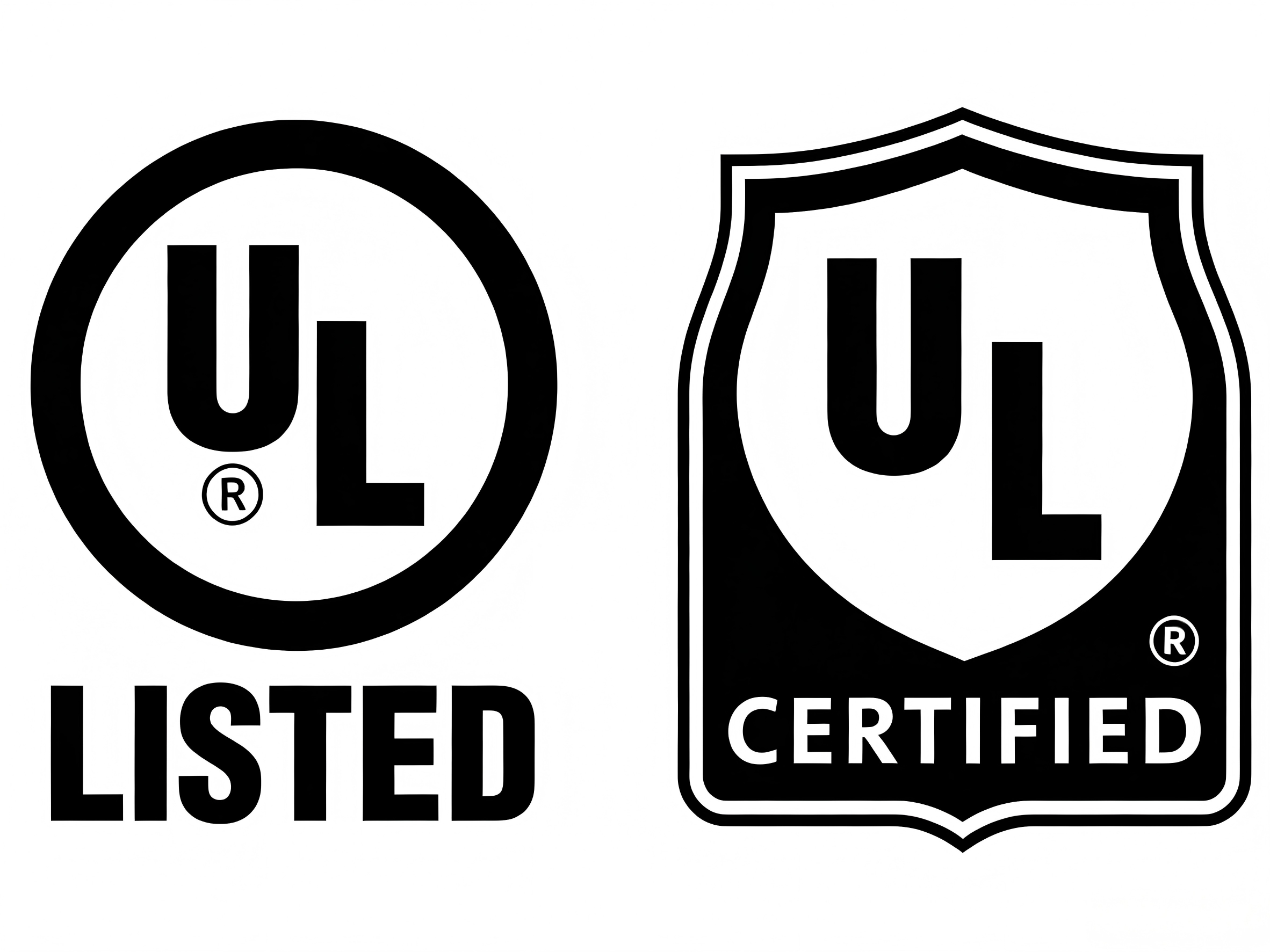
Many buyers confuse UL Listed and UL Recognized products. Understanding the difference is important during supplier evaluation.
| Feature | UL Listed | UL Recognized |
| Intended Use | Finished products | Components within systems |
| Certification Mark | UL Listed Mark | UR Recognized Mark |
| Application | End-user equipment | Internal OEM components |
| Inspection Requirements | Full product evaluation | Component-level evaluation |
For terminal manufacturers, UL Recognized components are commonly used in OEM assemblies and industrial equipment.
How to Verify Whether a Terminal Is Truly UL Certified
Because counterfeit or misleading certification claims exist in the market, buyers should always verify UL compliance carefully.
Check the UL File Number
Legitimate UL certified manufacturers should provide a valid UL file number for verification.
Verify Through UL Product iQ
The UL Product iQ database allows users to confirm certification status and product scope.
Confirm Product Markings
UL compliant terminals typically include approved certification markings and traceability information.
Evaluate Supplier Quality Systems
Reliable manufacturers maintain:
Material traceability
Incoming inspection procedures
Process control systems
Final product testing
Materials Used in UL Certified Terminals
Material selection directly affects terminal performance, conductivity, and long-term durability.
Copper
Copper offers excellent electrical conductivity and is widely used in high-performance terminals.
Brass
Brass provides good machinability, corrosion resistance, and mechanical strength.
Phosphor Bronze
Phosphor bronze is often used in spring-contact applications requiring elasticity and conductivity.
Tin Plating
Tin plating improves corrosion resistance and solderability.
Nickel Plating
Nickel plating provides enhanced wear resistance and high-temperature performance.
Industries That Use UL Certified Terminals
UL certified terminals are critical in industries where electrical safety and reliability are essential.
EV Charging Systems
Electric vehicle charging infrastructure requires high-reliability electrical connections capable of handling high current loads.
Energy Storage Systems
Battery energy storage systems require stable and safe terminal connections for long-term operation.
Industrial Automation
Industrial control systems rely on consistent terminal performance in demanding environments.
HVAC Equipment
HVAC systems require durable terminals resistant to vibration and temperature changes.
Telecommunications
Telecom equipment depends on reliable low-resistance electrical connections.
Consumer Appliances
Many household appliances sold in North America require UL compliant electrical components.
How to Choose a Reliable UL Terminal Manufacturer
Selecting the right manufacturing partner is just as important as selecting the right terminal design.
Manufacturing Capability
A reliable supplier should have advanced production equipment capable of maintaining precision tolerances and consistent quality.
Engineering Support
Experienced manufacturers can assist customers with:
Custom terminal development
Material selection
Design optimization
Prototype support
Quality Control Systems
Strong quality management systems help ensure stable product performance and traceability.
Tooling Expertise
In-house tooling capability allows faster development cycles and better dimensional consistency.
Export Experience
Manufacturers familiar with North American compliance requirements can better support OEM customers and international projects.
Why Many OEM Buyers Choose Qianwei Precision
As a professional precision manufacturing company, Qianwei Precision provides high-quality terminal manufacturing solutions for industrial and electrical applications.
The company focuses on:
Precision terminal manufacturing
Custom metal stamping
Plastic injection molding
Surface treatment solutions
High-volume production
Strict quality control
Qianwei Precision supports customers across multiple industries, including:
Industrial automation
Automotive electronics
Energy storage
Electrical equipment
Consumer products
Key advantages include:
Precision Manufacturing Capability
Qianwei Precision uses advanced production equipment to maintain tight tolerances and consistent terminal quality.
Material Traceability
The company implements strict material inspection and traceability systems to support product reliability and compliance requirements.
Surface Treatment Expertise
Qianwei Precision offers multiple plating and finishing options, including tin plating and nickel plating, to improve corrosion resistance and electrical performance.
Custom OEM Solutions
The engineering team supports custom terminal development based on customer drawings, specifications, and application requirements.
Reliable Production Capacity
The factory supports both prototype development and large-scale production for global OEM customers.
For more information about custom terminal manufacturing solutions, visit:
Common Problems with Non-Certified Terminals
Using low-quality or non-certified terminals can create serious risks.
Overheating
Poor conductivity and insufficient material quality can lead to excessive heat buildup.
Loose Crimp Connections
Inconsistent manufacturing tolerances may cause unreliable crimp performance.
Corrosion Issues
Low-quality plating can reduce terminal lifespan and increase resistance.
Compliance Failures
Products using non-compliant terminals may fail inspections or certification processes.
Increased Liability Risks
Electrical failures can lead to safety hazards, warranty claims, and product recalls.
Conclusion
UL certified terminals are essential for ensuring electrical safety, regulatory compliance, and long-term product reliability in today’s industrial and electrical markets. Whether used in EV charging systems, industrial automation, telecommunications, or consumer appliances, selecting the right terminal solution and manufacturing partner is critical.
For OEM buyers and engineers, working with an experienced manufacturer helps reduce compliance risks while ensuring consistent product quality and reliable supply.
With advanced manufacturing capabilities, precision production systems, and strong engineering support, Qianwei Precision helps global customers develop reliable terminal solutions for demanding industrial applications.
FAQs
1. Are UL certified terminals mandatory?
In many North American applications, UL compliant components are strongly recommended or required by OEMs and regulatory standards.
2. What is UL486A-486B?
UL486A-486B is a UL standard covering wire connectors and solderless terminals.
3. How can I verify UL certification?
You can verify certification through the UL Product iQ database and by checking the manufacturer’s UL file number.
4. What is the difference between UL Listed and UL Recognized?
UL Listed applies to complete products, while UL Recognized applies to components used within larger systems.
5. Do UL certified terminals cost more?
UL certified terminals may have slightly higher costs due to testing and quality requirements, but they provide greater reliability and compliance assurance.
6. Can custom terminals be UL certified?
Yes. Many manufacturers can support UL compliant custom terminal solutions depending on design and application requirements.


One thought on “UL Certified Terminals: The Complete Guide for Manufacturers and Buyers in 2026”