

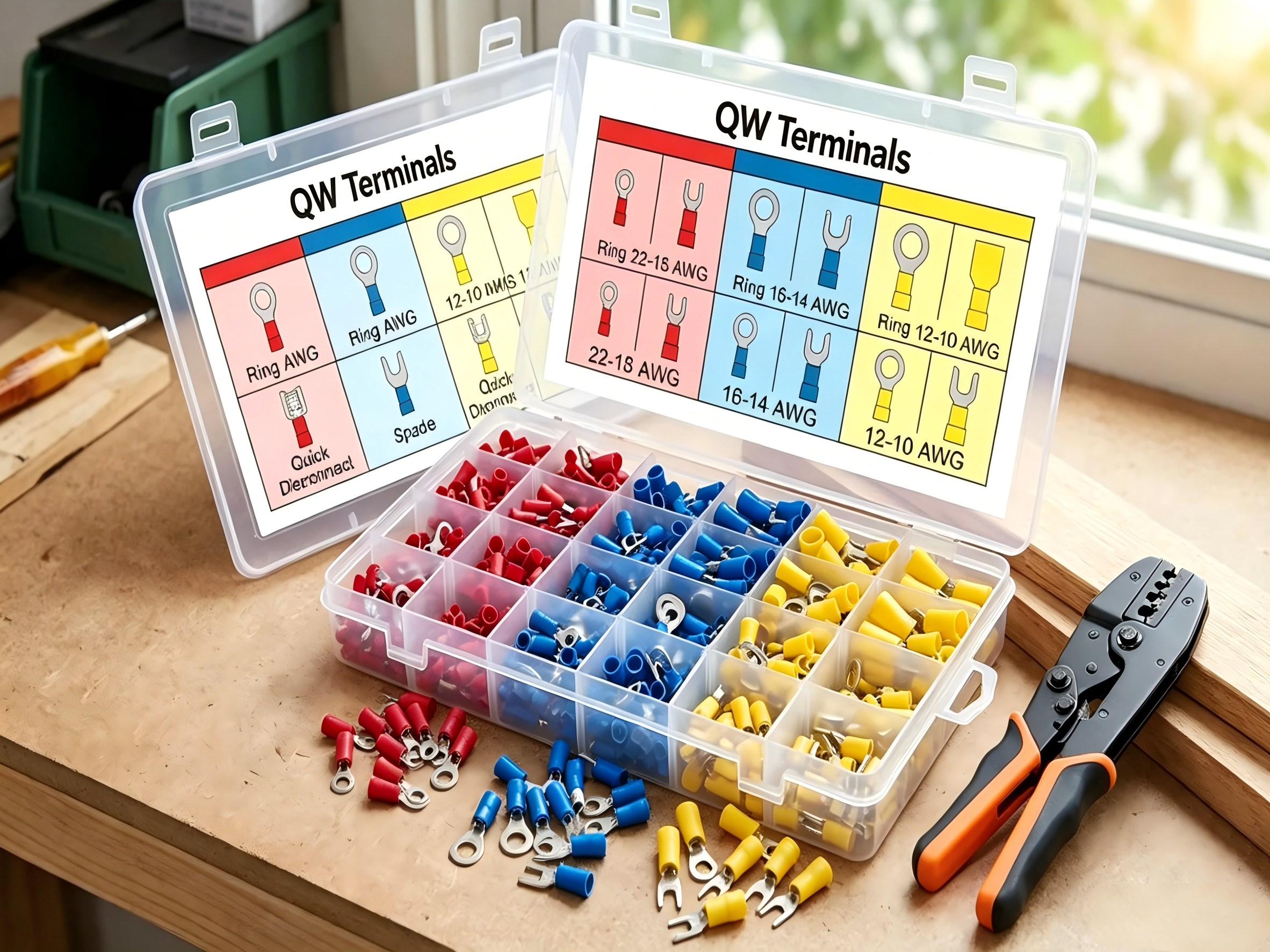
Electrical terminals ensuring safe and reliable electrical connections across industrial equipment, power systems, automotive electronics, renewable energy installations, HVAC systems, and automation equipment. For manufacturers and buyers targeting the Canadian and North American markets, CSA certification is one of the most important compliance requirements for electrical terminals.
CSA-certified electrical terminals must meet strict safety, electrical, thermal, and mechanical performance standards established by CSA Group. These standards help ensure product reliability, reduce fire and electrical hazards, and support compliance with Canadian electrical regulations.
In this guide, we will explain what CSA certification is, why it matters for electrical terminals, the testing and approval process, key CSA standards, differences between CSA and UL certification, and how to choose a reliable CSA-certified terminal manufacturer for your projects.
What Is CSA Certification?
CSA certification refers to product testing and approval conducted according to standards developed by the CSA Group. CSA stands for the Canadian Standards Association, an internationally recognized organization that develops safety and performance standards for electrical, industrial, mechanical, and consumer products.
For electrical terminals, CSA certification verifies that the products meet applicable safety requirements for:
Electrical conductivity
Current carrying capacity
Insulation performance
Mechanical strength
Temperature resistance
Fire safety
Environmental durability
Products that successfully pass CSA testing can carry the CSA certification mark, indicating compliance with Canadian electrical safety standards.
CSA-certified electrical terminals are widely used in:
Industrial automation systems
Power distribution equipment
HVAC systems
Renewable energy systems
EV charging infrastructure
Rail transportation
Telecommunications equipment
Consumer electrical products
Why Electrical Terminals Need CSA Certification
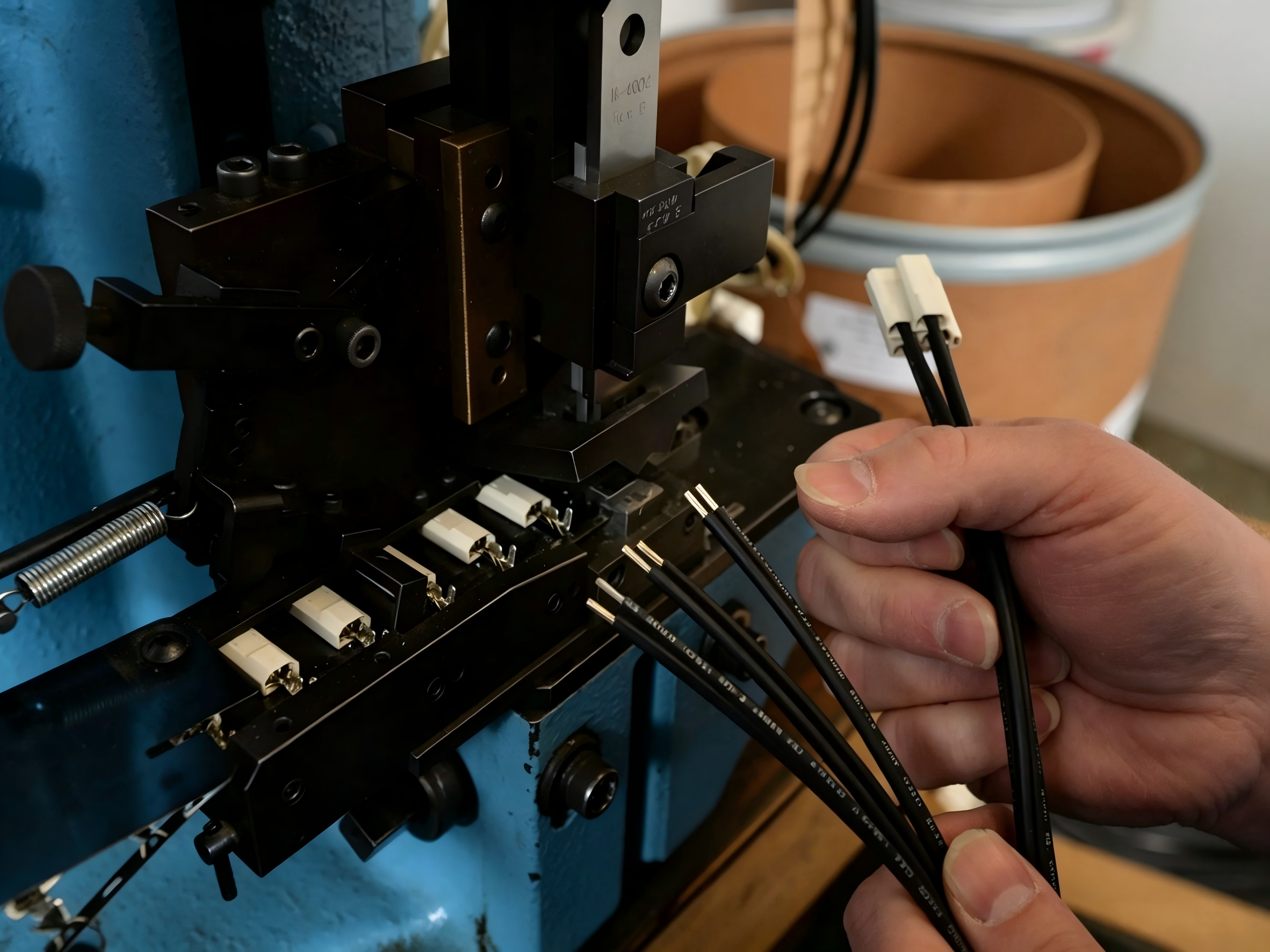
CSA certification is not simply a marketing advantage. In many industries and applications, it is a critical compliance requirement.
1. Compliance With Canadian Electrical Codes
Electrical products installed in Canada often must comply with Canadian electrical regulations and safety codes. CSA-certified terminals help equipment manufacturers meet these requirements more efficiently.
Without proper certification, products may face:
Import restrictions
Inspection failures
Project rejection
Delayed approvals
Increased liability risks
2. Improved Electrical Safety
Poor-quality terminals can cause:
Overheating
Loose connections
Electrical arcing
Short circuits
Fire hazards
CSA testing helps ensure terminals can maintain reliable electrical connections under real-world operating conditions.
3. Increased Buyer Confidence
Distributors, OEMs, and industrial buyers often prefer CSA-certified terminals because certification demonstrates:
Verified safety performance
Manufacturing consistency
Compliance documentation
Reduced operational risk
For B2B buyers, certification is often a key supplier qualification requirement.
4. Easier Access to North American Markets
CSA-certified terminals are commonly accepted across Canada and recognized in many North American industrial applications.
For overseas manufacturers exporting to Canada, CSA certification can significantly improve market competitiveness.
Common CSA Standards for Electrical Terminals
Different types of terminals and connectors may fall under different CSA standards depending on their application and design.
Below are some commonly referenced standards related to electrical terminals and connectors.
| CSA Standard | Application | Description |
| CSA C22.2 No. 65 | Wire connectors | Safety requirements for wire connectors |
| CSA C22.2 No. 158 | Terminal blocks | Requirements for terminal blocks |
| CSA C22.2 No. 0 | General requirements | General safety requirements for electrical equipment |
| CSA C22.2 No. 182.3 | Special-use attachment plugs | Connector and attachment device requirements |
| CSA C22.2 No. 286 | Industrial control equipment | Electrical control component requirements |
Manufacturers should determine the correct standard based on:
Terminal design
Voltage rating
Current capacity
Intended application
Environmental conditions
CSA Certification Testing Process for Electrical Terminals
To achieve CSA certification, electrical terminals must pass rigorous testing procedures designed to evaluate long-term safety and reliability.
Below are the major testing categories commonly involved.
Electrical Conductivity Testing
Electrical terminals must demonstrate stable conductivity under rated current conditions.
Testing evaluates:
Contact resistance
Voltage drop
Current carrying capability
Connection stability
Low resistance and stable electrical performance are essential for preventing overheating and energy loss.
Temperature Rise Testing
Excessive heat generation is one of the most common causes of electrical connection failure.
CSA temperature rise testing evaluates whether the terminal remains within safe operating temperature limits during continuous electrical loading.
Factors affecting temperature performance include:
Material conductivity
Surface plating quality
Crimping integrity
Contact area design
Copper terminals with high-quality tin plating are commonly used to improve thermal performance and corrosion resistance.
Mechanical Strength Testing
Electrical terminals experience vibration, tension, and mechanical stress during operation.
CSA testing may include:
Pull-out force testing
Torque testing
Vibration resistance
Mechanical durability evaluation
These tests ensure reliable wire retention and long-term connection stability.
Insulation Resistance Testing
For insulated terminals, insulation materials must maintain reliable dielectric performance.
Testing evaluates:
Insulation breakdown resistance
Dielectric strength
Leakage current performance
Heat resistance
Common insulation materials include:
Nylon
PVC
Polycarbonate
Heat-resistant thermoplastics
Flame Resistance Testing
Electrical components used in industrial or commercial applications often require flame-retardant performance.
CSA testing may evaluate:
Flame spread resistance
Self-extinguishing capability
Heat deformation resistance
This is especially important for:
Industrial control panels
Building electrical systems
Transportation equipment
Corrosion Resistance Testing
Terminals used in harsh environments must resist corrosion caused by:
Moisture
Salt spray
Chemicals
Industrial contaminants
Testing may involve salt spray exposure and environmental aging simulations.
High-quality surface plating is critical for long-term reliability.
CSA vs UL Certification: What’s the Difference?
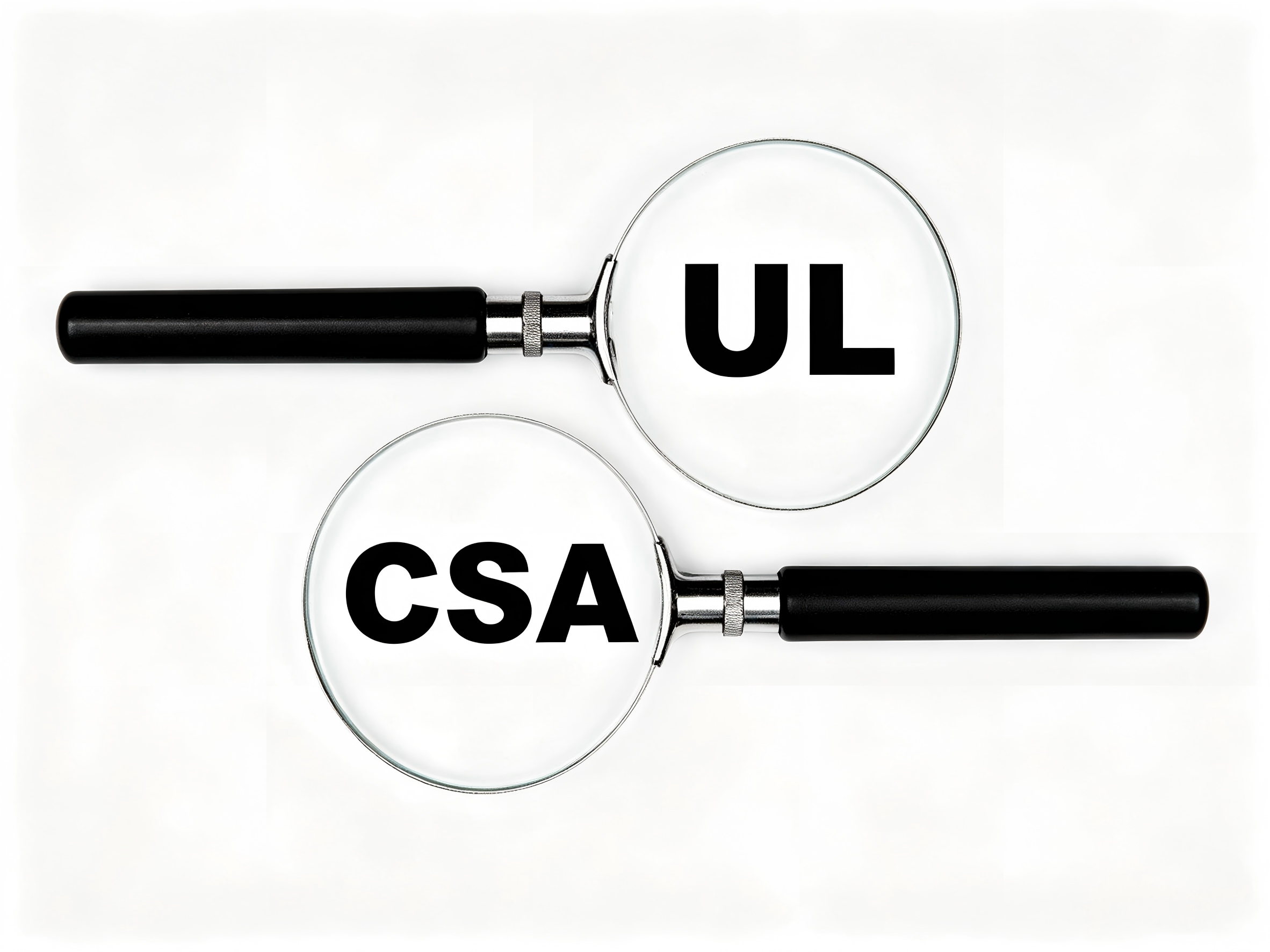
Many buyers compare CSA certification and UL certification when sourcing electrical terminals.
Although both focus on electrical safety, there are important differences.
| Feature | CSA Certification | UL Certification |
| Primary Market | Canada | United States |
| Organization | CSA Group | UL Solutions |
| Main Focus | Canadian compliance | US compliance |
| Electrical Standards | Canadian standards | US standards |
| Acceptance | Canada & some US markets | US & some Canadian markets |
| Typical Applications | Canadian electrical systems | US electrical systems |
In many industrial applications, buyers prefer suppliers capable of supporting both CSA and UL compliance requirements.
Manufacturers with experience in North American compliance standards are often more attractive to OEMs and distributors.
How to Verify Whether Electrical Terminals are CSA Certified
Buyers should always verify certification authenticity before purchasing electrical terminals.
Key Verification Methods
Check the CSA Marking
Certified products should display:
CSA logo
Certification file number
Applicable ratings
Request Certification Documentation
Reliable manufacturers should provide:
Certification reports
Product specifications
Compliance documentation
Testing records
Verify Product Scope
Certification may only apply to specific:
Models
Materials
Configurations
Voltage ratings
Always confirm that the purchased product matches the certified configuration.
Evaluate Supplier Quality Systems
Experienced manufacturers typically maintain:
ISO-certified quality systems
Material traceability
Incoming inspection procedures
Process control systems
These systems help maintain long-term compliance consistency.
Materials Commonly Used in CSA-Certified Electrical Terminals
Material selection plays a major role in CSA certification performance.
Copper
Copper is widely used because of its:
Excellent conductivity
High current carrying capability
Strong thermal performance
Tinned copper terminals are especially common in industrial applications.
Brass
Brass offers:
Good mechanical strength
Corrosion resistance
Machining stability
Brass terminals are commonly used in control systems and connector applications.
Tin Plating
Tin plating improves:
Corrosion resistance
Solderability
Surface conductivity
It is one of the most common surface finishes for electrical terminals.
Nickel Plating
Nickel plating provides:
Enhanced wear resistance
Improved high-temperature performance
Better corrosion protection
It is often used in harsh industrial environments.
Nylon and PVC Insulation
Insulation materials must withstand:
Heat
Electrical stress
Mechanical deformation
Nylon-insulated terminals are often preferred for higher-temperature industrial applications.
Industries That Require CSA-Certified Terminals
CSA-certified electrical terminals are widely used across many industries.
Industrial Automation
Reliable terminals are essential for:
PLC systems
Industrial controls
Sensor wiring
Robotics equipment
Renewable Energy
Solar and energy storage systems require terminals capable of handling:
High current loads
Outdoor exposure
Long service life
EV Charging Infrastructure
Electric vehicle charging systems demand:
Stable conductivity
Heat resistance
High reliability
Certification compliance is especially important in EV infrastructure projects.
HVAC Systems
Heating and cooling equipment uses terminals in:
Compressors
Control systems
Power distribution
Motors
Rail and Transportation
Transportation systems require highly durable terminals resistant to:
Vibration
Temperature variation
Moisture exposure
How to Choose a Reliable CSA-Certified Terminal Manufacturer
Selecting the right supplier is critical for ensuring product quality and long-term project reliability.
Manufacturing Capability
Evaluate whether the manufacturer has:
Precision stamping capability
Automated production lines
Mold development capability
Stable mass production capacity
Manufacturing consistency directly impacts certification reliability.
Quality Control Systems
Reliable manufacturers should implement:
Incoming material inspection
In-process quality control
Final inspection procedures
Traceability systems
Consistent quality control reduces failure risks.
Engineering Support
Experienced terminal manufacturers can provide:
Material recommendations
Design optimization
Application guidance
Compliance support
Engineering capability is especially important for OEM projects.
Customization Capability
Many industrial projects require customized terminals based on:
Wire size
Current rating
Mounting requirements
Environmental conditions
Manufacturers with OEM and ODM experience can better support custom applications.
Export Experience
Suppliers familiar with North American markets generally understand:
CSA requirements
Documentation standards
Packaging compliance
International logistics
This helps reduce sourcing risks.
Why Choose QW Terminals
As a professional terminal manufacturer, QW Terminals provides a wide range of electrical terminal solutions for industrial and commercial applications.
QW Terminals focuses on:
Precision terminal manufacturing
Stable product quality
OEM and custom terminal solutions
Strict quality control
Reliable material sourcing
Support for international compliance projects
Our company supplies various terminal types, including:
Fork terminals
Wire connectors
Customized electrical terminals
With growing demand for CSA-compliant electrical components in North America, working with an experienced manufacturing partner can help buyers improve supply chain stability and reduce compliance risks.
Conclusion
CSA certification plays a critical role in ensuring the safety, reliability, and compliance of electrical terminals used in Canadian and North American markets. From conductivity and temperature testing to insulation and corrosion resistance evaluation, CSA-certified terminals must meet strict performance standards to ensure long-term operational safety.
For OEMs, distributors, and industrial buyers, choosing a reliable terminal manufacturer with strong quality control and compliance experience is essential for reducing sourcing risks and improving product reliability.
As global demand for compliant electrical components continues to grow, manufacturers that understand CSA standards, material performance, and industrial application requirements will remain better positioned to support modern electrical and industrial systems.
To learn more about industrial terminal solutions and custom manufacturing capabilities, visit QW Terminals.
FAQs
1.Is CSA certification mandatory for electrical terminals in Canada?
In many applications, electrical products installed in Canada must comply with applicable Canadian electrical safety standards. CSA certification is commonly required or strongly preferred.
2.What is the difference between CSA and UL certification?
CSA primarily focuses on Canadian standards, while UL mainly focuses on US standards. Both organizations provide electrical safety certification services.
3.How can I verify whether a terminal is CSA certified?
You can verify certification by checking:
CSA markings
Certification documentation
Product model scope
Supplier compliance records
4.Are CSA-certified terminals accepted in the United States?
Acceptance depends on the application and local regulations. Some CSA-certified products may also be accepted in US markets, especially if they meet harmonized standards.
5.What materials are commonly used in CSA-certified terminals?
Common materials include:
Copper
Brass
Tin-plated copper
Nickel-plated metals
Nylon insulation
PVC insulation
6.Why do OEMs prefer certified terminals?
Certified terminals help reduce:
Safety risks
Compliance issues
Product failures
Warranty claims
They also improve buyer confidence and simplify project approvals.

