

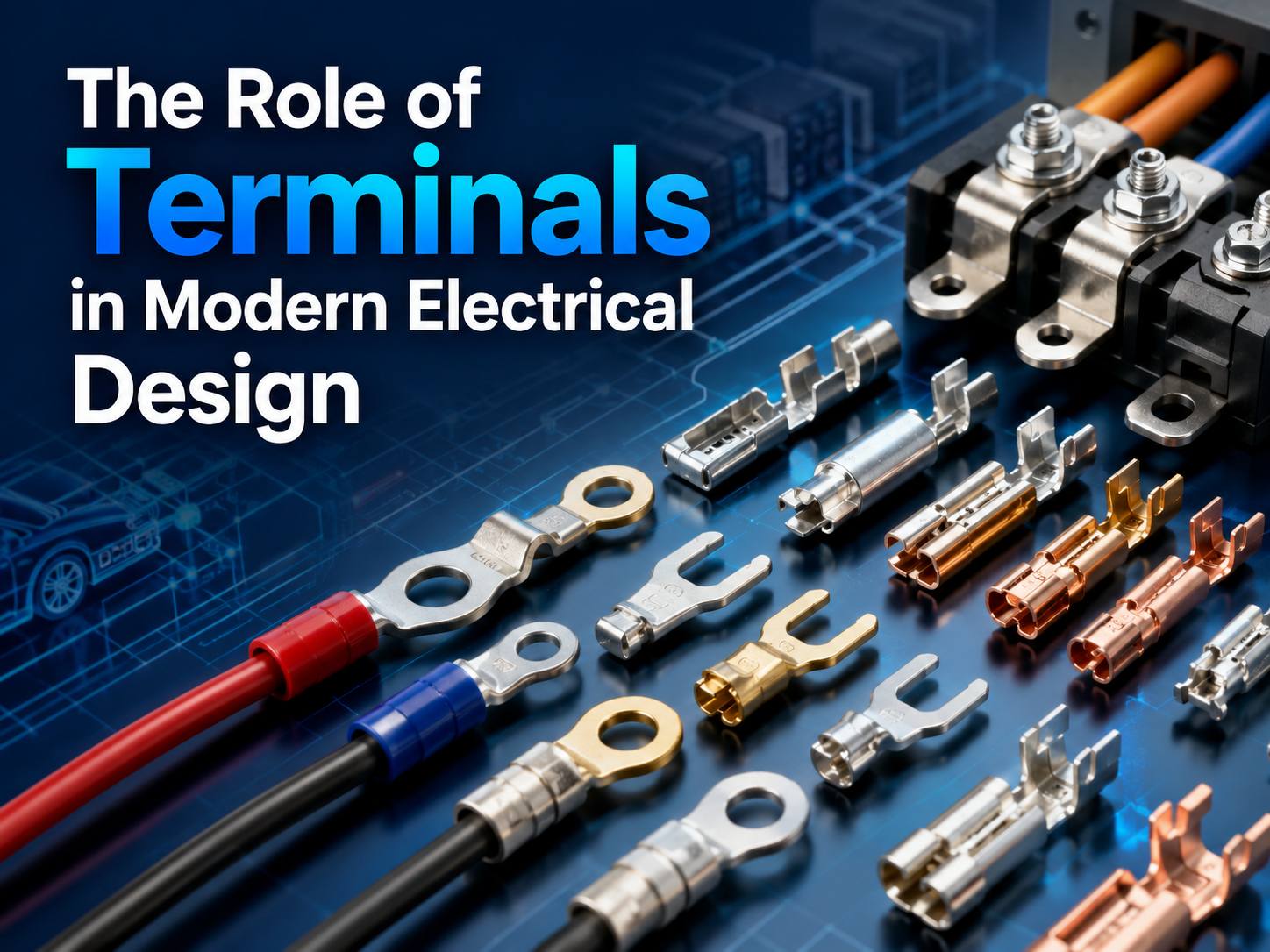
Modern electrical systems are becoming more compact, powerful, and interconnected than ever before. From electric vehicles and industrial automation to renewable energy systems and AI data centers, engineers face increasing demands for higher efficiency, greater reliability, and enhanced safety.
While components like controllers, sensors, batteries, and circuit boards often receive the most attention, one small yet critical element is frequently overlooked—the electrical terminal.
Electrical terminals serve as the connection points that allow electricity to flow safely and efficiently throughout a system. A poorly selected or improperly manufactured terminal can lead to excessive resistance, overheating, voltage drops, intermittent failures, and costly downtime. Conversely, a well-designed terminal improves electrical performance, simplifies assembly, and extends the lifespan of the entire system.
This article explores the role of electrical terminals in modern electrical design, explaining why they matter, how they influence system performance, and what engineers should consider when selecting the right terminal solution.
What Are Electrical Terminals?
An electrical terminal is a conductive component used to connect wires, cables, or electrical devices within a circuit. It provides both an electrical path for current flow and a mechanical connection that keeps conductors securely in place.
Although terminals are relatively small components, they are found in almost every electrical product, including:
- Automotive wiring harnesses
- Industrial control cabinets
- Consumer electronics
- Medical devices
- Telecommunications equipment
- Renewable energy systems
- Data center power distribution
Unlike connectors, which typically consist of multiple terminals housed within an insulating shell, a terminal refers specifically to the metal contact responsible for conducting electricity.

Primary Functions of Electrical Terminals
Electrical terminals perform several essential functions:
- Create secure electrical connections
- Ensure stable current transmission
- Maintain mechanical retention between conductors
- Simplify installation and maintenance
- Support modular electrical designs
- Improve overall system reliability
Without reliable terminals, even the most advanced electrical system cannot perform consistently.
Why Terminals Are Essential in Modern Electrical Design
Modern electrical design extends beyond simply connecting wires. Engineers must optimize performance, durability, manufacturability, and long-term reliability. Electrical terminals play a direct role in achieving these objectives.
Ensuring Reliable Electrical Connections
Every electrical connection introduces a certain amount of resistance. High-quality terminals minimize contact resistance, allowing current to flow efficiently while reducing energy losses.
Reliable electrical connections also help maintain stable voltage levels throughout the system, which is especially important in sensitive electronic equipment.
Improving Electrical Safety
Loose or poorly designed connections are among the most common causes of electrical failures.
A properly selected terminal helps prevent:
- Loose wire connections
- Excessive heat generation
- Electrical arcing
- Short circuits
- Fire hazards
This is particularly important in high-current applications such as EV battery systems and industrial machinery.
Increasing System Reliability
Modern equipment often operates under demanding conditions, including:
- Continuous vibration
- High temperatures
- Moisture
- Dust
- Chemical exposure
Well-designed terminals maintain consistent contact pressure even under these harsh environments, reducing the risk of intermittent electrical failures.
How Terminals Influence Electrical Performance
The quality of a terminal affects much more than simply connecting two wires. It directly impacts electrical efficiency, thermal performance, and mechanical durability.
Current-Carrying Capacity
Every terminal has a maximum current rating.
Selecting a terminal that is too small can result in:
- Excessive heat
- Higher resistance
- Insulation damage
- Reduced service life
Engineers should always match the terminal to the expected current load and wire gauge.
Contact Resistance
Contact resistance is one of the most critical factors in electrical performance.
Lower contact resistance means:
- Less heat generation
- Lower power loss
- Improved energy efficiency
- Greater system stability
Factors affecting contact resistance include:
- Material conductivity
- Surface plating
- Contact pressure
- Crimp quality
- Surface cleanliness
Even a slight increase in resistance can significantly reduce performance in high-current applications.
Temperature Performance
Electrical terminals must withstand both ambient temperatures and the heat generated during operation.
Modern applications such as EV charging systems, industrial drives, and renewable energy equipment often require terminals capable of operating from -40°C to +125°C or even higher.
Materials and plating must maintain their electrical and mechanical properties throughout repeated thermal cycles.
Mechanical Durability
Electrical connections are often subjected to vibration, movement, and repeated assembly.
Durable terminals provide:
- Strong wire retention
- Stable contact force
- Long mating life
- Resistance to fatigue
This is especially important in automotive, aerospace, and transportation systems.
Material Selection Matters
The performance of an electrical terminal begins with its material. Different alloys offer different balances of conductivity, strength, elasticity, and corrosion resistance.
Copper
Copper is widely recognized for its excellent electrical conductivity.
Advantages include:
- High conductivity
- Low resistance
- Excellent thermal performance
Copper terminals are commonly used in power distribution and general electrical applications.
Brass
Brass provides a balance between conductivity, mechanical strength, and manufacturing cost.
Typical applications include:
- Household appliances
- Consumer electronics
- Industrial equipment
Phosphor Bronze
Phosphor bronze combines good conductivity with excellent spring properties.
Benefits include:
- Better fatigue resistance
- Stable contact force
- Good corrosion resistance
These characteristics make it ideal for automotive connectors and precision electronic equipment.
Beryllium Copper
For demanding applications, beryllium copper offers outstanding strength and elasticity while maintaining excellent conductivity.
It is commonly used in:
- Aerospace
- Medical equipment
- High-reliability connectors
- Precision electronic devices
Surface Plating
Surface plating significantly affects terminal performance.
Common plating options include:
| Plating | Primary Benefit | Typical Applications |
|---|---|---|
| Tin | Cost-effective corrosion protection | General industrial |
| Nickel | High-temperature resistance | Automotive |
| Silver | Excellent conductivity | High-current power systems |
| Gold | Superior corrosion resistance and signal reliability | Communication and medical devices |
Selecting the appropriate plating helps extend service life while maintaining stable electrical performance.
Common Types of Electrical Terminals Used Today
Different applications require different terminal designs.
| Terminal Type | Typical Applications | Main Advantage |
|---|---|---|
| Ring Terminals | Power distribution | Secure fastening |
| Spade (Fork) Terminals | Maintenance-friendly equipment | Easy installation |
| Quick Disconnect Terminals | Consumer appliances | Fast assembly |
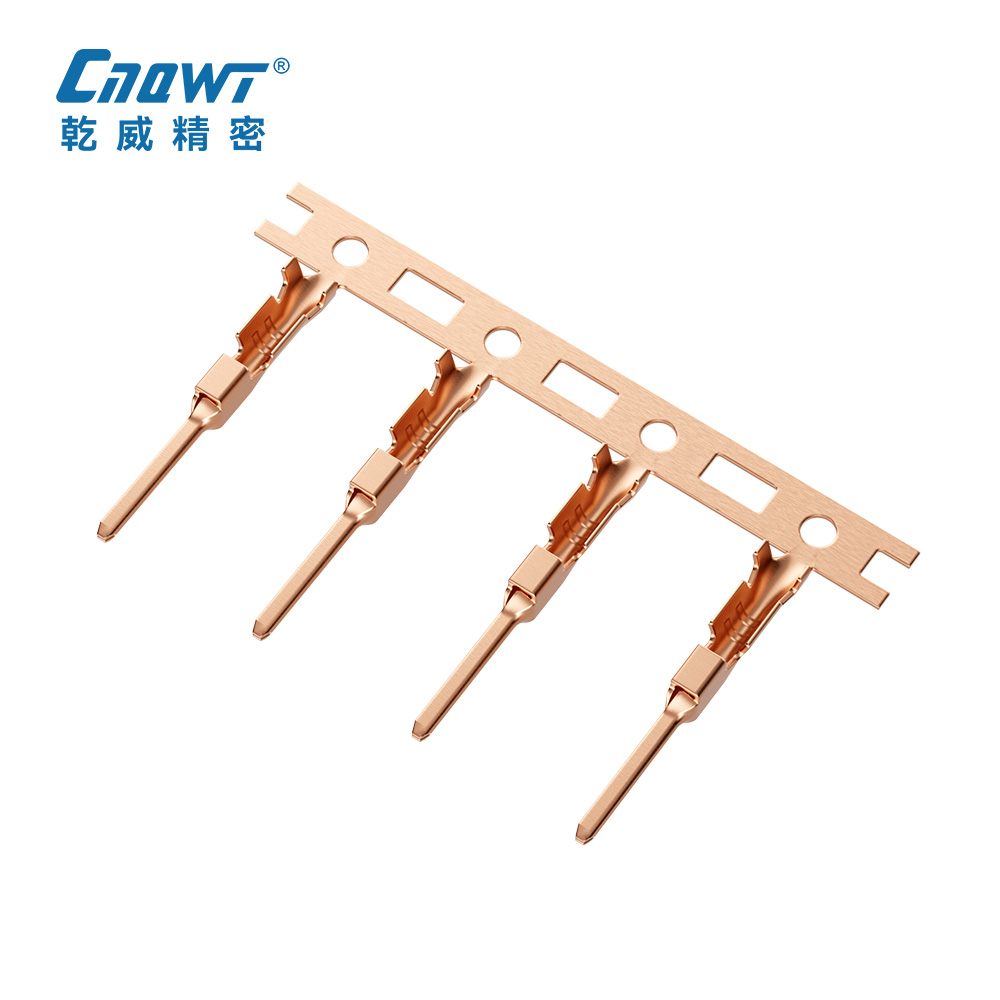
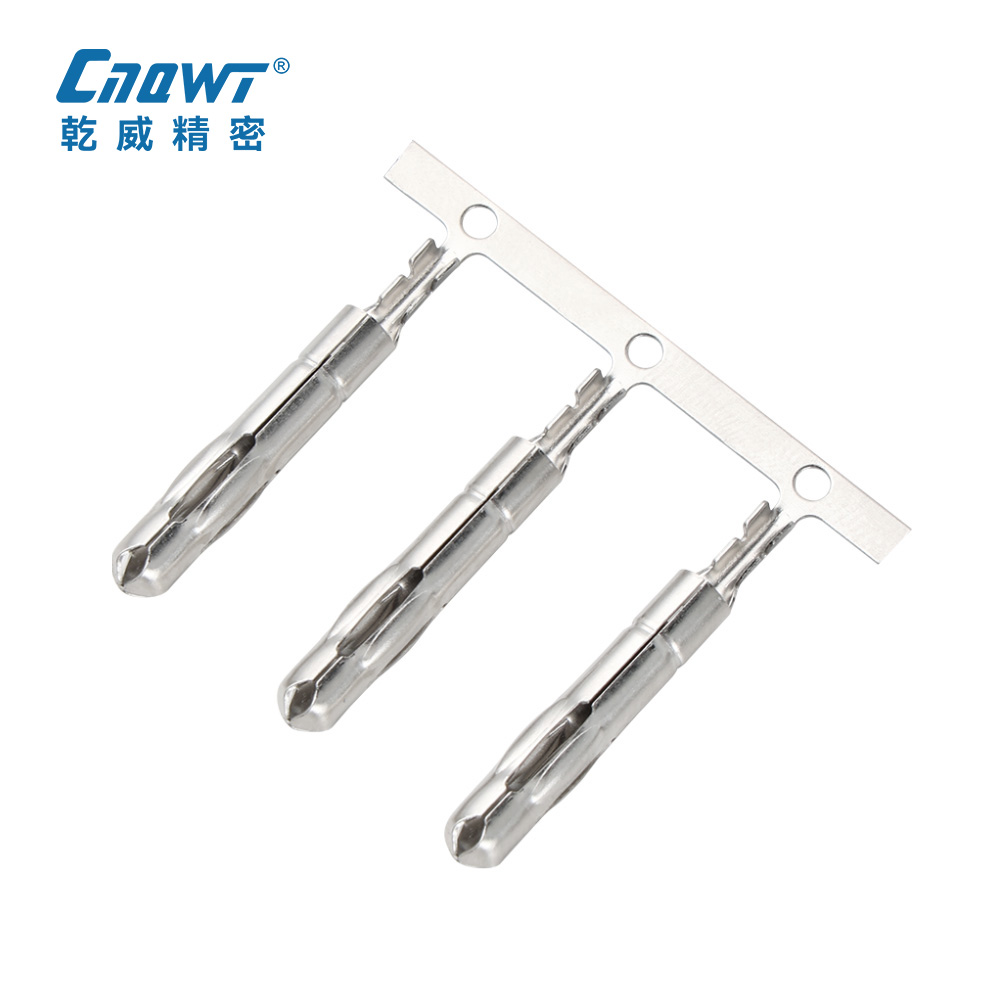
| Pin Terminals | Terminal blocks | Reliable insertion |
| Butt Connectors | Wire splicing | Permanent connection |
| Automotive Terminals | Vehicle wiring harnesses | High vibration resistance |
| PCB Terminals | Circuit boards | Compact electrical connection |
Selecting the appropriate terminal type improves installation efficiency while ensuring reliable long-term performance.
Applications Across Modern Industries
Electrical terminals are essential across nearly every industry.
Electric Vehicles (EVs)
EVs require terminals capable of handling:
- High voltage
- High current
- Continuous vibration
- Wide temperature ranges
Battery management systems, charging interfaces, and vehicle wiring harnesses all rely on precision-engineered terminals.
Industrial Automation
Factories increasingly depend on automated production equipment.
Reliable terminals help ensure uninterrupted operation for:
- PLC control systems
- Industrial robots
- Servo drives
- Sensors
- Motor control panels
Renewable Energy Systems
Solar and wind installations operate outdoors for decades.
Terminals used in these systems must resist:
- UV exposure
- Moisture
- Corrosion
- Thermal cycling
AI Data Centers
The rapid growth of AI infrastructure has significantly increased power density within modern data centers.
High-current terminals support:
- Power distribution units (PDUs)
- Busbar systems
- Battery backup equipment
- High-capacity server racks
Reliable electrical connections help reduce energy losses while supporting continuous operation.
Consumer Electronics
As electronic devices become smaller and more powerful, terminals must offer compact designs without compromising reliability.
Applications include:
- Smartphones
- Home appliances
- Smart home products
- Wearable devices
Medical Equipment
Medical devices demand highly reliable electrical connections.
Terminals used in diagnostic and surgical equipment must deliver:
- Stable conductivity
- Excellent corrosion resistance
- Long service life
- Consistent performance
Design Considerations When Choosing Terminals
Selecting the right terminal requires evaluating multiple engineering factors rather than focusing solely on cost.
Electrical Requirements
Consider:
- Operating voltage
- Current rating
- Wire gauge
- Contact resistance
- Power requirements
Environmental Conditions
Environmental factors can significantly affect terminal performance.
Assess whether the application involves:
- High humidity
- Salt spray
- Dust
- Chemicals
- Outdoor exposure
- Extreme temperatures
Mechanical Requirements
Engineers should evaluate:
- Vibration levels
- Wire pull force
- Repeated mating cycles
- Mechanical stress
Installation Method
Different installation methods influence production efficiency and long-term reliability.
Common options include:
- Crimp terminals
- Screw terminals
- Spring clamp terminals
- Solder terminals
Among these, precision crimping remains one of the most reliable methods for high-volume manufacturing.
Compliance Requirements
Many industries require terminals that comply with international standards and customer specifications.
Common certifications include:
- UL
- RoHS
- REACH
- IATF 16949 (for automotive manufacturing)
- ISO 9001
Common Design Mistakes to Avoid
Even experienced engineers can encounter connection problems if terminal selection is overlooked.
Some common mistakes include:
- Selecting the wrong terminal size for the wire
- Ignoring current-carrying capacity
- Using unsuitable materials
- Choosing the wrong surface plating
- Poor crimping quality
- Failing to account for environmental conditions
- Overlooking vibration requirements
Addressing these factors during the design stage helps reduce field failures and maintenance costs.
Future Trends in Electrical Terminal Design
Electrical terminals continue to evolve alongside advances in electrical engineering.
Several trends are shaping the industry:
Miniaturization
Smaller electronic products require increasingly compact terminal designs.
High-Voltage Systems
Electric vehicles and energy storage systems demand terminals capable of safely handling higher voltages and currents.
Lightweight Materials
Manufacturers are exploring materials that reduce weight without sacrificing strength or conductivity.
Automation-Friendly Designs
Modern production lines require terminals optimized for automated stamping, crimping, inspection, and assembly.
Sustainable Manufacturing
Manufacturers are increasingly adopting environmentally responsible materials and production processes to meet global sustainability goals.
Choosing the Right Terminal Manufacturing Partner
A high-quality terminal begins long before production—it starts with engineering expertise, precision tooling, and rigorous quality control.
When evaluating a terminal manufacturer, consider whether they offer:
- In-house mold design and development
- Precision metal stamping capabilities
- Material selection expertise
- Custom terminal design support
- Automated production lines
- Comprehensive quality inspection
- International certifications
- Stable production capacity for long-term supply
Working with an experienced manufacturing partner like Qianwei Precision can help optimize product performance, reduce production risks, and shorten development cycles for new projects.
Conclusion
Electrical terminals may be among the smallest components in an electrical system, but their impact is substantial. They influence conductivity, safety, durability, manufacturability, and long-term reliability across applications ranging from consumer electronics to electric vehicles and AI data centers.
As electrical systems continue to become more compact, intelligent, and power-intensive, selecting the right terminal is no longer a minor design decision—it is a fundamental engineering consideration. By choosing the appropriate terminal type, material, plating, and manufacturing partner, engineers can improve system performance, reduce maintenance costs, and build products that meet the demands of modern electrical design.
FAQs
What is the primary role of electrical terminals?
Electrical terminals create secure electrical and mechanical connections that allow current to flow safely and efficiently throughout an electrical system.
Why are electrical terminals important in electrical design?
They directly affect conductivity, safety, reliability, heat generation, and long-term system performance. Even small improvements in terminal quality can significantly enhance overall product reliability.
What materials are commonly used for electrical terminals?
Copper, brass, phosphor bronze, and beryllium copper are among the most common materials. The ideal choice depends on the application’s electrical, mechanical, and environmental requirements.
How do I choose the right electrical terminal?
Consider current rating, wire size, operating environment, vibration, installation method, applicable standards, and the terminal material and plating. Working with an experienced manufacturer can also help ensure the best solution for your application.

