

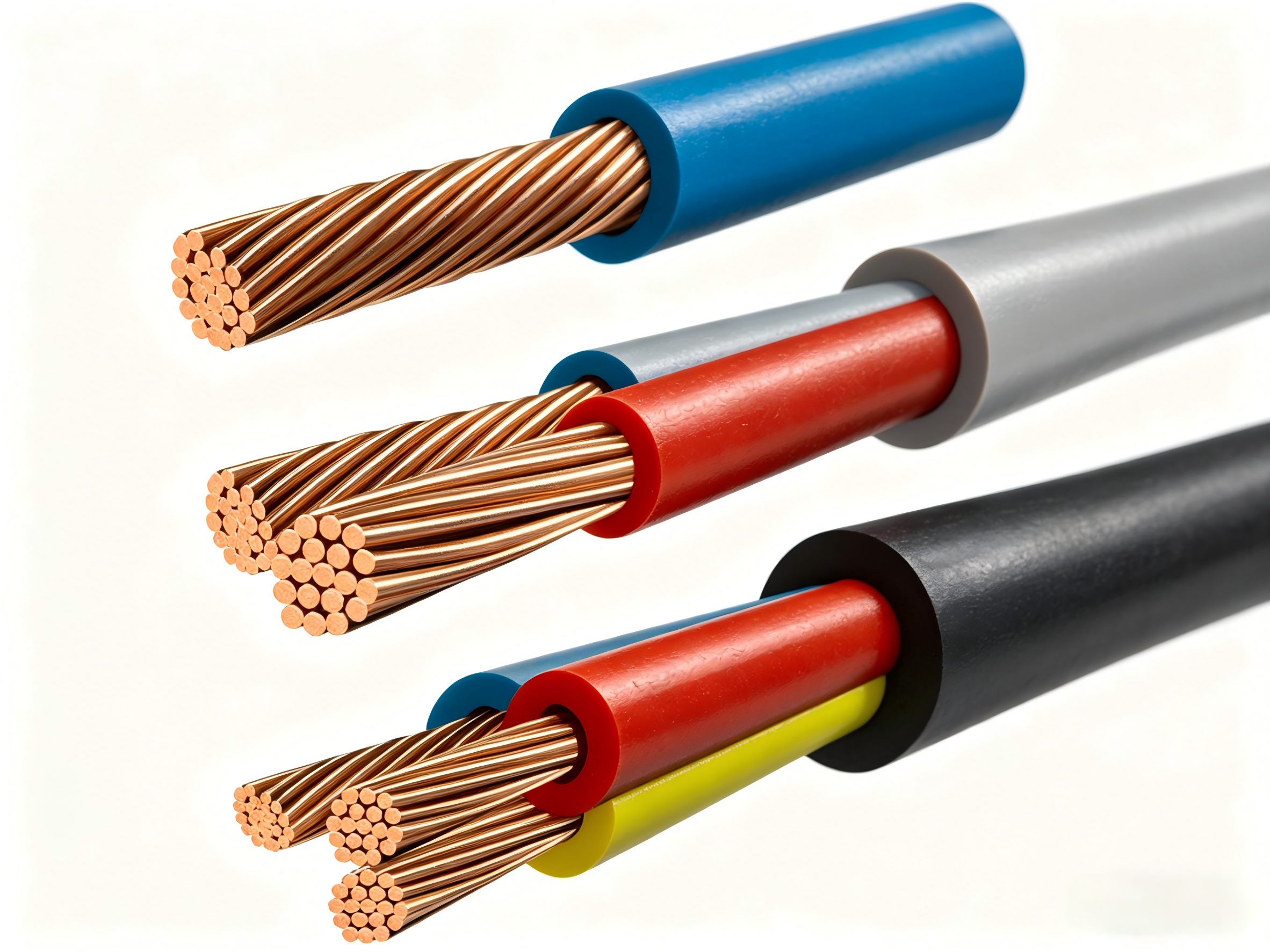
Crimping is very important processes in electrical connections, especially when choosing the right wires for your applications. Whether you are working with multi-strand or single-strand wires, understanding the differences between these two types of wires and their corresponding crimping techniques can ensure reliable, long-lasting connections. This guide will walk you through everything you need to know about crimping multi-strand vs single-strand wires, from their characteristics to best practices, applications, and more.
What is Crimping?
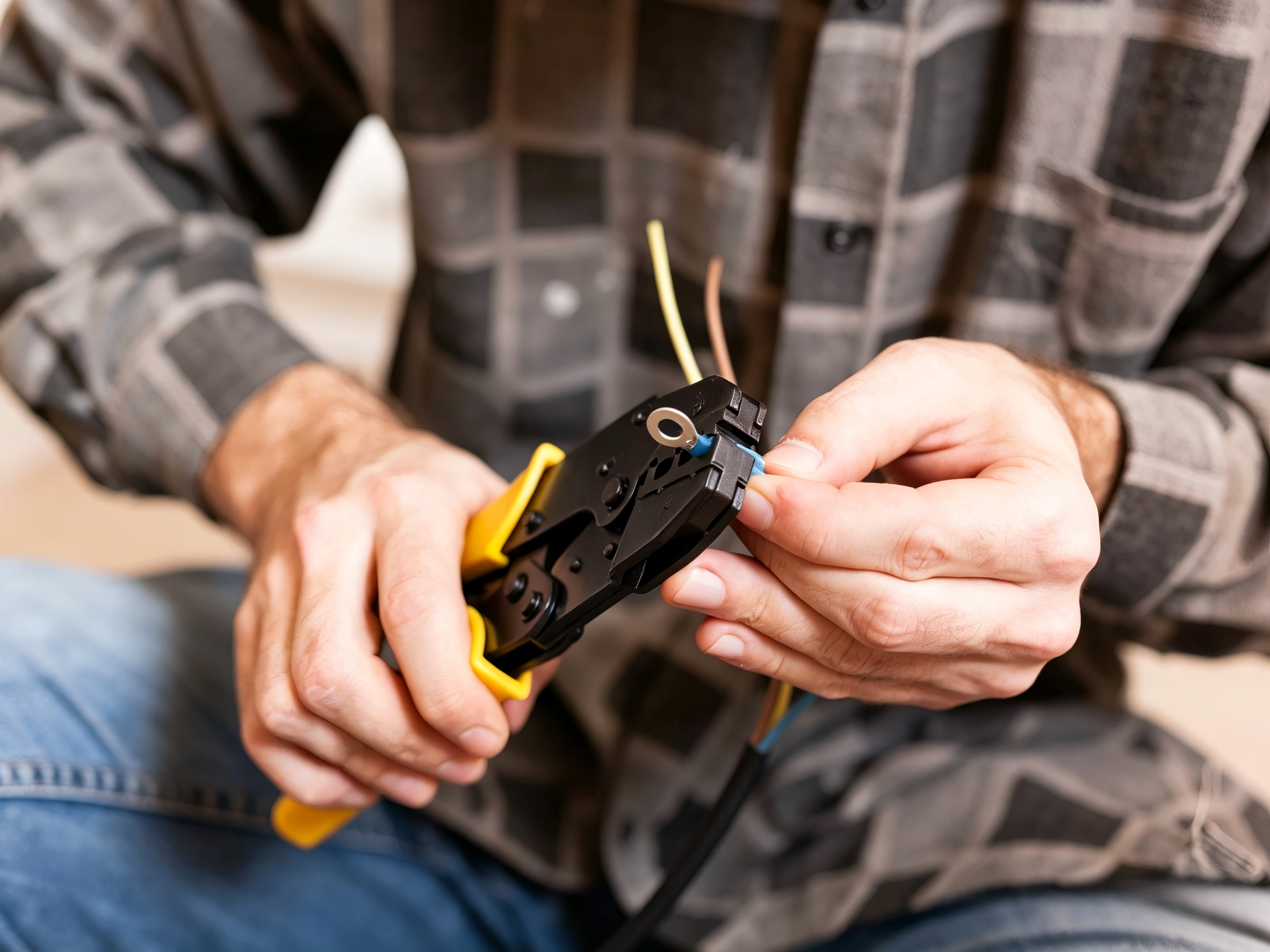
Crimping is the process of mechanically joining a connector to the wire by deforming the connector in a way that creates a solid, permanent bond. The main goal is to establish a secure electrical connection without using soldering. Crimping is widely used in industries like automotive, electronics, telecommunications, and manufacturing.
Whether you’re dealing with multi-strand or single-strand wires, crimping ensures that the connection is stable, reliable, and able to withstand mechanical stress, vibration, and environmental factors.
Understanding Multi-Strand Wires
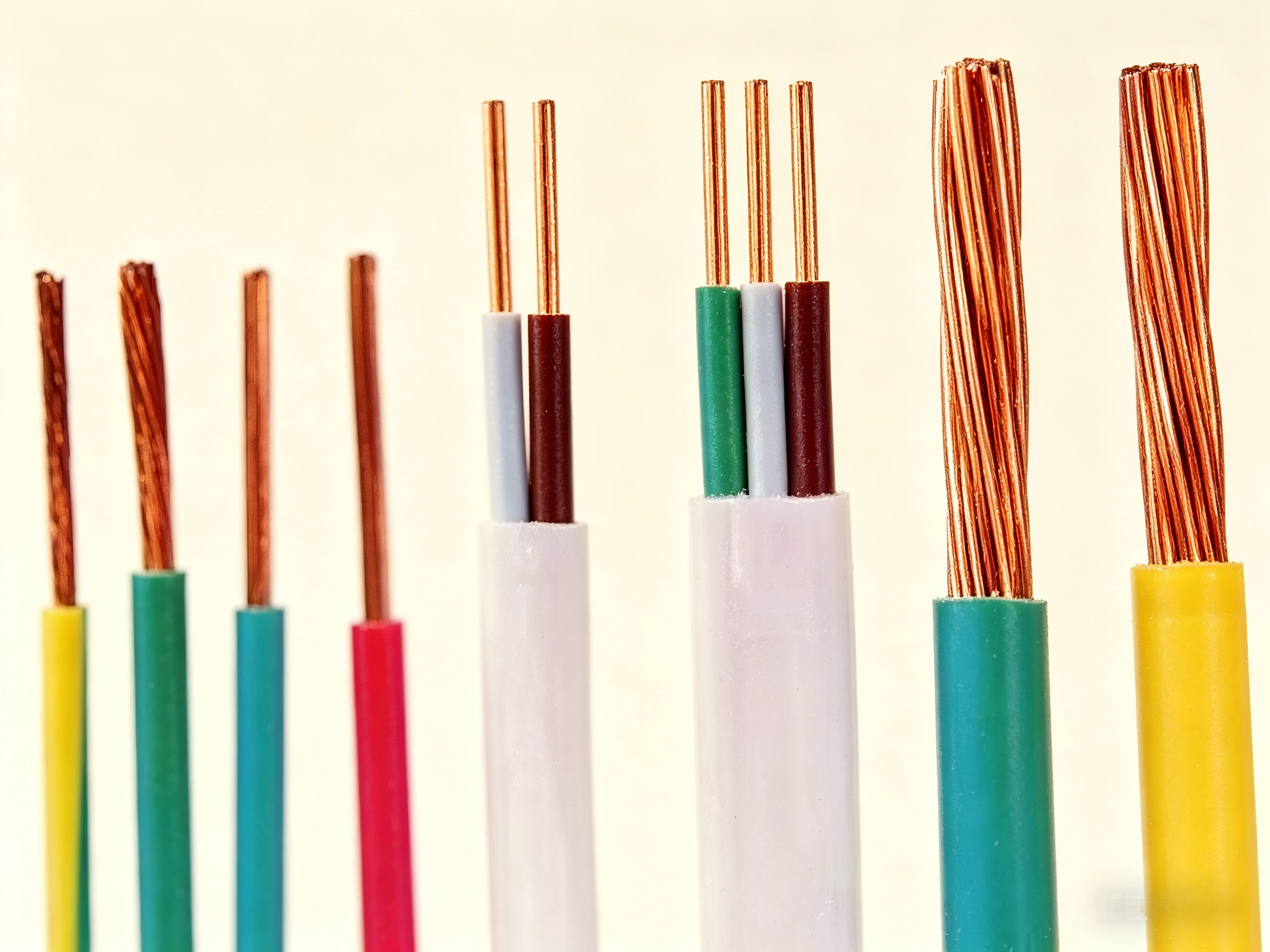
What are Multi-Strand Wires?
Multi-strand wires are composed of several thin strands of wire twisted together to form a single conductor. This design allows for more flexibility compared to single-strand wires, which is why multi-strand wires are often used in environments where movement is frequent.
Advantages of Multi-Strand Wires:
Increased Flexibility: Multi-strand wires are highly flexible, which makes them ideal for applications that require bending, twisting, or movement, such as automotive wiring or robotics.
Resistance to Fatigue: The multiple strands distribute the stress, making them more resistant to mechanical fatigue from continuous flexing.
Enhanced Durability: Multi-strand wires can endure more cycles of motion, which increases their overall lifespan in dynamic environments.
Crimping Multi-Strand Wires
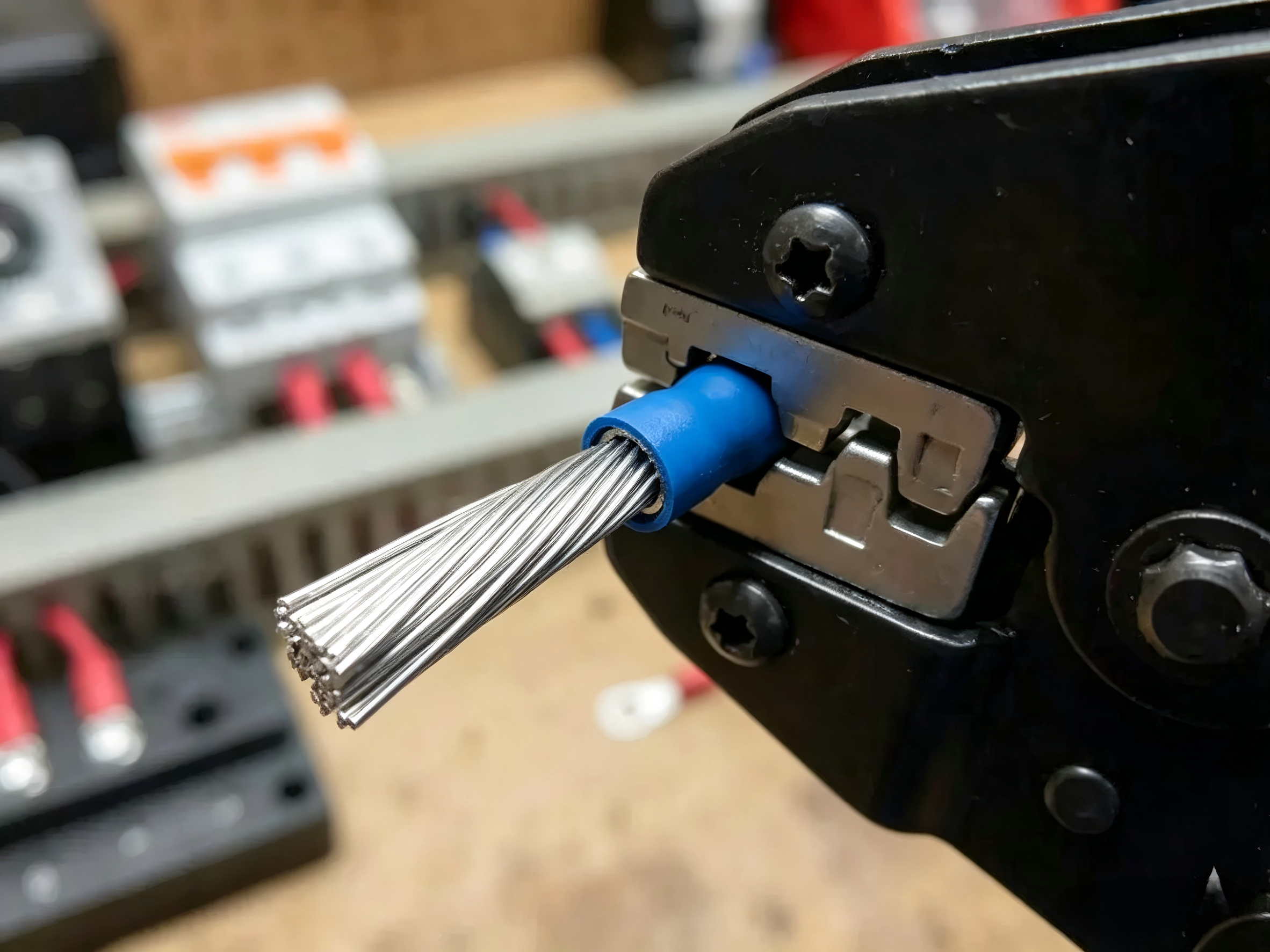
Crimping multi-strand wires can be more challenging than crimping single-strand wires. The key challenge lies in ensuring that all individual strands make a proper connection with the crimp terminal. A poorly executed crimp can lead to a loose connection, which might cause power loss or even system failure.
Best Practice: Always use crimping tools designed for multi-strand wires to ensure uniform compression. It’s essential to prevent the strands from being cut or damaged during the crimping process.
Tool Selection: Ratchet crimpers or hydraulic crimping tools work best for multi-strand wires, ensuring the correct pressure is applied and that all the wire strands are captured in the crimp.
Understanding Single-Strand Wires
What are Single-Strand Wires?
Single-strand wires are made from a single solid wire. These wires are more rigid compared to multi-strand wires and are typically used in applications where flexibility is not a primary concern.
Advantages of Single-Strand Wires:
High Current Carrying Capacity: Single-strand wires are generally better at carrying high currents over short distances because of the uninterrupted path provided by the solid core.
Better Conductivity: The solid copper core ensures lower electrical resistance, making single-strand wires ideal for power transmission applications.
Durability in Fixed Installations: These wires excel in applications where movement isn’t necessary, such as in power plants, substation connections, or any situation where the wires are stationary.
Crimping Single-Strand Wires
Crimping single-strand wires is a bit simpler compared to multi-strand wires because there’s no concern about strand damage. However, it’s still important to ensure a solid and tight crimp to avoid issues like a loose connection or poor conductivity.
Best Practice: Ensure that the wire is stripped to the correct length and that no wire strands are exposed when crimping.
Tool Selection: Use crimping tools designed specifically for single-strand wires, such as precision crimpers, to avoid over-crimping or damaging the wire.
Key Differences Between Multi-Strand and Single-Strand Wires
Understanding the differences between these wire types will help you make the right decision for your crimping needs. Here are the main factors to consider:
1. Flexibility and Durability
Multi-Strand Wires: Highly flexible and resistant to fatigue, making them ideal for dynamic applications.
Single-Strand Wires: Less flexible but offer a solid, durable connection in static applications where movement is minimal.
2. Current Carrying Capacity
Single-Strand Wires: Due to the solid conductor, these wires generally have a better current carrying capacity, making them ideal for high-power applications.
Multi-Strand Wires: While still capable of handling current, their primary advantage lies in flexibility rather than raw current capacity.
3. Crimping Complexity
Multi-Strand Wires: Crimping requires special attention to avoid damaging individual strands and ensuring a secure connection.
Single-Strand Wires: Crimping is more straightforward, but it’s crucial to use the right crimping pressure to avoid damaging the wire.
Best Practices for Crimping Multi-Strand and Single-Strand Wires
To ensure high-quality, long-lasting crimp connections, follow these best practices for both multi-strand and single-strand wires:
1. Choose the Right Tool
Multi-Strand Wires: Use ratchet or hydraulic crimping tools to ensure proper compression and avoid damaging the strands.
Single-Strand Wires: Precision crimpers are ideal for single-strand wires to ensure a secure, tight connection without damaging the wire.
2. Proper Wire Stripping
Multi-Strand Wires: Strip the wire carefully to avoid damaging the individual strands. Ensure that no strands are left outside the crimp terminal, as this can cause a poor connection.
Single-Strand Wires: Strip the wire to the right length and ensure no exposed copper outside the crimp terminal to maintain a secure, solid connection.
3. Apply Correct Pressure
Multi-Strand Wires: Apply sufficient pressure to compress the strands evenly, but not too much to prevent strand breakage.
Single-Strand Wires: Apply enough pressure to create a solid connection, but avoid over-crimping to preserve the integrity of the wire.
Applications of Crimping Multi-Strand and Single-Strand Wires
Multi-Strand Wires
Automotive Wiring: Due to their flexibility, multi-strand wires are ideal for automotive wiring where vibrations and movement are common.
Robotics: Multi-strand wires are used in robotic systems where frequent bending and flexing are necessary.
Flexible Connections: Any application requiring a flexible, durable connection benefits from multi-strand wire crimping.
Single-Strand Wires
Power Distribution: Single-strand wires are typically used in power distribution systems where rigidity and high current carrying capacity are needed.
Industrial Applications: Used in heavy machinery and equipment where the wires are fixed and not exposed to constant motion.
High-Voltage Systems: Single-strand wires are often preferred in high-voltage systems due to their excellent conductivity and high current capacity.
Conclusion
Choosing the right wire and crimping method is crucial for ensuring reliable and efficient electrical connections. Whether you’re working with multi-strand or single-strand wires, understanding their differences, advantages, and the proper crimping techniques will help you achieve secure, long-lasting connections. By following the best practices outlined in this guide, you can ensure your crimping process is smooth, effective, and up to industry standards.
If you’re in need of high-quality crimping tools or terminals for your project, explore our product range to find the perfect fit for your needs.
FAQs
- What’s the best tool for crimping multi-strand wires?
Use ratchet crimpers or hydraulic crimping tools designed specifically for multi-strand wires to ensure even compression. - Can I use the same crimping tool for both multi-strand and single-strand wires?
While some tools are versatile, it’s best to use specialized tools for each wire type to achieve the best results. - How do I avoid damaging the strands in multi-strand wires during crimping?
Ensure that the crimp tool is set for the correct pressure and make sure the strands are properly aligned in the crimp terminal before compressing.

