

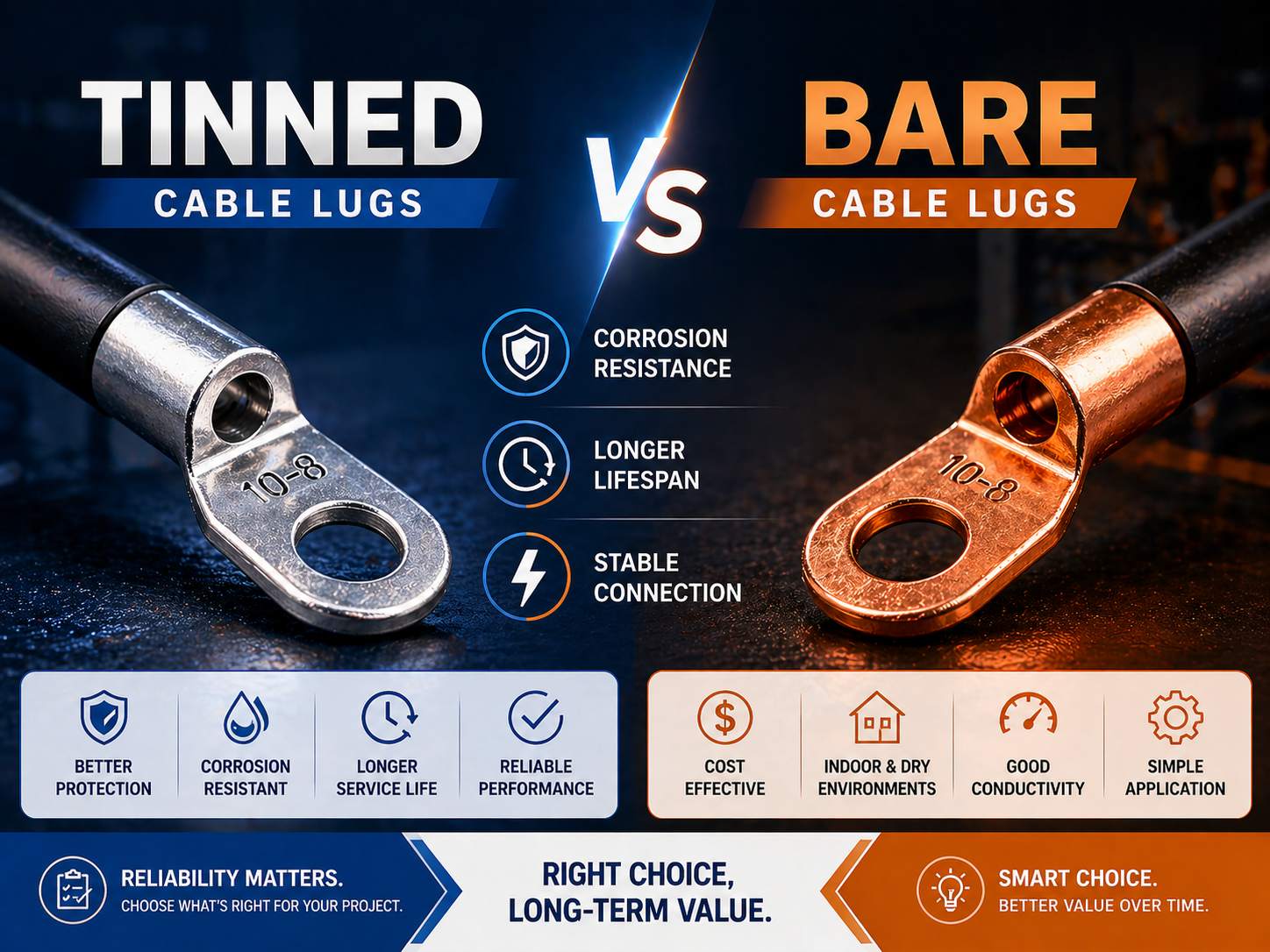
Introduction: A Small Choice That Impacts Big Performance
In electrical systems, cable lugs may seem like simple components—but their material and surface treatment can significantly affect connection reliability, lifespan, and maintenance costs.
One of the most common questions engineers and procurement teams face is:
Should you choose tinned cable lugs or bare copper cable lugs?
At first glance, the difference appears minimal. Both are made from highly conductive copper and serve the same fundamental purpose—connecting cables to equipment or busbars. However, when you consider real-world conditions such as humidity, corrosion, temperature variation, and lifecycle costs, the choice becomes far more critical.
This guide provides a detailed comparison of tinned vs bare cable lugs, helping you make the right decision based on performance, environment, and cost-efficiency.
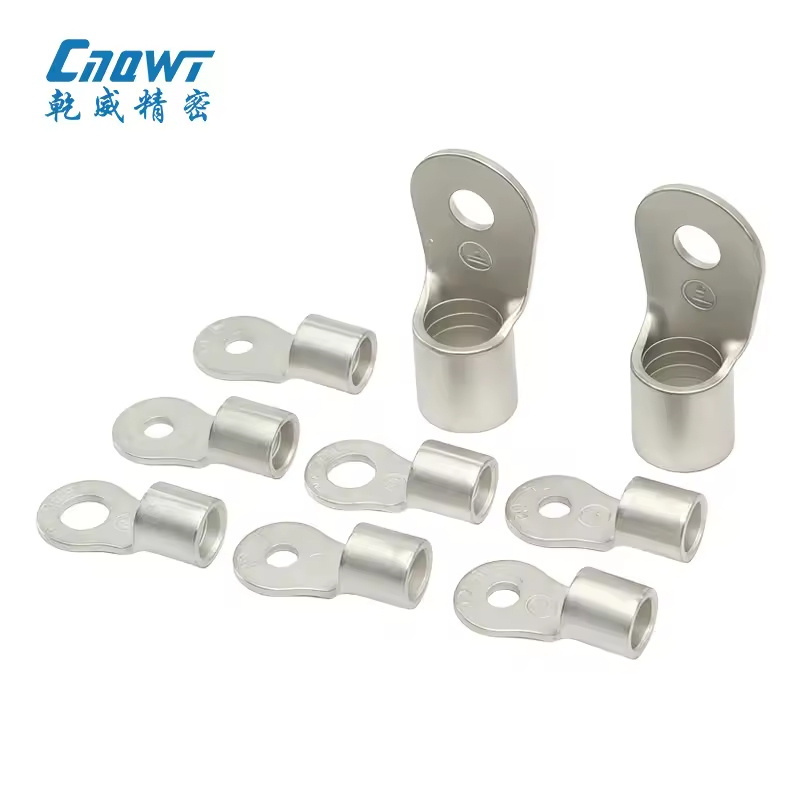
What Are Tinned Cable Lugs?
Tinned cable lugs are copper lugs coated with a thin layer of tin plating. This layer acts as a protective barrier, preventing direct exposure of copper to air and moisture.
Key Characteristics
- Base material: High-conductivity copper
- Surface: Tin-plated finish
- Appearance: Silver-colored
- Function: Enhanced corrosion resistance
Why Tin Plating Matters
Copper naturally oxidizes when exposed to air. Over time, this oxidation increases contact resistance and reduces connection quality. Tin plating prevents this process, ensuring long-term stability.
What Are Bare Cable Lugs?
Bare cable lugs are made from pure copper without any surface coating. They offer excellent conductivity but lack protection against environmental factors.
Key Characteristics
- Base material: Pure copper
- Surface: Uncoated
- Appearance: Reddish copper color
- Function: Maximum conductivity, lower cost
Limitations
Without plating, copper is vulnerable to:
- Oxidation
- Moisture
- Chemical exposure
This can lead to degradation over time, especially in harsh environments.
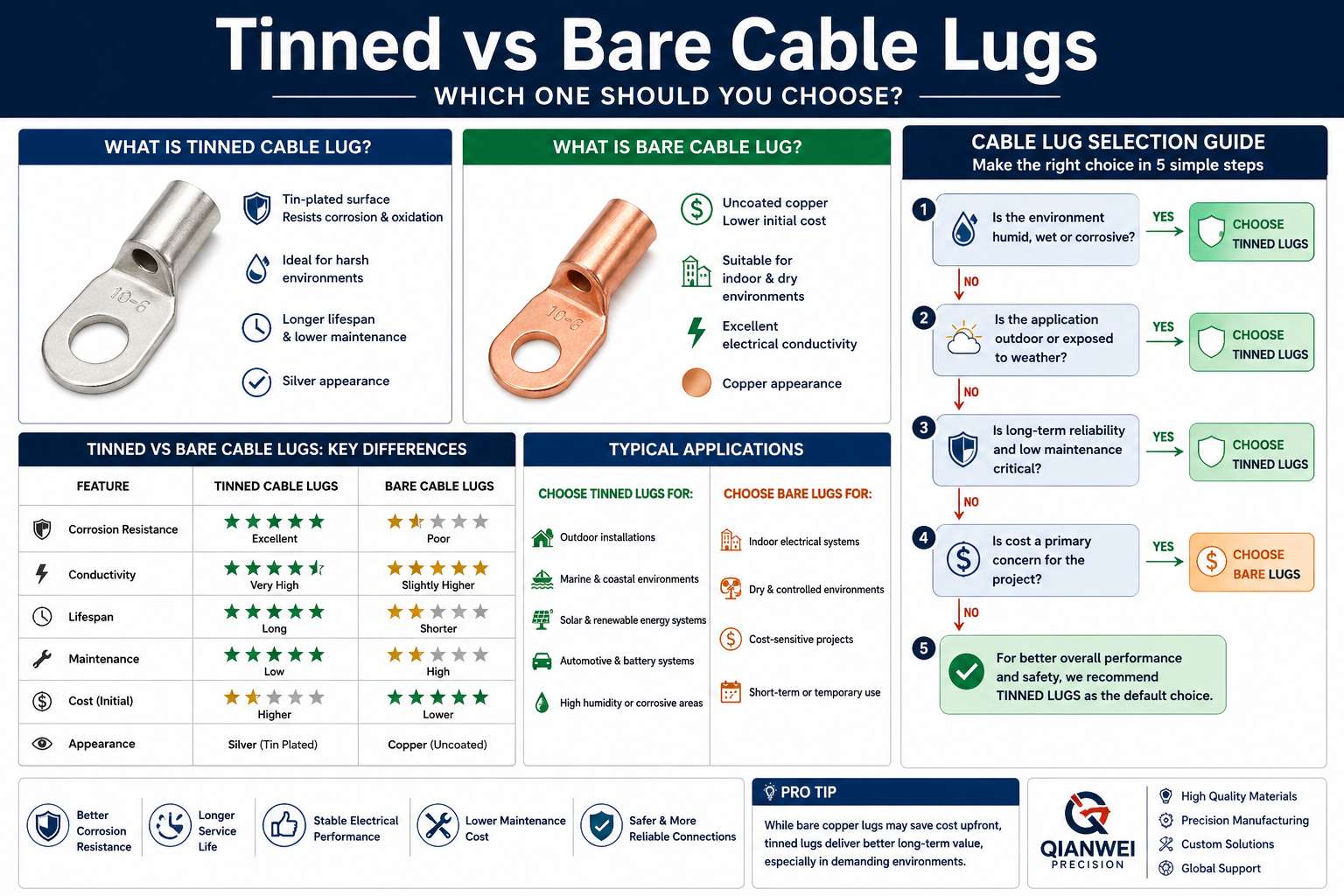
Tinned vs Bare Cable Lugs: Key Differences
Here’s a clear comparison:
| Feature | Tinned Cable Lugs | Bare Cable Lugs |
|---|---|---|
| Corrosion Resistance | Excellent | Poor |
| Conductivity | Very High | Slightly Higher |
| Lifespan | Long | Shorter |
| Maintenance | Low | High |
| Cost | Higher | Lower |
| Appearance | Silver | Copper |
Electrical Performance: Does Tin Reduce Conductivity?
A common concern is whether tin plating reduces conductivity.
The Reality
- Copper conductivity: ~100% IACS
- Tin conductivity: lower than copper
However:
- The tin layer is extremely thin
- The impact on overall conductivity is negligible in real applications
Practical Conclusion
In most systems:
- The difference is not measurable in performance
- Environmental factors matter far more than theoretical conductivity
Corrosion & Oxidation: The Critical Factor
This is where the real difference lies.
Bare Copper Behavior
When exposed to air and moisture:
- Copper forms oxide layers
- Surface resistance increases
- Connection reliability decreases
In harsh environments, this process accelerates.
Tinned Copper Advantage
Tin plating provides:
- A protective barrier against oxygen
- Resistance to humidity and chemicals
- Stable contact surfaces over time
Real-World Impact
In environments such as:
- Outdoor installations
- Coastal areas (salt exposure)
- Industrial facilities
Tinned lugs significantly outperform bare lugs.
Cost vs Lifecycle Value
Many buyers focus only on initial price.
Bare Cable Lugs
- Lower upfront cost
- Higher maintenance
- Shorter lifespan
Tinned Cable Lugs
- Slightly higher initial cost
- Minimal maintenance
- Longer service life
Total Cost Insight
Tinned lugs often have a lower total cost of ownership over time.
Especially in:
- Large-scale installations
- Hard-to-maintain systems
Application Scenarios
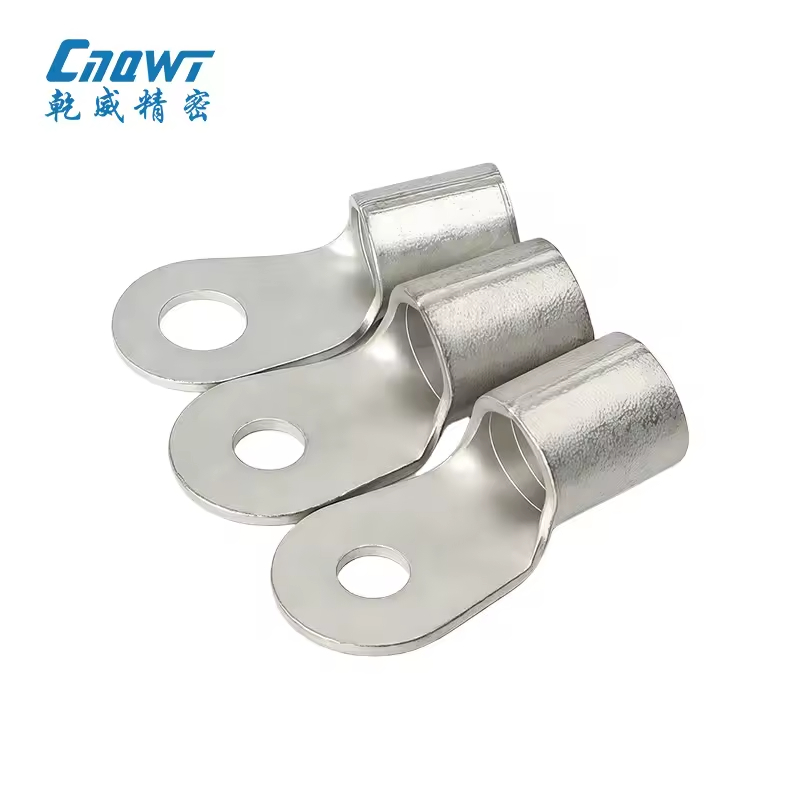
When to Use Tinned Cable Lugs
Tinned lugs are recommended for:
- Outdoor electrical systems
- Solar and renewable energy systems
- Marine or coastal environments
- Automotive and battery systems
- High-humidity environments
When to Use Bare Cable Lugs
Bare lugs are suitable for:
- Indoor installations
- Dry, controlled environments
- Low-cost projects
- Short-term applications
Selection Guide: How to Choose the Right Option
Use this simplified decision framework:
Step 1: Evaluate Environment
- Humid / corrosive → Choose tinned
- Dry / indoor → Bare may work
Step 2: Consider Lifespan
- Long-term system → Tinned
- Temporary use → Bare
Step 3: Assess Criticality
- Critical electrical systems → Tinned
- Non-critical → Bare
Quick Decision Rule
- If reliability matters → Go with tinned lugs
- If cost is the only concern → Bare lugs are acceptable
Common Mistakes to Avoid
Even experienced buyers make these errors:
1. Choosing Bare Lugs for Outdoor Use
Leads to rapid oxidation and failure.
2. Ignoring Maintenance Costs
Frequent replacements increase total expenses.
3. Overestimating Conductivity Differences
Theoretical advantages don’t matter in real conditions.
4. Not Considering Environmental Exposure
Humidity and chemicals drastically impact performance.
Crimping Considerations
Both types require proper crimping, but:
Tinned Lugs
- Better surface stability
- Consistent contact quality
Bare Lugs
- May degrade over time after crimping
- Surface oxidation can affect connection
Best Practice
Always use:
- Correct crimping tools
- Proper crimping force
- Quality terminals
Industry Standards & Compliance
Reliable cable lugs should comply with:
- RoHS (environmental compliance)
- REACH (chemical safety)
- IATF16949 (automotive quality)
Tinned lugs are often preferred in regulated industries due to their long-term stability.
Why More Engineers Prefer Tinned Cable Lugs
Across industries, the trend is clear:
- Increasing demand for durability
- Reduced maintenance expectations
- Higher reliability standards
As a result, tinned cable lugs are becoming the default choice in many applications.
Why Choose Qianwei Precision
Qianwei Precision provides high-quality cable lugs designed for reliability and performance.
Our Advantages:
- High-conductivity copper materials
- Stable and uniform tin plating
- 1800+ production molds
- Advanced automated manufacturing
- Strong customization capabilities
We support applications in:
- Automotive systems
- Renewable energy
- Industrial equipment
- Consumer electronics
Conclusion: Performance Over Price
While both tinned and bare cable lugs have their place, the decision should never be based on price alone.
- Bare lugs offer short-term savings
- Tinned lugs provide long-term reliability
In most real-world applications, tinned cable lugs deliver better performance, longer lifespan, and lower total cost.
👉 Ready to Choose the Right Cable Lug?
If you’re sourcing cable lugs for your project:
- Get expert selection guidance
- Request free samples
- Customize specifications for your application
Contact Qianwei Precision today to ensure your electrical connections are built for long-term performance.
FAQs
1. What is the difference between tinned and bare cable lugs?
Tinned cable lugs are coated with a thin layer of tin to prevent corrosion, while bare cable lugs are uncoated copper. The main difference lies in corrosion resistance and lifespan, not core functionality.
2. Are tinned cable lugs better than bare copper lugs?
Tinned cable lugs are generally better for outdoor, humid, or corrosive environments due to their anti-oxidation properties. Bare lugs are suitable for dry, indoor applications.
3. Do tinned cable lugs have lower conductivity?
Slightly, but the difference is negligible. The tin layer is very thin, so in real-world applications, conductivity differences are not significant.
4. When should I use bare cable lugs?
Use bare cable lugs in:
- Indoor environments
- Dry conditions
- Cost-sensitive projects
- Short-term applications
5. Why do cable lugs need tin plating?
Tin plating protects copper from:
- Oxidation
- Moisture
- Chemical exposure
This ensures stable electrical performance over time.
6. Are tinned cable lugs required for outdoor use?
Yes, in most cases. Outdoor environments expose connectors to moisture and corrosion, making tinned lugs the safer and more reliable choice.
7. Do tinned cable lugs last longer?
Yes. Tinned cable lugs have a longer lifespan because they resist corrosion and maintain stable contact surfaces.
8. Are bare copper lugs more cost-effective?
They have a lower initial cost, but may result in higher long-term costs due to maintenance, oxidation, and replacement.
9. Can bare cable lugs be used in high-current applications?
Yes, but only in controlled environments. Without protection, oxidation may impact long-term performance even in high-current systems.
10. How do I choose between tinned and bare cable lugs?
Consider three factors:
- Environment (humid vs dry)
- Lifespan (long-term vs short-term)
- Application criticality
👉 If reliability matters → choose tinned lugs
👉 If cost is the priority → bare lugs can work


One thought on “Tinned vs Bare Cable Lugs – Which One Should You Choose for Long-Term Electrical Reliability?”