

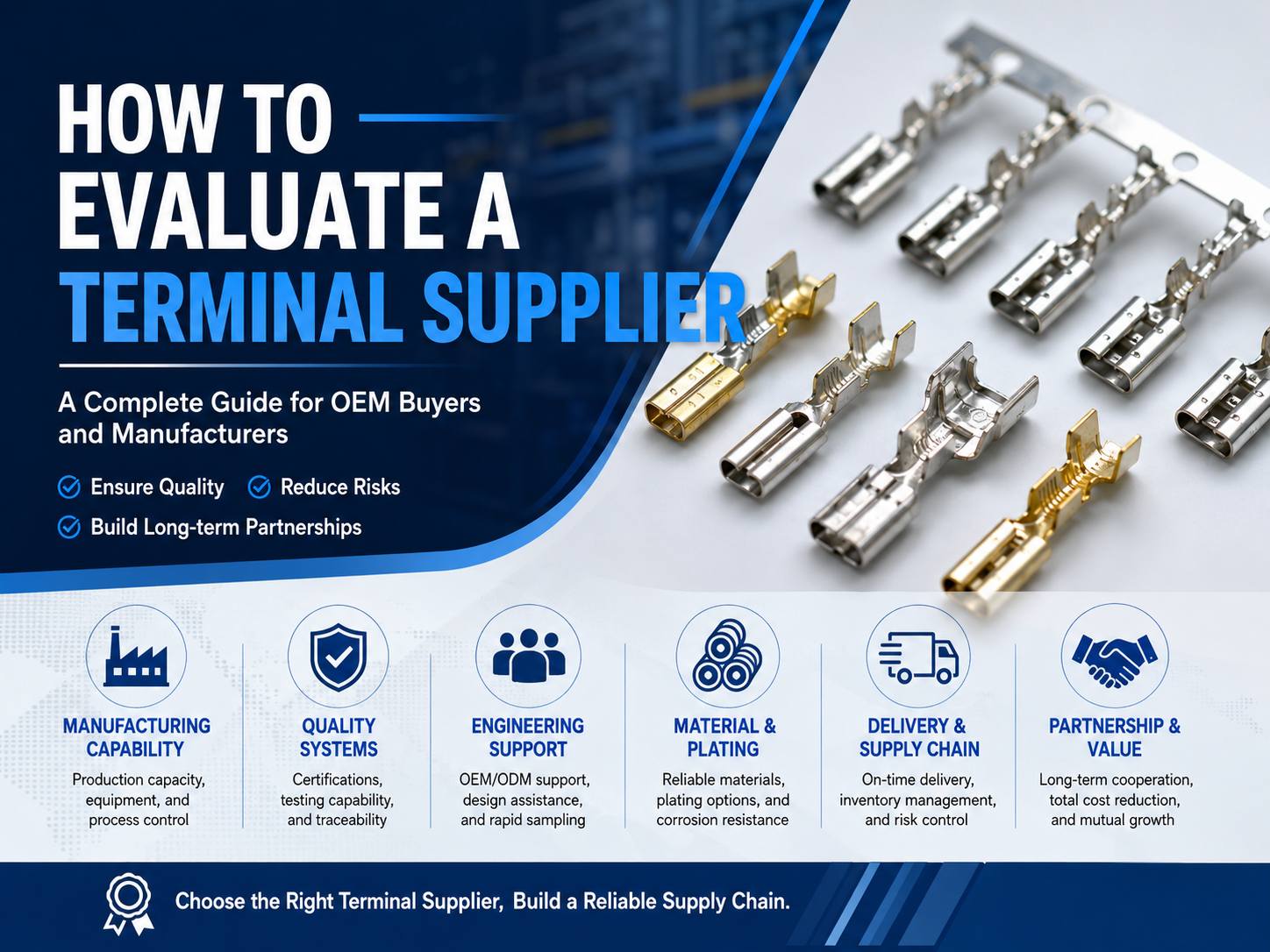
Choosing the right terminal supplier is one of the most important decisions in the connector and wire harness supply chain. Electrical terminals may appear to be small components, but their quality directly affects electrical performance, product reliability, assembly efficiency, and long-term operating safety.
For OEM manufacturers, distributors, and procurement teams, selecting a supplier based only on price often leads to hidden costs such as inconsistent quality, delayed deliveries, rework, field failures, and customer complaints. A reliable terminal supplier should not only provide products but also support engineering development, quality assurance, and scalable production.
This guide explains how to evaluate a terminal supplier from a technical and procurement perspective, helping buyers make informed decisions for long-term cooperation.
Why Supplier Evaluation Matters in Terminal Procurement
Electrical terminals are used across industries such as automotive, consumer electronics, industrial automation, smart home devices, renewable energy systems, and telecommunications. Because these applications often operate under demanding conditions, supplier capability becomes a critical factor.
A supplier with poor process control may produce terminals with unstable dimensions, inconsistent plating thickness, or insufficient crimp strength. These issues can cause overheating, connection failure, corrosion, and reduced product lifespan.
Supplier evaluation helps buyers reduce procurement risks by verifying:
- Manufacturing capability
- Product quality systems
- Engineering support
- Delivery performance
- Material traceability
- Long-term scalability
Rather than treating supplier selection as a price comparison exercise, companies should view it as a strategic investment.
Evaluate Manufacturing Capability First
Manufacturing capability is the foundation of supplier evaluation. Buyers should understand whether the supplier controls production internally or relies heavily on outsourcing.
Determine Whether the Supplier Is a Manufacturer or Trading Company
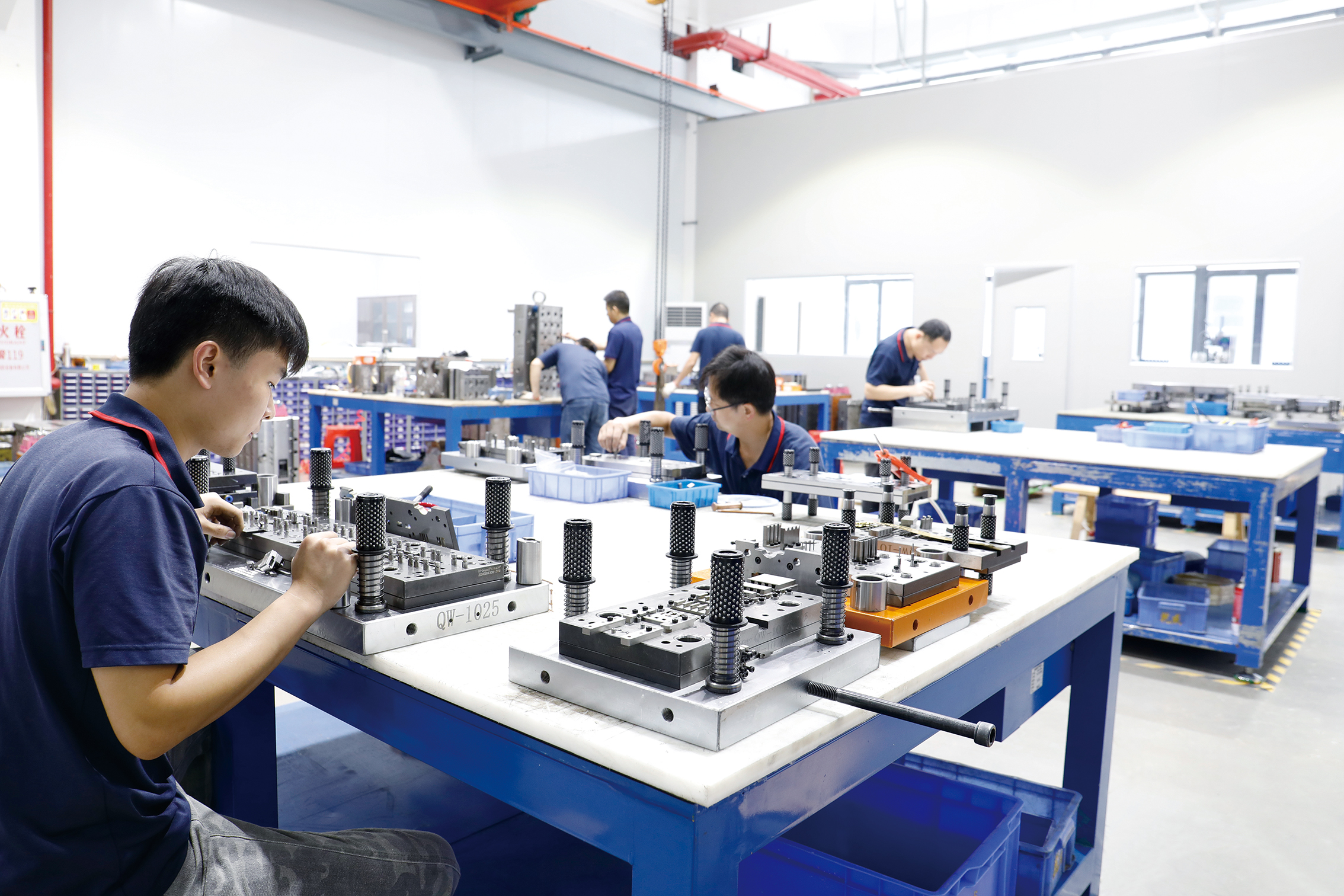
Many suppliers present themselves as manufacturers while outsourcing key processes. Buyers should verify whether the company owns production facilities such as:
- Stamping workshops
- Progressive die tooling departments
- Mold development centers
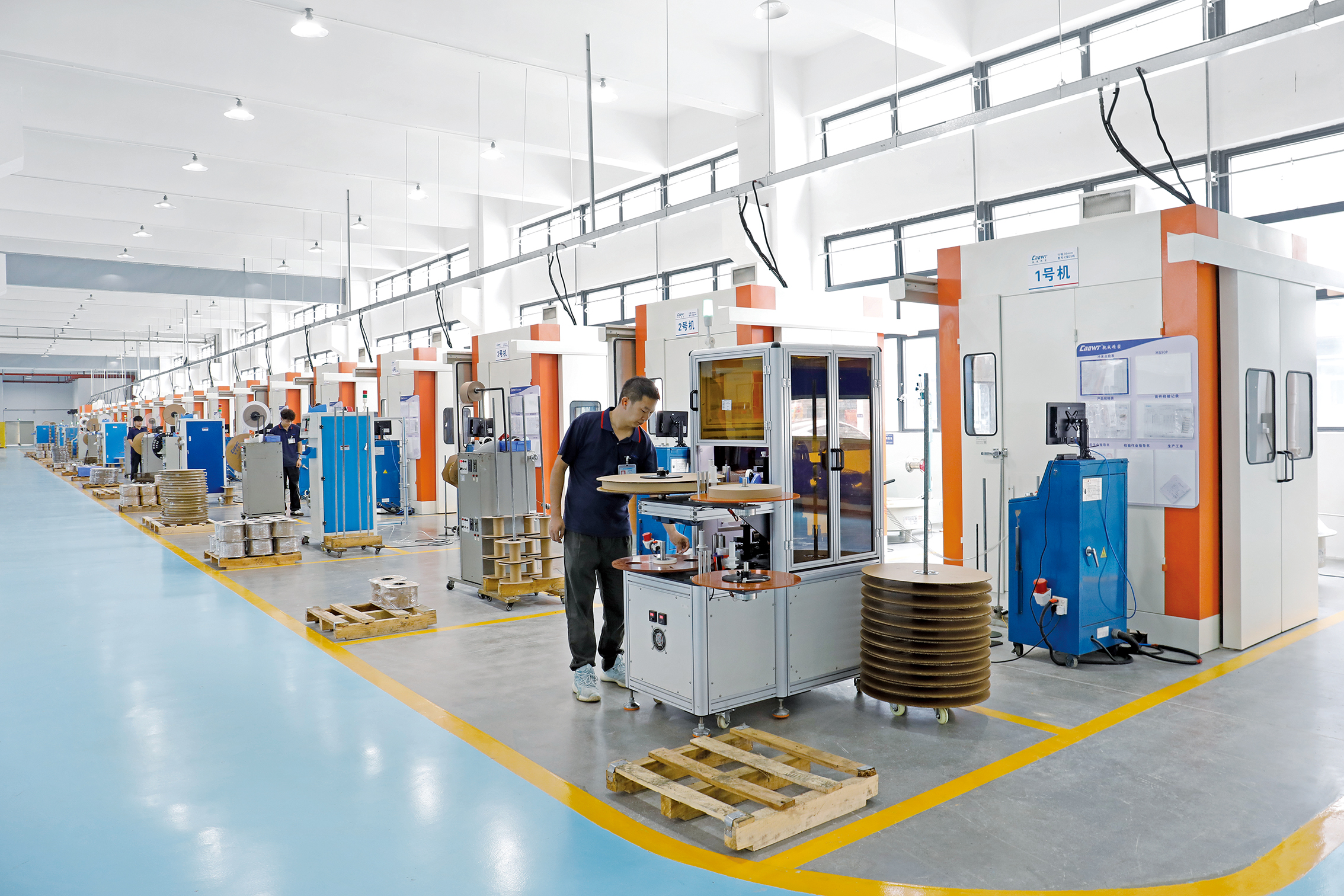
- Assembly lines
- Quality laboratories
- Warehousing facilities
An in-house production model usually provides better control over quality, lead time, and process consistency.
Questions buyers should ask include:
- Do you manufacture terminals internally?
- Which processes are outsourced?
- Can factory audits be arranged?
- Do you own tooling and stamping equipment?
Understanding production ownership helps avoid supply chain uncertainties.
Assess Production Capacity
Production capability determines whether a supplier can support project growth and volume fluctuations.
Evaluation areas include:
Monthly output capacity
Suppliers should provide clear production data and capacity planning information.
Automation level
Automated production lines improve consistency and reduce manual errors.
Lead time performance
Stable lead times indicate mature manufacturing systems.
Scalability
Suppliers should be capable of increasing output without compromising quality.
A supplier suitable for prototyping may not necessarily support mass production requirements.
Review Manufacturing Equipment
Equipment directly influences precision, efficiency, and product consistency.
Common equipment in terminal manufacturing includes:
- High-speed stamping presses
- Progressive die systems
- Automatic assembly machines
- Optical inspection systems
- Crimp testing equipment
- Plating inspection instruments
- Tensile testing machines
Advanced equipment generally indicates stronger process control and higher production repeatability.
Assess Product Quality Management Systems
Quality systems are one of the clearest indicators of supplier maturity.
Reliable terminal manufacturers usually implement structured quality management procedures covering raw materials, production, inspection, and shipment.
Verify Certifications
Certifications demonstrate compliance with international standards and customer requirements.
Common certifications include:
- ISO 9001 for quality management systems
- IATF 16949 for automotive manufacturing
- UL product safety requirements
Depending on target markets, environmental compliance documentation may also be necessary.
Buyers should request certification copies and verify their validity.
Evaluate Testing Capability
Terminal quality cannot rely solely on visual inspection.
A qualified supplier should perform electrical, mechanical, and environmental tests.
Electrical tests may include:
- Contact resistance testing
- Insulation resistance testing
- Dielectric withstand testing
Mechanical tests may include:
- Pull-out force testing
- Crimp analysis
- Insertion and extraction force evaluation
Environmental tests may include:
- Salt spray corrosion testing
- Temperature cycling
- Humidity resistance testing
- Thermal shock testing
Suppliers with internal laboratories often provide faster validation and stronger quality control.
Review Traceability Systems
Traceability is increasingly important for OEM and automotive projects.
A strong traceability system allows manufacturers to identify:
- Material batches
- Production dates
- Equipment used
- Operators involved
- Inspection records
This capability improves root cause analysis and corrective action efficiency.
Ask suppliers whether they maintain batch tracking and historical quality records.
Evaluate Engineering and Customization Capability
Many terminal projects require custom development rather than standard catalog products.
Engineering capability becomes especially important when applications involve unique dimensions, special materials, or performance requirements.
Verify OEM and ODM Support
A capable supplier should provide:
- Design review assistance
- Drawing optimization
- Prototype development
- Tooling design
- Manufacturing feasibility analysis
OEM and ODM support shortens development cycles and reduces production risk.
Questions to ask include:
- Can you develop products from drawings?
- Do you support custom tooling?
- What is the sample lead time?
- Can prototypes be modified quickly?
Assess Engineering Team Strength
Engineering teams play a critical role in solving technical issues.
Evaluation points include:
DFM capability
Design for Manufacturability support improves production efficiency.
Tooling expertise
Tool design affects dimensional accuracy and production speed.
Application engineering
Understanding end-use applications helps optimize product performance.
Problem-solving speed
Fast technical feedback improves project execution.
Suppliers with strong engineering teams often become long-term development partners rather than simple vendors.
Evaluate Material and Surface Treatment Capability
Terminal performance heavily depends on material selection and plating quality.
Review Material Options
Common terminal materials include:
Brass offers good conductivity and cost efficiency.
Phosphor bronze provides better elasticity and fatigue resistance.
Copper alloys improve electrical conductivity.
Stainless steel supports high-strength applications.
Suppliers should explain material selection based on application requirements.
Assess Plating Capability
Surface treatment directly affects corrosion resistance and conductivity.
Common plating options include:
Tin plating for general electrical applications.
Nickel plating for wear resistance.
Gold plating for low contact resistance and signal reliability.
Silver plating for high-conductivity environments.
Buyers should evaluate:
- Plating thickness control
- Coating consistency
- Corrosion performance
- Testing methods
Verify Corrosion Resistance Performance
Corrosion is a major cause of terminal failure.
Suppliers should provide salt spray testing data and corrosion resistance validation.
For automotive and outdoor applications, this evaluation becomes particularly important.
Review Delivery Performance and Supply Chain Stability
Even high-quality suppliers can create problems if delivery performance is unstable.
Assess Lead Time Management
Buyers should review:
Prototype lead time.
Mass production lead time.
Urgent order handling capability.
Production scheduling flexibility.
Stable delivery performance reduces inventory pressure and project risk.
Review Inventory and Capacity Planning
Reliable suppliers often maintain:
Safety stock systems.
Material forecasting procedures.
Capacity expansion plans.
Alternative sourcing channels.
These measures improve supply continuity during market fluctuations.

Evaluate Industry Experience
Industry experience often reflects technical maturity.
Suppliers serving demanding sectors usually have stronger process control and validation systems.
Examples include:
Automotive.
Consumer electronics.
Industrial automation.
Smart home systems.
Renewable energy.
EV charging infrastructure.
Ask suppliers about:
Export regions.
Major industries served.
Application experience.
Representative projects.
Experience in similar applications reduces development risk.
Evaluate Cost Beyond Unit Price
Price is important, but total procurement cost matters more.
Low-cost suppliers may generate hidden expenses such as:
Defect handling.
Rework costs.
Production delays.
Warranty claims.
Inventory losses.
Procurement teams should evaluate total cost of ownership rather than unit pricing alone.
Cost transparency should include:
Tooling fees.
MOQ requirements.
Packaging costs.
Shipping terms.
Payment conditions.
A higher unit price may actually reduce overall project costs.
Conduct a Factory Audit Before Cooperation
Factory audits provide direct insight into supplier capability.
Key evaluation areas include:
| Audit Item | Questions |
|---|---|
| Production | Does the supplier own manufacturing facilities? |
| Quality | Is there an internal testing laboratory? |
| Engineering | Are OEM and ODM services available? |
| Delivery | What are standard lead times? |
| Certification | Are quality certificates valid? |
| Capacity | What is monthly output capability? |
| Traceability | Are batch records maintained? |
Factory visits often reveal details that documents cannot show.
Red Flags When Evaluating Terminal Suppliers
Buyers should be cautious when encountering the following situations:
Prices significantly lower than market average.
No testing capability.
Heavy outsourcing of core processes.
Unclear raw material sources.
No engineering support team.
Slow communication.
Lack of production transparency.
These factors often indicate higher long-term risk.
Build Long-Term Supplier Partnerships
The best terminal suppliers are not simply product providers—they are strategic partners.
A reliable supplier should deliver:
Consistent quality.
Engineering support.
Scalable production.
Stable delivery.
Transparent communication.
Continuous improvement capability.
Long-term cooperation reduces qualification costs, improves efficiency, and strengthens supply chain stability.
For OEM manufacturers and procurement teams, supplier evaluation should combine technical assessment, quality verification, manufacturing review, and strategic planning.
Selecting the right terminal supplier today helps prevent production problems tomorrow.

Conclusion
Evaluating a terminal supplier goes far beyond comparing quotations or production capacity. For OEM buyers and manufacturers, the right partner should combine manufacturing expertise, strict quality control, engineering support, stable delivery performance, and long-term supply reliability.
A qualified supplier is not only capable of producing terminals—it should also help optimize designs, improve manufacturability, reduce project risks, and support future scalability. From material selection and stamping precision to testing capability and customization support, every stage influences final product performance.
As a professional electrical terminal manufacturer, Qianwei Precision focuses on precision terminal manufacturing, OEM/ODM development, and customized connector solutions for industries including consumer electronics, smart home devices, industrial equipment, and automotive applications. With in-house production capabilities, quality inspection systems, and engineering support, Qianwei Precision helps customers accelerate development while maintaining consistent product quality and supply stability.
Whether you are sourcing standard terminals or developing custom solutions, partnering with an experienced manufacturer can create long-term value across quality, efficiency, and supply chain performance.
FAQ
How do I choose a terminal supplier?
Evaluate manufacturing capability, quality systems, engineering support, testing capability, delivery performance, and industry experience.
Should I choose a factory or trading company?
Factories generally provide better production control, technical support, and cost transparency.
What certifications should terminal manufacturers have?
Common certifications include ISO 9001, IATF 16949, and UL requirements depending on industry applications.
Why is engineering capability important?
Engineering support improves customization, tooling development, manufacturability, and problem-solving efficiency.
How can I verify terminal quality?
Review laboratory capability, testing reports, inspection systems, traceability records, and sample validation procedures.

