

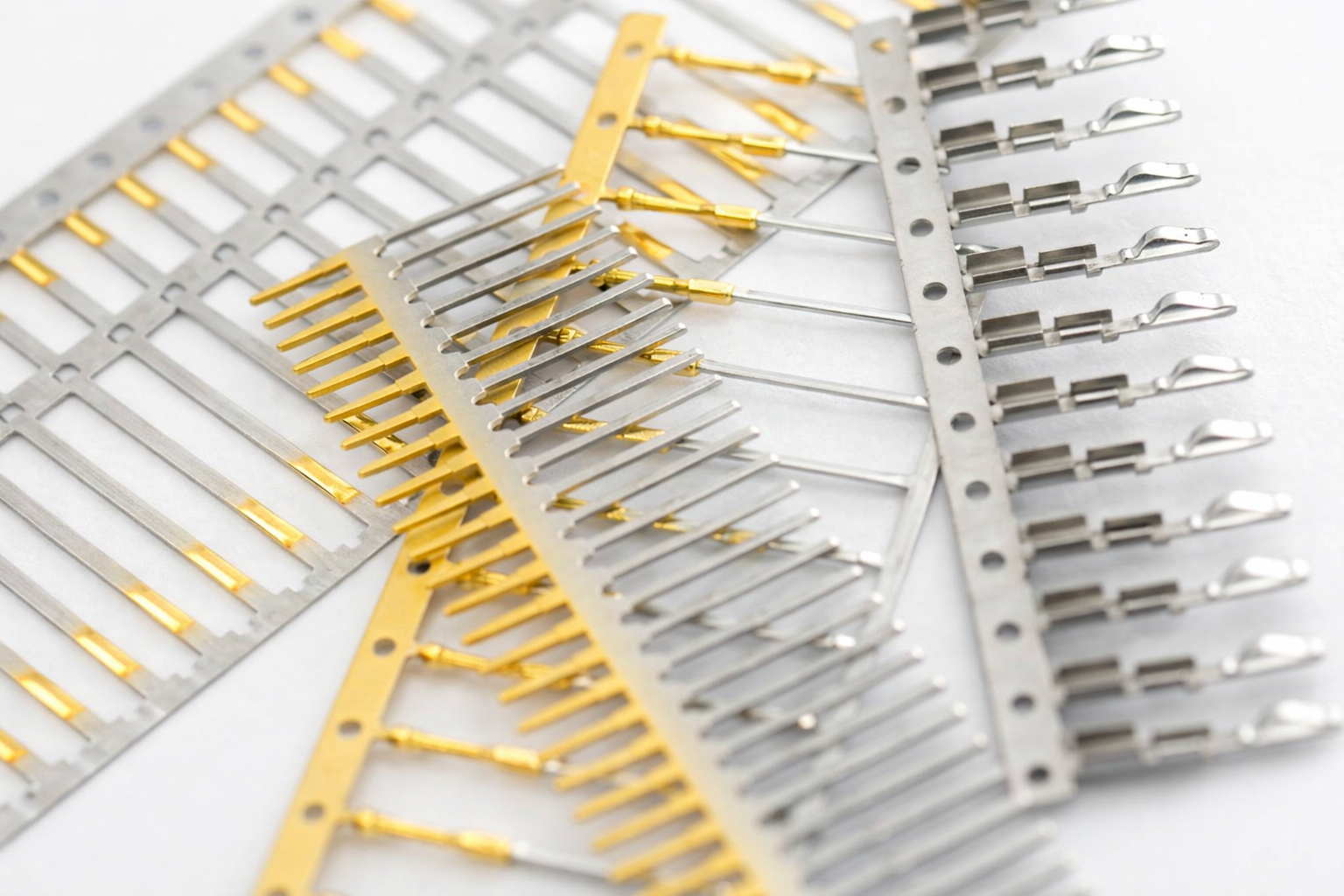
Best Terminal Materials by Temperature
If you need a fast decision, use this guideline:
Below 150°C → Brass or phosphor bronze with tin plating
150–300°C → Nickel-plated copper or silver-plated copper
Above 300°C → Stainless steel or nickel-based alloys
Best conductivity → Silver-plated copper
Best oxidation resistance → Nickel plating or stainless steel
👉 In most industrial and automotive applications, nickel-plated copper alloys offer the best balance of performance and cost.
Why Material Selection Matters
In high-temperature environments, terminal performance is not just about conductivity—it is about long-term reliability.
Poor material selection can lead to:
Increased contact resistance
Oxidation and corrosion
Loss of mechanical strength (creep)
Electrical failure or overheating
These risks are especially critical in:
Automotive engine compartments
EV battery systems
Industrial heating equipment
Aerospace and high-reliability systems
This guide provides a practical, engineering-driven approach to selecting the right terminal materials based on temperature, conductivity, and application requirements.
Key Factors When Choosing Terminal Materials
Temperature Resistance
Define your working range first:
| Temperature Range | Typical Requirement |
| <150°C | Standard applications |
| 150–300°C | Automotive / industrial |
| 300°C+ | Extreme environments |
Higher temperatures accelerate:
Oxidation
Material softening
Loss of spring force
Electrical Conductivity
Copper → Excellent conductivity
Stainless steel → Poor conductivity
👉 Trade-off:
Higher temperature resistance often comes at the cost of lower conductivity.
Oxidation & Corrosion Resistance
At elevated temperatures:
Copper oxidizes rapidly
Surface plating becomes critical
Key solutions:
Nickel plating → oxidation barrier
Silver plating → conductivity + stability
Mechanical Stability (Creep Resistance)
Creep = gradual deformation under heat + stress
This leads to:
Reduced contact force
Loose connections
Increased resistance
👉 Critical in:
Connectors
Spring terminals
Crimped connections
Cost vs Performance
| Material | Cost | Performance |
| Brass | Low | Moderate |
| Copper alloys | Medium | High |
| Silver-plated copper | High | Very high |
| Nickel alloys | Very high | Extreme |
👉 Engineering must balance:
performance, lifespan, and budget
Best Materials for High-Temperature Terminals
Copper and Copper Alloys (Brass, Phosphor Bronze)
Temperature range: Up to ~150–200°C
Advantages:
Excellent electrical conductivity
Easy to stamp and form
Cost-effective
Limitations:
Oxidation at high temperatures
Reduced mechanical stability
Best for:
Consumer electronics
Low-to-mid temperature connectors
Nickel-Plated Copper
Temperature range: Up to ~300°C
Advantages:
Strong oxidation resistance
Maintains conductivity
Cost-effective upgrade
Limitations:
Slightly higher cost than bare copper
Best for:
Automotive wiring systems
Industrial connectors
👉 This is the most commonly recommended solution.
Silver-Plated Copper
Temperature range: 300°C+ (depending on design)
Advantages:
Highest electrical conductivity
Excellent thermal stability
Low contact resistance
Limitations:
Higher cost
Tarnishing in certain environments
Best for:
High-current systems
Aerospace and EV applications
Stainless Steel
Temperature range: 400°C+
Advantages:
Exceptional heat resistance
Strong mechanical stability
Excellent oxidation resistance
Limitations:
Poor electrical conductivity
Best for:
Structural terminals
High-temperature mechanical connections
Nickel-Based Alloys
Temperature range: Extreme (>500°C)
Advantages:
Outstanding heat resistance
Excellent creep resistance
Limitations:
Very expensive
Difficult to process
Best for:
Aerospace
Specialized industrial systems
Material Comparison Table
| Material | Max Temp | Conductivity | Oxidation Resistance | Cost | Best Application |
| Brass | ~150°C | Good | Low | Low | General terminals |
| Phosphor Bronze | ~200°C | Good | Moderate | Medium | Spring terminals |
| Nickel-Plated Copper | ~300°C | Excellent | High | Medium | Automotive |
| Silver-Plated Copper | 300°C+ | Excellent | High | High | High-current |
| Stainless Steel | 400°C+ | Low | Very high | Medium | Structural |
| Nickel Alloys | 500°C+ | Medium | Excellent | Very high | Aerospace |
Surface Plating for High-Temperature Terminals
Tin Plating
Low cost
Suitable for <150°C
Not recommended for high heat
Nickel Plating
Excellent oxidation barrier
Improves durability
Widely used in automotive
Silver Plating
Best electrical performance
Suitable for high temperature
Used in demanding applications
👉 Key Insight:
In high-temperature environments, plating is often more critical than the base material.
Material Selection by Temperature (Practical Guide)
Below 150°C
Brass / phosphor bronze
Tin plating
150–300°C
Nickel-plated copper
Silver-plated copper
Above 300°C
Stainless steel
Nickel alloys
👉 This section directly answers:
“What should I choose?”
Common Failure Modes in High-Temperature Terminals
Understanding failure helps prevent it:
Oxidation
Increases resistance
Causes overheating
Creep Deformation
Loss of contact pressure
Leads to unstable connections
Plating Degradation
Exposure of base metal
Accelerated corrosion
Thermal Expansion Issues
Loosening of connections
👉 Proper material selection eliminates most of these risks.
Application Scenarios
Automotive
Engine compartments
EV battery connections
Industrial Equipment
Heating systems
Motors
Aerospace
Extreme temperature environments
Electronics
High-power connectors
Heat-sensitive housings
Step-by-Step Material Selection Guide
- Identify operating temperature
- Determine current load
- Evaluate environmental exposure
- Select base material
- Choose plating
- Validate with testing
Why Work with a Custom Terminal Manufacturer

Choosing the right material is only part of the solution.
A qualified manufacturer can help you with:
Material selection based on real applications
DFM (Design for Manufacturing) optimization
High-temperature performance validation
Custom stamping and plating solutions
Cost reduction strategies
Conclusion
There is no one-size-fits-all solution for high-temperature terminals.
The optimal choice depends on:
Temperature range
Electrical requirements
Environmental conditions
Budget constraints
However, in most cases:
Nickel-plated copper offers the best balance
Silver-plated copper is ideal for high-performance systems
Stainless steel is reserved for extreme conditions
Get Expert Support for Your Terminal Project
If you are designing terminals for high-temperature applications, selecting the right material early can save significant cost and risk.
Qianwei Precision can support you with:
Custom terminal design
Material recommendation
High-temperature plating solutions
Prototype to mass production
Send us your drawings, temperature requirements, or application details today to receive:
Fast quotation
Engineering feedback
Optimized material solution
👉 Contact us now to start your project.
FAQs
- What is the best material for high-temperature terminals?
Nickel-plated copper is the most balanced solution, while silver-plated copper is best for high-performance applications. - Can copper be used in high-temperature environments?
Yes, but it requires proper plating (nickel or silver) to prevent oxidation. - Is stainless steel suitable for electrical terminals?
It is suitable for high-temperature environments but has lower conductivity. - What plating is best for high temperatures?
Nickel and silver plating are the most effective options.

