

Introduction
As the world accelerates toward clean energy, renewable systems such as solar, wind, and energy storage are expanding at an unprecedented rate. Behind every efficient system is a critical but often overlooked component: electrical terminals.
From solar inverters to battery storage units, electrical terminals ensure stable current transmission, secure connections, and long-term reliability. However, renewable energy environments are far more demanding than traditional applications. Factors like high current loads, extreme weather, corrosion, and vibration can quickly expose the weaknesses of low-quality terminals.
In this guide, you’ll learn everything you need to know about electrical terminals for renewable energy systems—including types, materials, applications, and how to choose the right solution for your project.
What Are Electrical Terminals in Renewable Energy Systems?
Electrical terminals are connectors used to securely join electrical conductors to equipment, such as batteries, inverters, and distribution systems.
Key Functions:
- Ensure efficient electrical conductivity
- Provide mechanical stability
- Enable safe installation and maintenance
What Makes Renewable Energy Terminals Different?
Compared to standard terminals, those used in renewable systems must meet higher requirements:
- Higher current capacity (especially in energy storage systems)
- Superior corrosion resistance (outdoor exposure)
- Long-term durability (20–30 year lifespan expectations)
Types of Electrical Terminals Used in Renewable Energy
Choosing the right terminal type is essential for system performance.
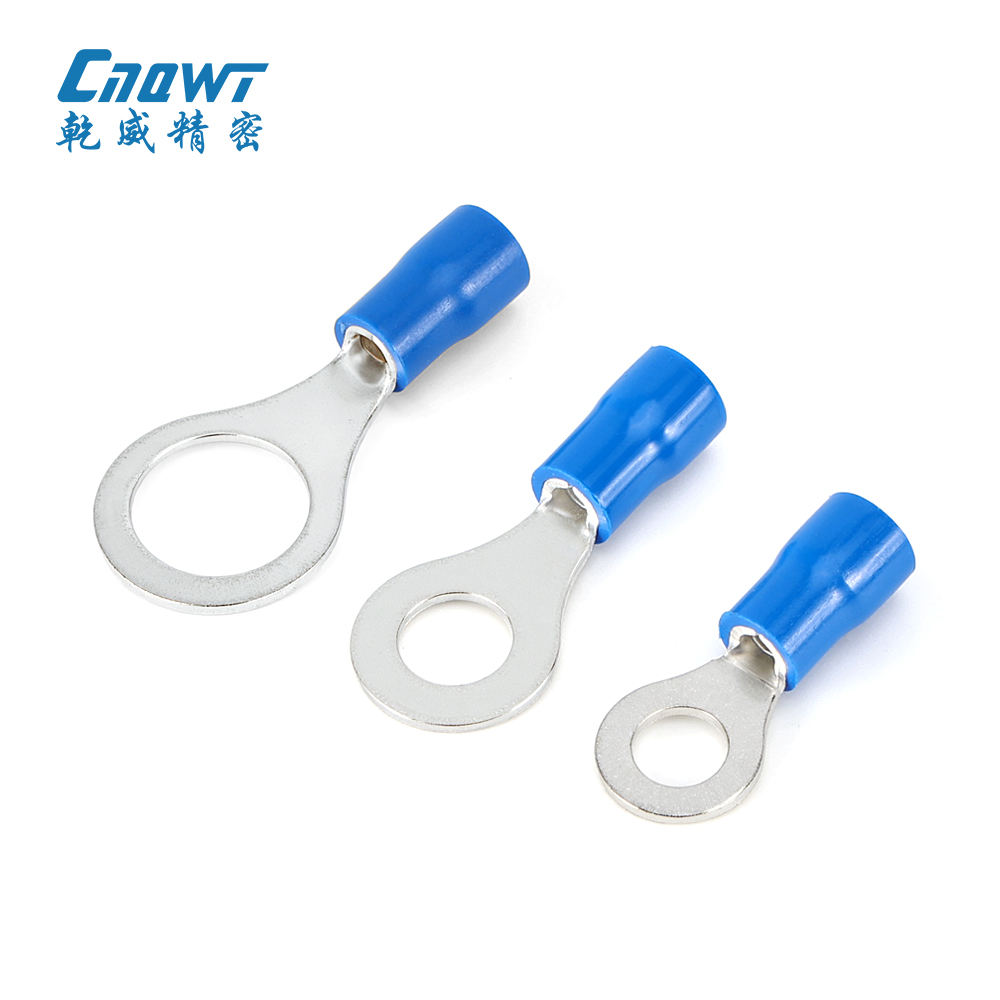
1. Ring Terminals
- Provide a secure, vibration-resistant connection
- Widely used in:
- Battery systems
- Inverters
- Grounding applications
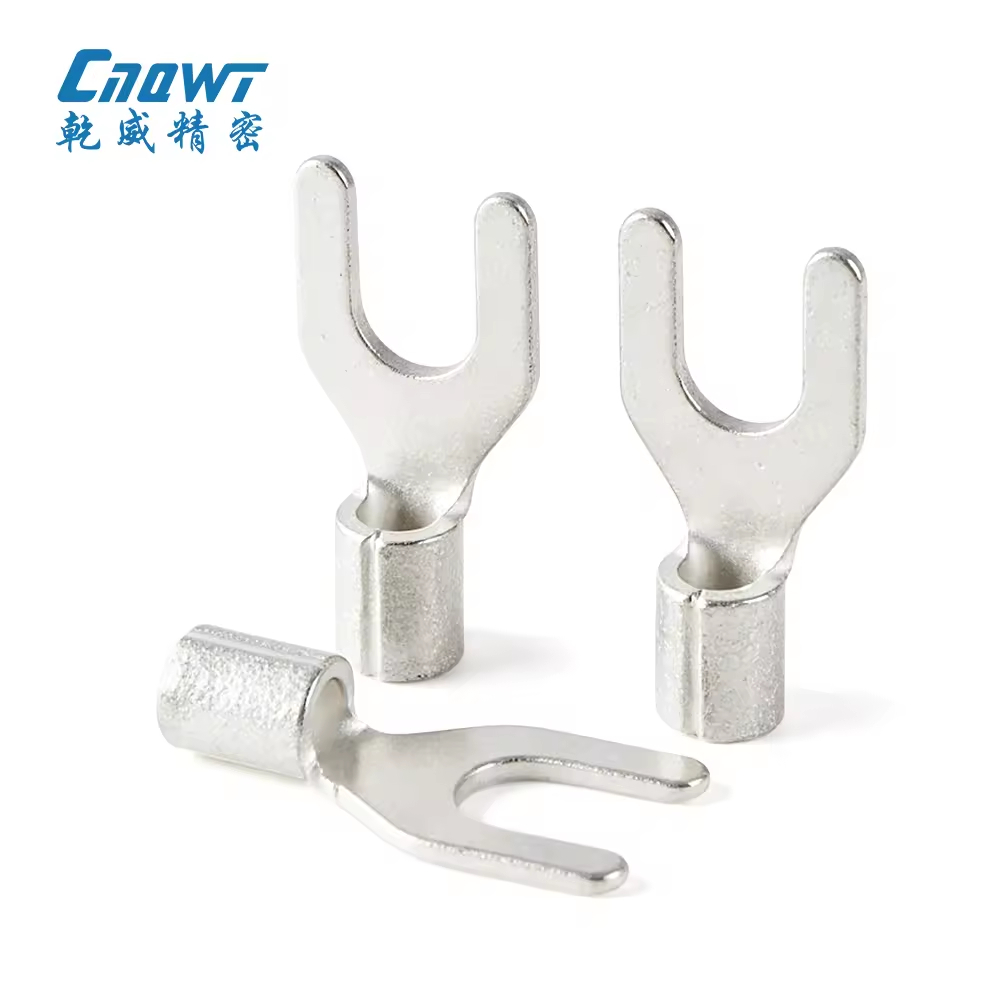
 2. Fork (Spade) Terminals
 2.
2. - Allow quick installation and removal
- Suitable for maintenance-friendly systems
3. Pin Terminals
- Used in control panels and signal connections
- Ideal for compact electrical interfaces
4. Battery Cable Lugs
- Designed for high-current applications
- Essential in:
- Energy storage systems (ESS)
- Solar battery banks
5. Busbar Connectors
- Used for large-scale power distribution
- Common in industrial renewable installations
Key Materials for Renewable Energy Terminals
Material selection directly impacts performance and lifespan.
Copper Terminals
- Excellent conductivity
- High mechanical strength
- Industry standard for most applications
Tinned Copper Terminals
- Copper with tin plating
- Enhanced corrosion resistance
- Ideal for:
- Solar installations
- Offshore wind systems
Aluminum Terminals
- Lightweight and cost-effective
- Used in specific large-scale power systems
Application Scenarios in Renewable Energy
This is where terminals prove their real value.
Solar Power Systems
Electrical terminals are used in:
- PV module connections
- Inverter wiring
- Battery storage integration
They must withstand:
- UV exposure
- Temperature fluctuations
- Long service life requirements
Wind Energy Systems
Wind turbines operate in harsh conditions:
- Constant vibration
- Moisture and salt exposure
- High electrical loads
Terminals must offer:
- Strong mechanical stability
- Anti-corrosion properties
Energy Storage Systems (ESS)
ESS is one of the fastest-growing sectors.
Key requirements:
- High current handling
- Heat resistance
- Safety and reliability
Battery cable lugs are especially critical in this application.
EV Charging Infrastructure
With the rise of electric vehicles, charging systems demand:
- High power transmission
- Reliable connections
- Thermal stability
Environmental Challenges & Requirements
Renewable energy terminals must perform under extreme conditions.
Corrosion Resistance
- Essential for outdoor and marine environments
Temperature Extremes
- Systems must operate in both high heat and freezing conditions
UV Exposure
- Especially critical in solar installations
Vibration Resistance
- Required in wind turbines and mobile systems
How to Choose the Right Electrical Terminals
Selecting the right terminal is crucial for system reliability.
1. Match Current Capacity
Always choose terminals that can handle peak load—not just average current.
2. Select the Right Material
- Indoor → Copper
- Outdoor → Tinned copper
3. Consider Environmental Conditions
- Humidity → Anti-corrosion plating
- Vibration → Reinforced design
4. Verify Certifications
Ensure compliance with:
- UL
- IEC
- RoHS
5. Evaluate Customization Needs
Standard terminals may not fit all applications.
Industry Standards & Certifications
Reliable terminals should meet:
- UL (Safety compliance)
- IEC (International standards)
- RoHS (Environmental safety)
- ISO (Quality management)
These certifications ensure product reliability and global usability.
Why Quality Electrical Terminals Matter
Using low-quality terminals can result in:
- System failure
- Fire hazards
- Increased maintenance costs
High-quality terminals provide:
- Stable performance
- Longer lifespan
- Lower total cost of ownership
Custom Electrical Terminals for Renewable Energy
In many projects, standard products are not enough.
When Custom Terminals Are Needed
- Non-standard cable sizes
- Unique installation constraints
- Harsh operating environments
Customization Options
- Material selection (Copper, Brass)
- Surface plating (Tin, Nickel)
- Structural design
- Crimping compatibility
Why Choose Qianwei Precision?
When it comes to reliable electrical terminals, Qianwei Precision offers a strong competitive advantage:
- Extensive experience in custom terminal manufacturing
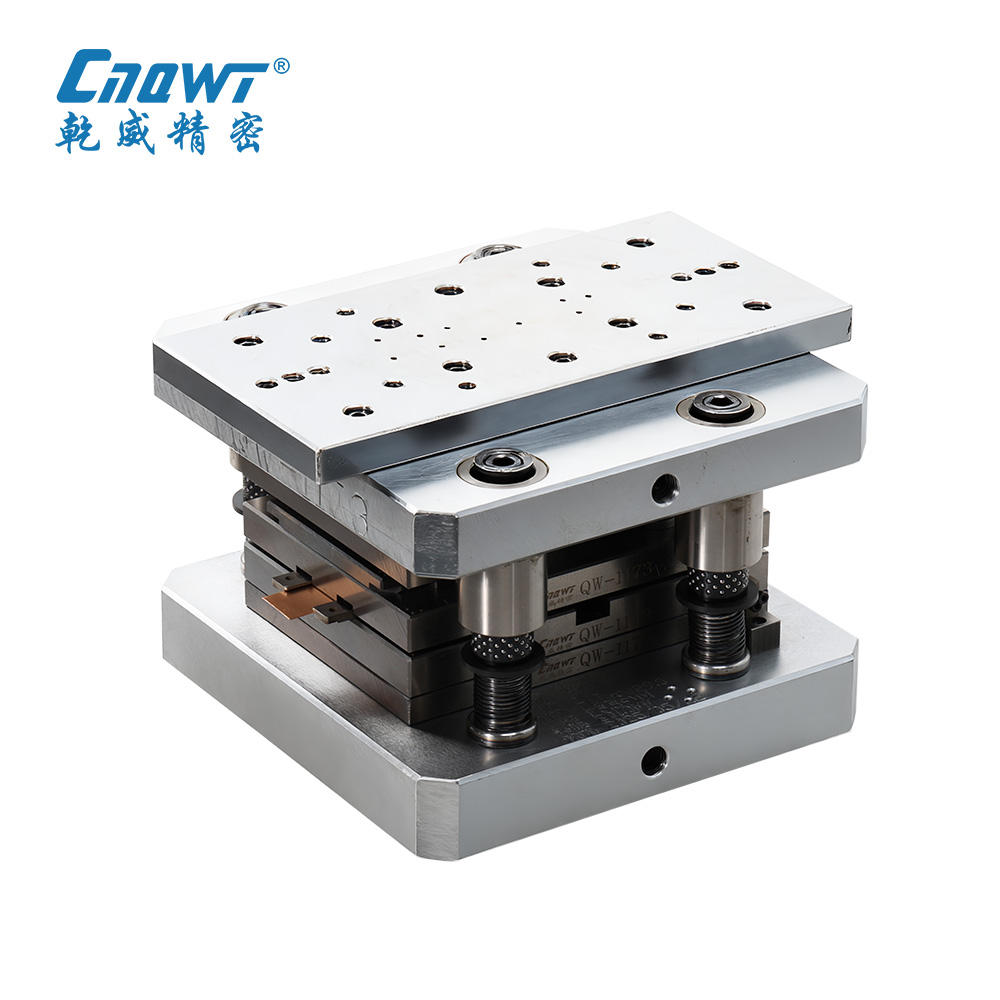
- Over 1800+ mass-production stamping and injection molds
- Fast tooling development and modification
- High-precision automated mold processing center
- Proven supply capability for global renewable energy projects
 We help customers:
- Reduce development time
- Improve product reliability
- Optimize total procurement cost
👉 Get a Quote Today
- Send your drawings or technical requirements
- Request free samples
- Receive a quotation within 24 hours
Conclusion
Electrical terminals are a foundational component in renewable energy systems. Choosing the right type, material, and design ensures efficient power transmission, long-term reliability, and system safety.
As renewable energy projects become more complex, the demand for high-quality and customized terminal solutions continues to grow.
If you’re looking for a reliable partner, Qianwei Precision is ready to support your next project with precision-engineered, high-performance electrical terminals.
FAQs
1. What terminals are used in solar systems?
Ring terminals, MC-type connectors, and battery lugs are commonly used.
2. Are copper terminals better for renewable energy?
Yes, due to superior conductivity and durability.
3. How do you prevent corrosion in outdoor terminals?
Use tinned copper terminals and protective coatings.
4. What is the best terminal for energy storage systems?
Battery cable lugs are the most suitable for high-current applications.
5. Can terminals handle high current loads?
Yes, if properly sized and made from high-quality materials.
6. What certifications should terminals have?
UL, IEC, RoHS, and ISO certifications are recommended.
7. How long do terminals last in solar systems?
High-quality terminals can last 20+ years.
8. What causes terminal failure?
Poor material, incorrect sizing, or improper installation.
9. Are custom terminals necessary?
Yes, especially for specialized or high-demand applications.
10. What is the difference between lugs and terminals?
Lugs are a type of terminal designed for high-current connections.

