

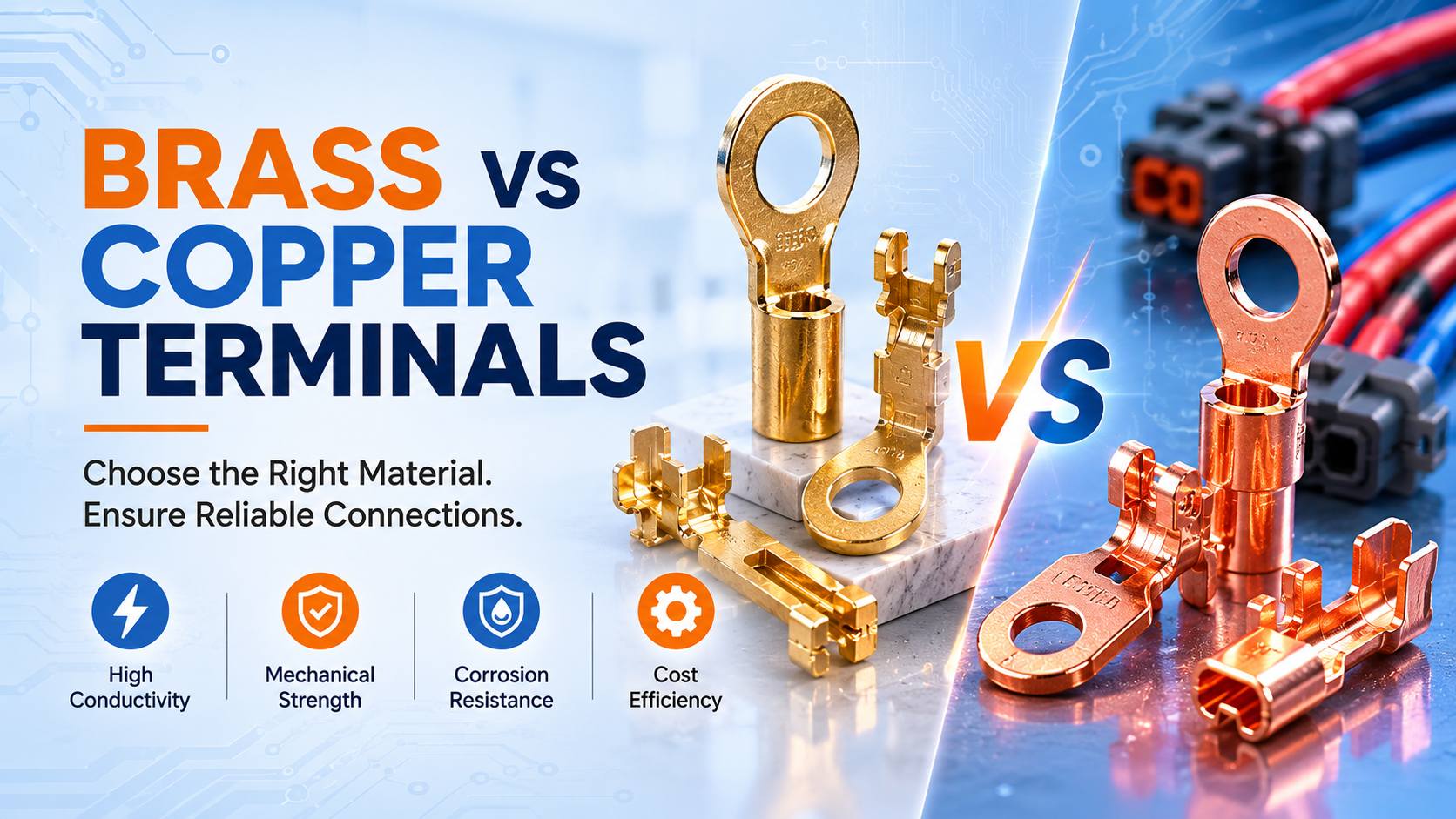
When designing electrical systems, selecting the right terminal material is just as important as choosing the correct terminal type, plating, or wire size. The material used in a terminal directly affects conductivity, mechanical strength, corrosion resistance, manufacturing cost, and overall reliability.
Among the various materials available, copper and brass are the two most commonly used in electrical terminals. Both materials offer unique advantages and are widely used across industries such as automotive, industrial automation, renewable energy, consumer electronics, telecommunications, and aerospace systems.
However, many engineers and buyers often ask the same question: Which is better, brass or copper terminals?
The answer depends on the application. While copper provides superior electrical conductivity and current-carrying capacity, brass offers greater mechanical strength, durability, and manufacturing efficiency.
This article provides a detailed comparison of brass and copper terminals, helping engineers, OEM manufacturers, and procurement teams make informed material selection decisions.
Understanding Electrical Terminal Materials
Electrical terminals serve as the connection point between wires, connectors, switches, relays, batteries, and other electrical components. The performance of these connections depends heavily on the properties of the terminal material.
A suitable terminal material should provide:
- Excellent electrical conductivity
- Low contact resistance
- Adequate mechanical strength
- Corrosion resistance
- Long service life
- Good manufacturability
Although materials such as phosphor bronze and beryllium copper are used in specialized applications, copper and brass remain the most common choices because of their balance between performance and cost.
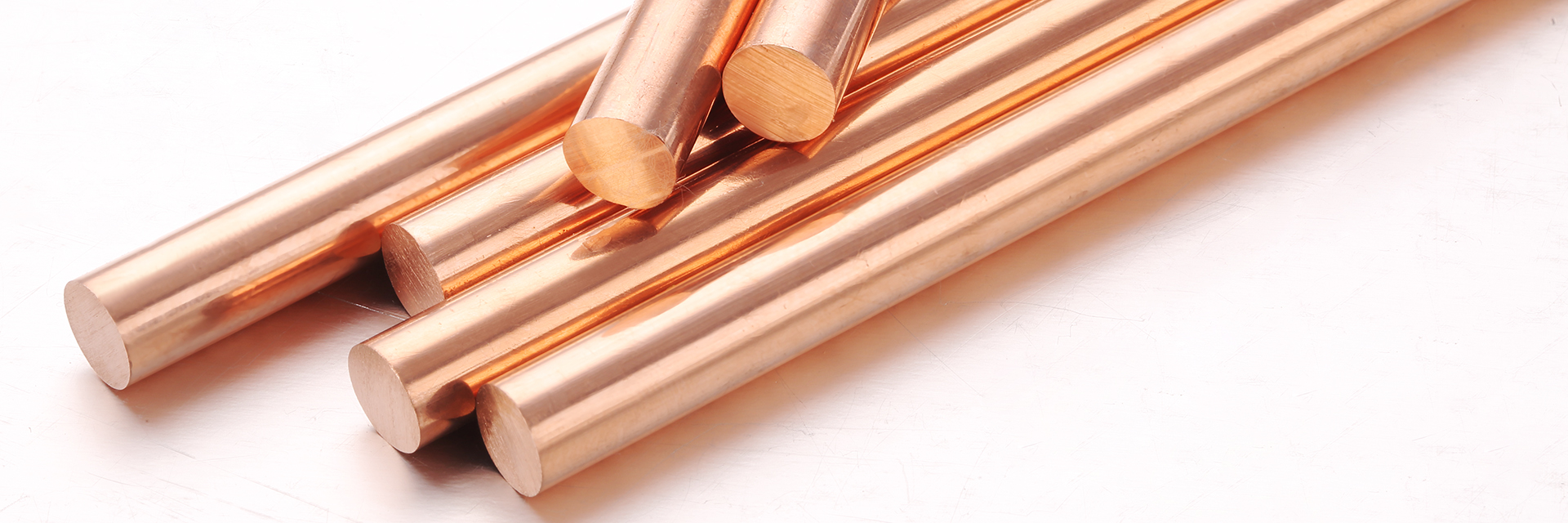
What Are Copper Terminals?
Copper terminals are manufactured from high-conductivity copper or copper alloys. Copper has long been considered the preferred material for electrical conductors because of its outstanding electrical and thermal properties.
Pure copper offers conductivity levels close to the maximum achievable for commercial metals, making it ideal for power transmission applications.
Properties of Copper
Copper possesses several characteristics that make it highly attractive for electrical connections:
- Excellent electrical conductivity
- High thermal conductivity
- Good corrosion resistance
- High ductility
- Excellent formability
- Stable long-term performance
These properties make copper one of the most widely used conductive materials in the electrical industry.
Advantages of Copper Terminals
Superior Electrical Conductivity
The primary advantage of copper terminals is conductivity.
Copper provides approximately 100% IACS (International Annealed Copper Standard) conductivity, making it one of the most efficient conductive materials available.
This enables:
- Lower voltage drop
- Reduced energy loss
- Improved power transfer efficiency
- Stable electrical performance
Lower Contact Resistance
Because of its conductivity, copper naturally exhibits lower contact resistance than brass.
Lower resistance results in:
- Reduced heat generation
- Higher energy efficiency
- Improved system reliability
This is particularly important in high-current applications.
Higher Current Carrying Capacity
Copper terminals can safely handle higher electrical loads than similarly sized brass terminals.
Applications that require substantial power transmission often benefit from copper’s superior conductivity.
Examples include:
- Battery systems
- Power distribution equipment
- Electric vehicles
- Renewable energy installations
Excellent Heat Dissipation
Copper’s thermal conductivity helps dissipate heat more effectively.
This reduces the likelihood of:
- Overheating
- Thermal degradation
- Connection failure
High-current systems particularly benefit from improved heat management.
Limitations of Copper Terminals
Despite its electrical advantages, copper is not perfect.
Lower Mechanical Strength
Pure copper is relatively soft compared to brass.
This softness can lead to:
- Deformation during handling
- Reduced wear resistance
- Lower dimensional stability
Higher Material Cost
Copper generally costs more than brass due to market demand and raw material pricing.
Large-volume projects may experience noticeable cost increases when using copper terminals.
Greater Susceptibility to Mechanical Damage
Copper terminals may deform more easily during assembly or repeated connection cycles.
For applications requiring frequent mating and unmating, brass often performs better.
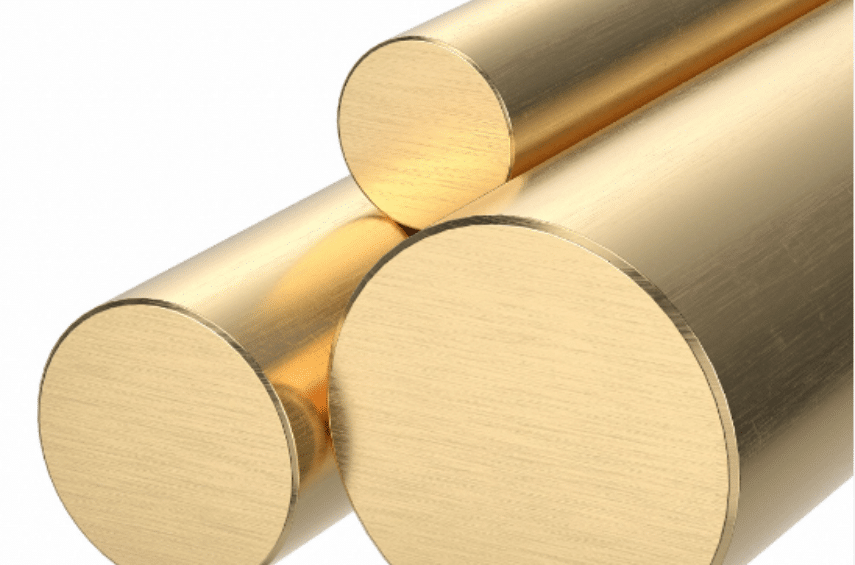
What Are Brass Terminals?
Brass terminals are manufactured from a copper-zinc alloy known as brass.
By combining copper with zinc, brass achieves a balance between conductivity and mechanical strength.
Although brass does not conduct electricity as efficiently as copper, it offers several advantages that make it highly suitable for many electrical applications.
Properties of Brass
Brass terminals typically provide:
- Higher hardness
- Better wear resistance
- Improved mechanical strength
- Excellent machinability
- Good corrosion resistance
- Cost-effective manufacturing
These characteristics make brass a popular choice for connector contacts and precision components.
Advantages of Brass Terminals
Higher Mechanical Strength
One of brass’s biggest advantages is strength.
Brass terminals resist:
- Bending
- Deformation
- Mechanical wear
better than pure copper terminals.
This improves durability during installation and operation.
Better Durability Under Repeated Use
Many connector systems involve frequent insertion and removal cycles.
Brass maintains dimensional stability better than copper under repeated mechanical stress.
As a result, brass terminals are commonly used in:
- Connector contacts
- Plug-and-socket systems
- Consumer electronics
Easier Precision Manufacturing
Brass offers excellent machinability and stamping performance.
Manufacturers can produce:
- Complex geometries
- Tight tolerances
- Miniature terminals
more efficiently using brass.
Lower Cost
Brass generally costs less than pure copper.
For large-volume manufacturing projects, brass can provide meaningful cost savings while maintaining acceptable electrical performance.
Limitations of Brass Terminals
Lower Electrical Conductivity
The biggest disadvantage of brass is reduced conductivity.
Most brass alloys provide approximately 25%–35% IACS conductivity.
This is significantly lower than copper.
Higher Electrical Resistance
Because conductivity is lower, brass terminals typically exhibit:
- Higher resistance
- Increased heat generation
- Reduced power efficiency
under equivalent electrical loads.
Lower Current Capacity
Brass terminals are generally less suitable for high-current applications where electrical efficiency is critical.
Brass vs Copper Terminals: Side-by-Side Comparison
Electrical Performance Comparison
| Property | Copper | Brass |
|---|---|---|
| Conductivity | Excellent | Moderate |
| Contact Resistance | Lower | Higher |
| Current Capacity | Higher | Lower |
| Heat Dissipation | Better | Moderate |
| Voltage Drop | Lower | Higher |
For power transmission applications, copper clearly offers superior electrical performance.
Mechanical Performance Comparison
| Property | Copper | Brass |
|---|---|---|
| Hardness | Lower | Higher |
| Wear Resistance | Moderate | Better |
| Deformation Resistance | Lower | Higher |
| Durability | Good | Excellent |
| Dimensional Stability | Moderate | Better |
For applications requiring mechanical durability, brass often has the advantage.
Cost Comparison
| Factor | Copper | Brass |
|---|---|---|
| Raw Material Cost | Higher | Lower |
| Manufacturing Cost | Higher | Lower |
| Lifecycle Efficiency | Better | Good |
| Initial Investment | Higher | Lower |
Cost-sensitive projects often favor brass terminals.
Why Conductivity Matters
Electrical conductivity directly affects connection performance.
Higher conductivity results in:
- Lower resistance
- Reduced energy loss
- Lower operating temperatures
- Improved efficiency
As current increases, the importance of conductivity becomes even greater.
Applications Requiring Maximum Conductivity
Copper terminals are typically preferred for:
Battery Connections
Battery systems require efficient current transfer with minimal losses.
Copper terminals provide superior performance.
Power Distribution Systems
Power distribution equipment relies on low-resistance connections to maximize efficiency.
Electric Vehicle Systems
EV battery packs and charging systems often use copper terminals because of their current-carrying requirements.
Renewable Energy Systems
Solar power and energy storage systems frequently utilize copper terminals to improve efficiency.
Applications Where Brass Is Preferred
Brass terminals are commonly used when mechanical durability outweighs conductivity concerns.
Examples include:
Signal Connectors
Low-current signal circuits often prioritize durability over conductivity.
Consumer Electronics
Compact connectors frequently use brass because of its strength and manufacturing advantages.
Communication Equipment
Telecommunication devices often employ brass contacts with specialized plating.
Corrosion Resistance Comparison
Environmental conditions significantly influence terminal performance.
Copper Corrosion Behavior
Copper naturally forms an oxide layer when exposed to air.
While oxidation may affect appearance, properly plated copper terminals generally provide excellent long-term performance.
Tin-plated copper terminals are especially common in industrial applications.
Brass Corrosion Behavior
Brass also resists corrosion effectively.
However, certain environments may cause:
- Surface tarnishing
- Zinc depletion (dezincification)
in aggressive conditions.
Proper plating greatly improves corrosion resistance.
Manufacturing Considerations
Material selection affects production efficiency.
Stamping Performance
Brass typically offers:
- Better dimensional stability
- Longer tool life
- Easier precision forming
These advantages help reduce manufacturing costs.
Formability
Copper’s softness improves formability but can create challenges in maintaining tight tolerances.
Brass generally performs better for miniature and precision terminals.
Plating Compatibility
Both materials support common plating options including:
- Tin plating
- Nickel plating
- Gold plating
- Silver plating
Plating often has a significant impact on final performance.
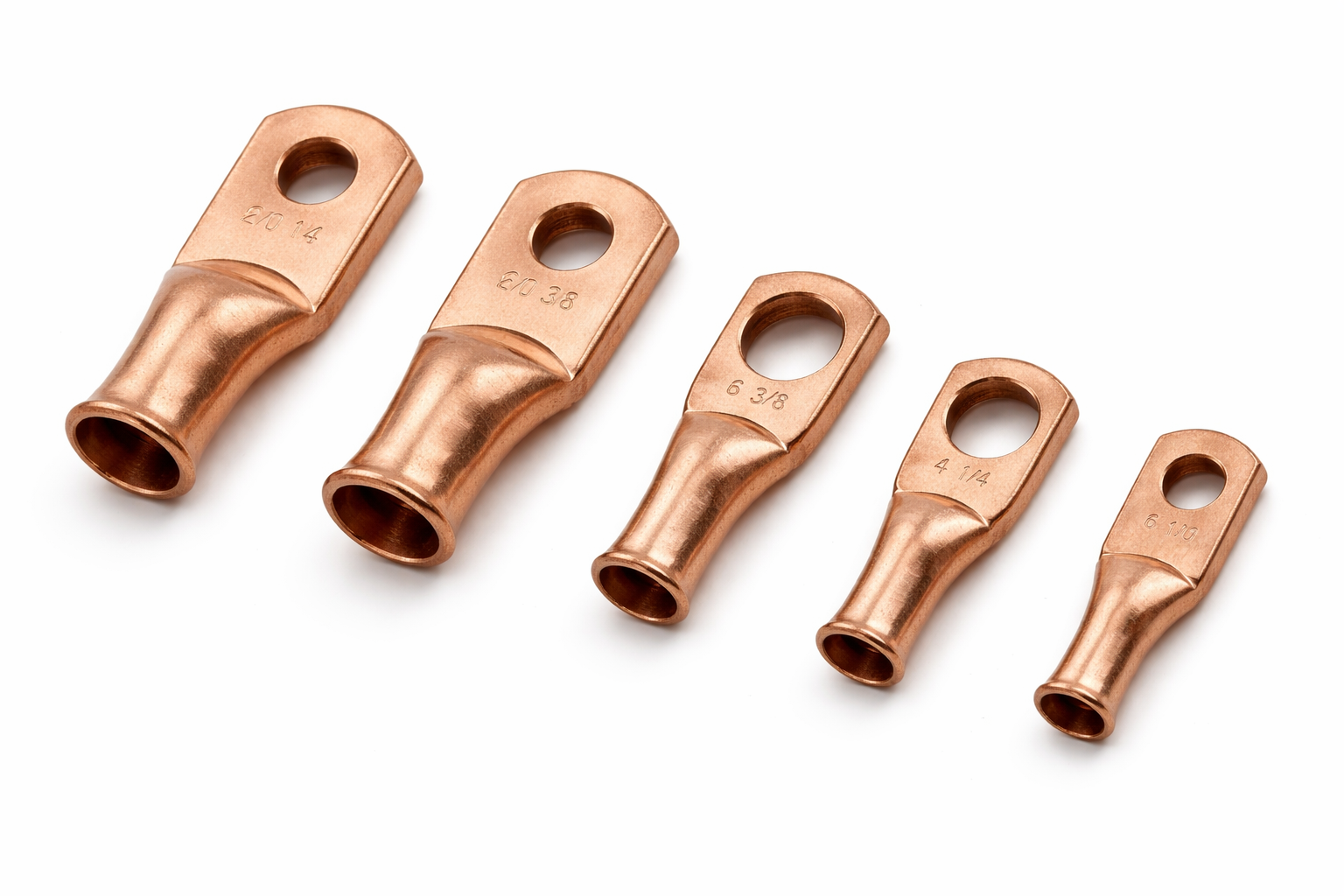
Which Material Is Better for Different Applications?
Automotive Systems
Power circuits typically favor copper terminals.
Connector contacts often utilize brass for durability.
Industrial Control Panels
Both materials are commonly used depending on current requirements.
Consumer Electronics
Brass terminals are frequently preferred due to their durability and cost efficiency.
Renewable Energy Systems
Copper terminals are generally recommended because of their superior conductivity.
Battery Connections
Copper remains the preferred choice for high-current battery applications.
Communication Equipment
Brass contacts with gold plating are widely used for signal transmission systems.
How to Choose Between Brass and Copper Terminals
Choose Copper When:
- High current is involved
- Low resistance is required
- Energy efficiency is critical
- Heat generation must be minimized
- Power transmission is the primary function
Choose Brass When:
- Mechanical durability is important
- Frequent connection cycles occur
- Manufacturing precision is required
- Cost control is a priority
- Current loads are relatively low
Questions to Consider
Before selecting terminal materials, engineers should ask:
- What current level will the terminal carry?
- Will the connection experience vibration?
- Is corrosion resistance required?
- How important is cost reduction?
- What is the expected service life?
The answers help determine the most appropriate material.
Testing Methods for Brass and Copper Terminals
Reliable manufacturers validate terminal performance through testing.
Common methods include:
Conductivity Testing
Measures electrical performance.
Contact Resistance Testing
Evaluates connection efficiency.
Pull-Out Force Testing
Measures mechanical retention strength.
Salt Spray Testing
Assesses corrosion resistance.
Temperature Rise Testing
Evaluates performance under electrical load.
Testing helps ensure materials meet application requirements.
Industry Standards and Certifications
Terminal materials often must comply with standards from:
- UL
- IEC
- ISO
Compliance improves safety, reliability, and market acceptance.
Future Trends in Terminal Materials
As electrical systems evolve, material requirements continue changing.
Key trends include:
- Growing EV demand
- High-conductivity copper alloys
- Lightweight electrical systems
- Advanced corrosion-resistant coatings
- Improved plating technologies
Future developments will focus on balancing conductivity, durability, and cost efficiency.
Conclusion
When comparing brass vs copper terminals, there is no single material that is universally better. The ideal choice depends on the application’s electrical, mechanical, environmental, and economic requirements.
Copper terminals provide superior conductivity, lower resistance, better heat dissipation, and higher current-carrying capacity. They are the preferred solution for battery systems, renewable energy installations, power distribution equipment, and electric vehicles.
Brass terminals offer greater mechanical strength, improved wear resistance, better dimensional stability, and lower manufacturing costs. They are widely used in connector contacts, consumer electronics, communication equipment, and applications requiring frequent mating cycles.
By carefully evaluating current requirements, environmental conditions, durability needs, and budget considerations, engineers and buyers can select the terminal material that delivers the best balance of performance and cost for their specific application. If you need to find the correct terminals, please contact Qianwei Precision.
FAQ
Which is more conductive, brass or copper?
Copper is significantly more conductive than brass, offering approximately 100% IACS conductivity compared to 25%–35% for brass.
Are brass terminals suitable for high-current applications?
Brass can be used in moderate-current applications, but copper is generally preferred for high-current systems.
Why are copper terminals commonly used in battery systems?
Copper provides lower resistance, better heat dissipation, and higher current-carrying capacity, making it ideal for battery connections.
Are brass terminals cheaper than copper terminals?
Yes. Brass is generally more cost-effective than pure copper and offers lower manufacturing costs.
Can brass terminals be plated?
Yes. Brass terminals can be plated with tin, nickel, gold, or silver to improve corrosion resistance and electrical performance.
Which material is better for automotive terminals?
Both are used. Copper is preferred for power circuits, while brass is often used for connector contacts due to its durability.
Do copper terminals corrode?
Copper can oxidize over time, but proper plating significantly improves corrosion resistance and long-term reliability.
How do I choose between brass and copper terminals?
Choose copper for maximum conductivity and power transmission. Choose brass when mechanical strength, durability, and cost efficiency are the primary considerations.

