

Introduction
As electrical systems become increasingly complex and are deployed in harsher environments, the demand for reliable and durable electrical connections continues to grow. From automotive wiring harnesses and electric vehicles to solar energy systems and industrial machinery, electrical connections are often exposed to moisture, dust, vibration, and extreme temperatures. In such conditions, conventional terminals may fail due to corrosion, short circuits, or degraded electrical performance.
This is where waterproof terminals play a critical role. Designed with specialized sealing structures and protective materials, waterproof terminals help prevent water ingress while maintaining stable electrical conductivity. They significantly improve system reliability, reduce maintenance costs, and extend the lifespan of electrical equipment.
In this article, we will explore the structure, working principles, performance characteristics, materials, testing methods, and applications of waterproof terminals, helping engineers, buyers, and manufacturers better understand how to select the right solution for demanding environments.
What Are Waterproof Terminals?
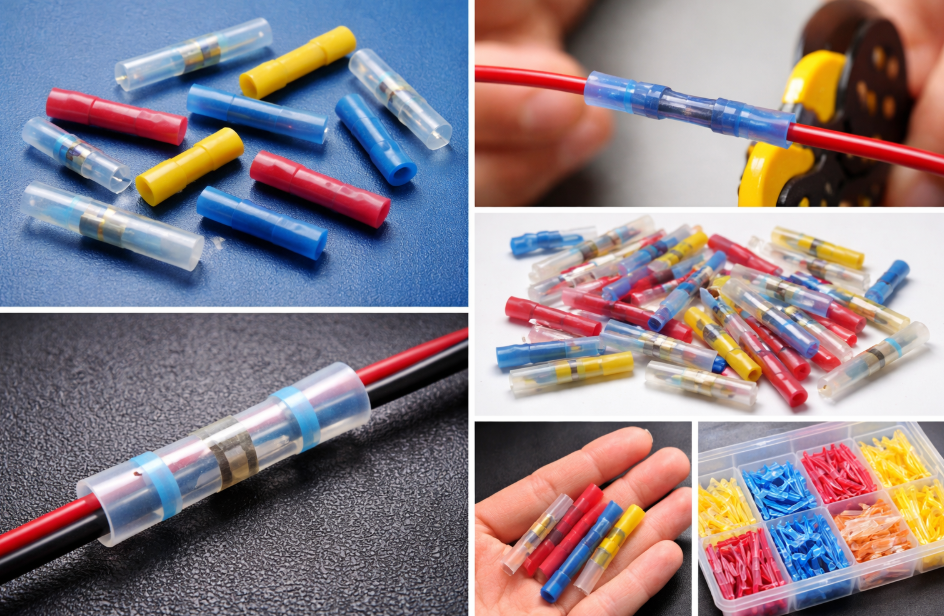
Waterproof terminals are electrical connection components specifically designed to prevent water, moisture, dust, and other contaminants from entering the contact area. Unlike standard terminals, waterproof terminals incorporate sealing elements that protect the conductive components from environmental exposure.
Their primary functions include:
- Providing secure electrical connections
- Preventing moisture penetration
- Maintaining low contact resistance
- Protecting against corrosion
- Ensuring long-term operational reliability
Waterproof terminals are commonly found in automotive systems, marine equipment, renewable energy installations, outdoor communication equipment, and industrial machinery.
Why Waterproof Protection Matters
Moisture is one of the most common causes of electrical failures. When water enters a connection point, it can lead to:
- Corrosion of metal contacts
- Increased electrical resistance
- Voltage drops
- Signal instability
- Short circuits
- Complete system failure
By preventing water ingress, waterproof terminals help maintain electrical integrity and reduce the risk of unexpected downtime.
Structure of Waterproof Terminals
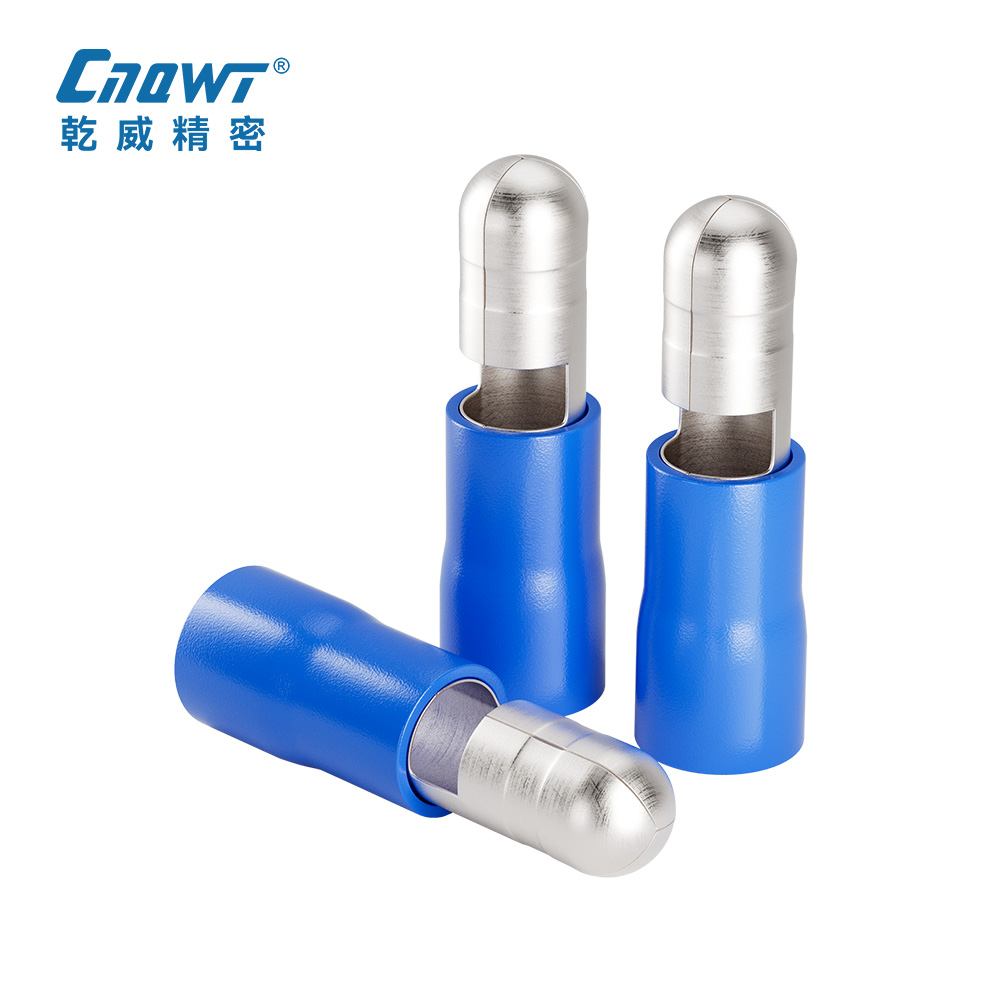
The effectiveness of a waterproof terminal depends largely on its structural design. Several components work together to achieve both electrical performance and environmental protection.
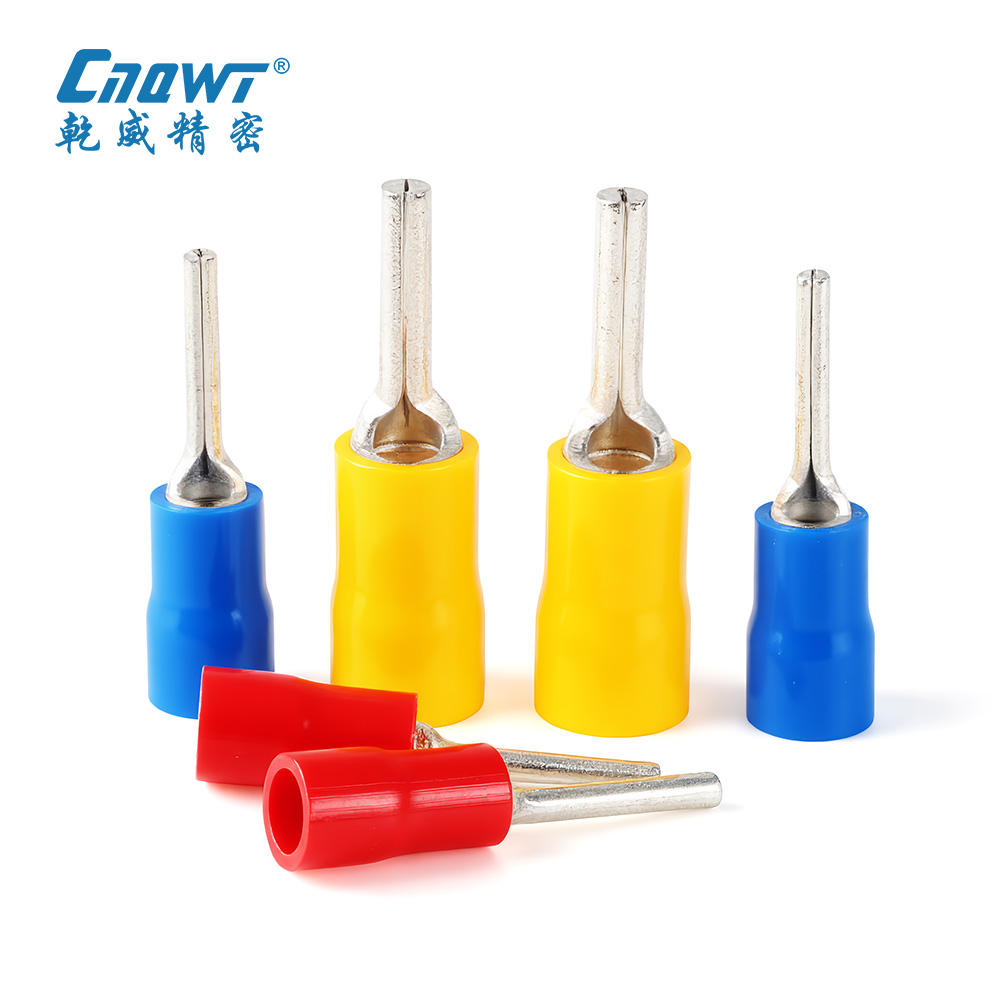
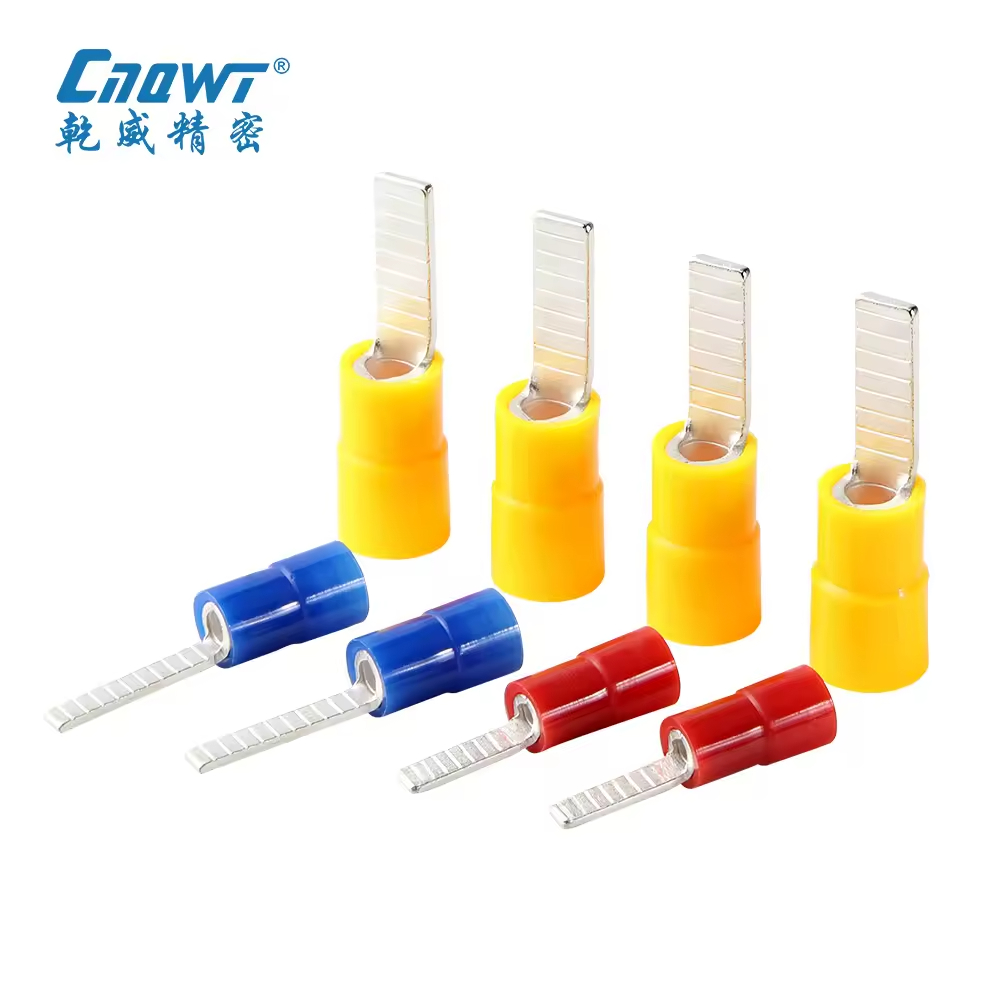
Conductive Terminal Contact
The conductive contact is the core component responsible for transmitting current or signals.
Common materials include:
Copper
Copper offers excellent conductivity and low resistance, making it ideal for high-current applications.
Brass
Brass provides a balance between conductivity, mechanical strength, and cost efficiency.
Phosphor Bronze
Phosphor bronze offers superior elasticity and fatigue resistance, making it suitable for connector contacts that require consistent contact pressure.
Insulating Housing
The housing surrounds and protects the conductive terminal.
Common housing materials include:
- PA66 Nylon
- PBT (Polybutylene Terephthalate)
- High-temperature engineering plastics
The housing provides:
- Electrical insulation
- Mechanical protection
- Environmental resistance
- Structural stability
Waterproof Sealing Components
The sealing system is what differentiates waterproof terminals from standard terminals.
Wire Seals
Located around the wire entry point, these seals prevent water from entering through the cable opening.
Common materials include:
- Silicone rubber
- EPDM rubber
- Thermoplastic elastomers
Interface Seals
These seals are positioned between mating connectors and prevent water penetration at the connection interface.
Rear Seals
Rear seals provide additional protection at the cable entry point and improve long-term sealing reliability.
Locking Mechanisms
Waterproof terminals often incorporate advanced locking systems.
These may include:
- Primary locks
- Secondary locks
- Terminal Position Assurance (TPA)
- Connector Position Assurance (CPA)
These features ensure proper assembly and prevent accidental disengagement during operation.
How Waterproof Terminals Work
Waterproof terminals rely on carefully engineered sealing mechanisms to prevent contaminants from reaching the contact area.
Compression Sealing
Compression sealing works by compressing an elastomer seal around the wire or connector body. This creates a tight barrier that blocks moisture entry.
Radial Sealing
Radial sealing applies pressure around the circumference of the wire, creating a watertight seal between the cable insulation and the connector housing.
Axial Sealing
Axial seals are compressed along the mating direction of the connector, protecting the interface between connected components.
Importance of Proper Crimping
Even the best waterproof terminal can fail if improperly crimped.
Correct crimping ensures:
- Proper seal compression
- Stable electrical contact
- Adequate pull-out strength
- Long-term waterproof performance
Improper crimping can damage seals or create gaps that allow moisture to enter the connection.
Waterproof Terminal Performance Characteristics
The quality of a waterproof terminal is evaluated through several critical performance parameters.
Waterproof Performance
The most important characteristic is resistance to water ingress.
This is typically measured through IP (Ingress Protection) ratings.
Common ratings include:
IP67
Protected against dust and temporary immersion in water up to 1 meter for 30 minutes.
IP68
Designed for continuous immersion under specified conditions.
IP69K
Provides protection against high-pressure, high-temperature water jets.
Electrical Performance
Waterproof terminals must maintain excellent electrical characteristics.
Key parameters include:
Contact Resistance
Lower contact resistance results in improved efficiency and reduced heat generation.
Current Carrying Capacity
The terminal must safely carry the required current without overheating.
Voltage Stability
Reliable terminals minimize voltage fluctuations and maintain stable electrical performance.
Mechanical Performance
Mechanical reliability is equally important.
Key factors include:
Terminal Retention Force
Measures how securely the terminal remains within the housing.
Pull-Out Strength
Determines the force required to separate the wire from the terminal.
Mating Durability
Evaluates how many insertion and removal cycles the connector can withstand.
Vibration Resistance
Critical for automotive, industrial, and transportation applications.
Thermal Performance
Many waterproof terminals operate in challenging temperature conditions.
Important thermal properties include:
- High-temperature resistance
- Low-temperature flexibility
- Thermal cycling durability
Thermal stability prevents seal degradation and maintains consistent performance over time.
Corrosion Resistance
Corrosion protection is one of the primary benefits of waterproof terminals.
Factors affecting corrosion resistance include:
- Base material selection
- Surface plating
- Seal integrity
- Environmental conditions
Tin-plated and nickel-plated terminals are commonly used to improve corrosion resistance.
Understanding IP Ratings
Ingress Protection (IP) ratings provide a standardized method for evaluating environmental protection.
IP65
- Complete dust protection
- Protection against low-pressure water jets
Commonly used in outdoor equipment.
IP67
- Complete dust protection
- Temporary immersion protection
Widely used in automotive wiring systems.
IP68
- Continuous immersion protection
Ideal for marine and underwater applications.
IP69K
- Protection against high-pressure washdowns
Common in food processing and heavy industrial equipment.
Selecting the correct IP rating depends on the operating environment and exposure conditions.
Materials and Surface Treatments
Material selection directly affects terminal performance.
Copper Waterproof Terminals
Advantages include:
- Excellent conductivity
- High current capacity
- Low energy loss
Applications:
- EV battery systems
- Power distribution
- Renewable energy equipment
Brass Waterproof Terminals
Benefits include:
- Good strength
- Easy manufacturing
- Cost-effectiveness
Applications:
- Automotive connectors
- Industrial equipment
Phosphor Bronze Waterproof Terminals
Advantages include:
- Excellent spring properties
- High fatigue resistance
- Reliable contact pressure
Applications:
- Connector contacts
- Signal transmission systems
Surface Plating Options
Tin Plating
The most common plating option.
Benefits:
- Corrosion resistance
- Good solderability
- Cost efficiency
Nickel Plating
Provides:
- High-temperature resistance
- Wear resistance
- Additional corrosion protection
Silver Plating
Used in high-current applications due to excellent conductivity.
Gold Plating
Suitable for low-voltage signal applications requiring superior reliability.
Testing Methods for Waterproof Terminals
Rigorous testing ensures consistent product quality.
Waterproof Testing
Waterproof testing verifies seal integrity under simulated environmental conditions.
Common methods include:
- Immersion testing
- Water spray testing
- Pressure testing
Salt Spray Testing
Salt spray testing evaluates corrosion resistance.
The test simulates long-term exposure to corrosive environments such as coastal regions.
Vibration Testing
Vibration testing verifies connector stability under mechanical stress.
This test is particularly important for:
- Automotive applications
- Construction equipment
- Industrial machinery
Thermal Cycling Testing
Thermal cycling exposes terminals to repeated temperature changes.
This evaluates:
- Seal durability
- Material stability
- Contact reliability
Pull-Out Force Testing
Pull-out testing measures the strength of the crimped connection.
A strong pull-out force indicates reliable mechanical performance.
Common Applications of Waterproof Terminals
Automotive Industry
Waterproof terminals are extensively used in:
- Wiring harnesses
- Sensors
- Lighting systems
- Engine compartments
- Electric vehicle battery systems
Automotive environments expose terminals to vibration, moisture, temperature fluctuations, and road contaminants.
Renewable Energy Systems
Renewable energy installations often operate outdoors for decades.
Applications include:
- Solar power systems
- Wind turbines
- Battery energy storage systems
- Inverters
Reliable waterproof connections are essential for maintaining system performance.
Marine Equipment
Marine environments are particularly challenging due to constant exposure to moisture and saltwater.
Waterproof terminals are used in:
- Navigation systems
- Battery connections
- Marine communication equipment
- Offshore electrical systems
Industrial Equipment
Industrial machinery frequently operates in dusty, wet, or high-vibration environments.
Applications include:
- Construction equipment
- Agricultural machinery
- Control cabinets
- Outdoor automation systems
Telecommunications
Outdoor communication infrastructure relies heavily on waterproof connections.
Typical applications include:
- Base stations
- Communication cabinets
- Network equipment
- Remote monitoring systems
How to Choose the Right Waterproof Terminal
Selecting the correct waterproof terminal requires careful consideration of multiple factors.
Evaluate Environmental Conditions
Consider:
- Indoor or outdoor installation
- Water exposure level
- Dust exposure
- Chemical exposure
- UV radiation
Determine Electrical Requirements
Assess:
- Current rating
- Voltage rating
- Wire size compatibility
- Signal transmission requirements
Select the Appropriate IP Rating
Choose a protection level that matches the operating environment without overengineering the solution.
Consider Material and Plating
Material selection should balance:
- Conductivity
- Corrosion resistance
- Mechanical strength
- Cost
Future Trends in Waterproof Terminal Technology
Several trends are shaping the future of waterproof terminal development.
Growth of Electric Vehicles
The expansion of EV production is driving demand for high-voltage waterproof terminals capable of handling larger currents.
Renewable Energy Expansion
Solar, wind, and energy storage projects continue increasing the need for durable outdoor electrical connections.
Miniaturization
As electronic devices become smaller, manufacturers are developing compact waterproof terminal designs without sacrificing performance.
Advanced Sealing Materials
New elastomer technologies are improving:
- Temperature resistance
- Chemical resistance
- Long-term durability
Smart Manufacturing
Automated assembly systems require terminals designed for efficient high-volume production while maintaining consistent quality.
Conclusion
Waterproof terminals are essential components in modern electrical systems that operate in demanding environments. By combining conductive contacts, protective housings, advanced sealing systems, and robust locking mechanisms, they provide reliable protection against water, dust, corrosion, and other environmental hazards.
Their performance depends on proper material selection, effective sealing design, rigorous testing, and correct installation. As industries such as electric vehicles, renewable energy, telecommunications, marine systems, and industrial automation continue to expand, the demand for high-quality waterproof terminals will only increase.
For manufacturers and buyers, investing in well-designed waterproof terminal solutions ensures improved reliability, longer service life, reduced maintenance costs, and superior electrical performance in even the harshest operating conditions. Qianwei Precision can meet your requirements, contact us today!
FAQs
1. What is a waterproof terminal?
A waterproof terminal is an electrical connector designed to prevent water, moisture, dust, and other contaminants from entering the connection, ensuring reliable electrical performance in harsh environments.
2. How do waterproof terminals prevent water ingress?
They use sealing components such as wire grommets, silicone or elastomer seals, and interface seals. Combined with precise housing and locking mechanisms, these prevent moisture from reaching the conductive contacts.
3. What is the difference between IP67, IP68, and IP69K terminals?
- IP67: Temporary immersion protection up to 1 meter for 30 minutes. Common in automotive wiring.
- IP68: Continuous immersion protection, ideal for marine or outdoor applications.
- IP69K: Protection against high-pressure, high-temperature washdowns. Used in industrial and heavy-duty equipment.
4. Which materials are commonly used for waterproof terminals?
Common materials include:
- Copper: High conductivity, ideal for high-current applications.
- Brass: Balanced strength and cost-effective.
- Phosphor Bronze: Excellent elasticity and fatigue resistance.
5. Are waterproof terminals corrosion-resistant?
Yes. With proper material selection (copper or brass) and surface plating (tin, nickel, silver, or gold), waterproof terminals provide excellent corrosion protection, especially when combined with sealing components.
6. How are waterproof terminals tested?
They undergo several tests including:
- Waterproof testing (immersion, water spray, pressure)
- Salt spray testing for corrosion resistance
- Vibration testing for mechanical stability
- Thermal cycling for extreme temperature performance
- Pull-out force testing for crimp and connection reliability
7. Can waterproof terminals be used in EV battery systems?
Absolutely. Waterproof terminals are commonly used in electric vehicle battery connections, high-voltage wiring, and charging infrastructure, where protection against moisture and corrosion is critical.
8. What causes waterproof terminal failure?
Common causes include:
- Improper crimping or damaged seals
- Incorrect installation or misaligned connectors
- Material degradation from UV, chemicals, or high temperatures
- Excessive mechanical stress or vibration
9. How do I select the correct waterproof terminal?
Consider:
- Environmental conditions (indoor/outdoor, moisture, dust, chemical exposure)
- Electrical requirements (current, voltage, wire size)
- Required IP rating (IP67, IP68, IP69K)
- Material and plating options for conductivity and corrosion resistance
10. Why is proper crimping important for waterproof terminals?
Proper crimping ensures:
- Effective seal compression
- Stable electrical contact
- Mechanical retention
- Long-term waterproof performance
Incorrect crimping can compromise seal integrity and cause premature failure.
11. What industries commonly use waterproof terminals?
- Automotive (cars, EVs, motorcycles)
- Renewable energy (solar panels, wind turbines, battery storage)
- Marine equipment (boats, navigation systems)
- Industrial machinery (construction, agricultural, automation)
- Telecommunications (outdoor cabinets, base stations)
12. How long do waterproof terminals last?
With proper material, plating, and installation, waterproof terminals can last 10–20 years in typical automotive or industrial applications. Lifespan depends on environmental exposure, load conditions, and maintenance.

