

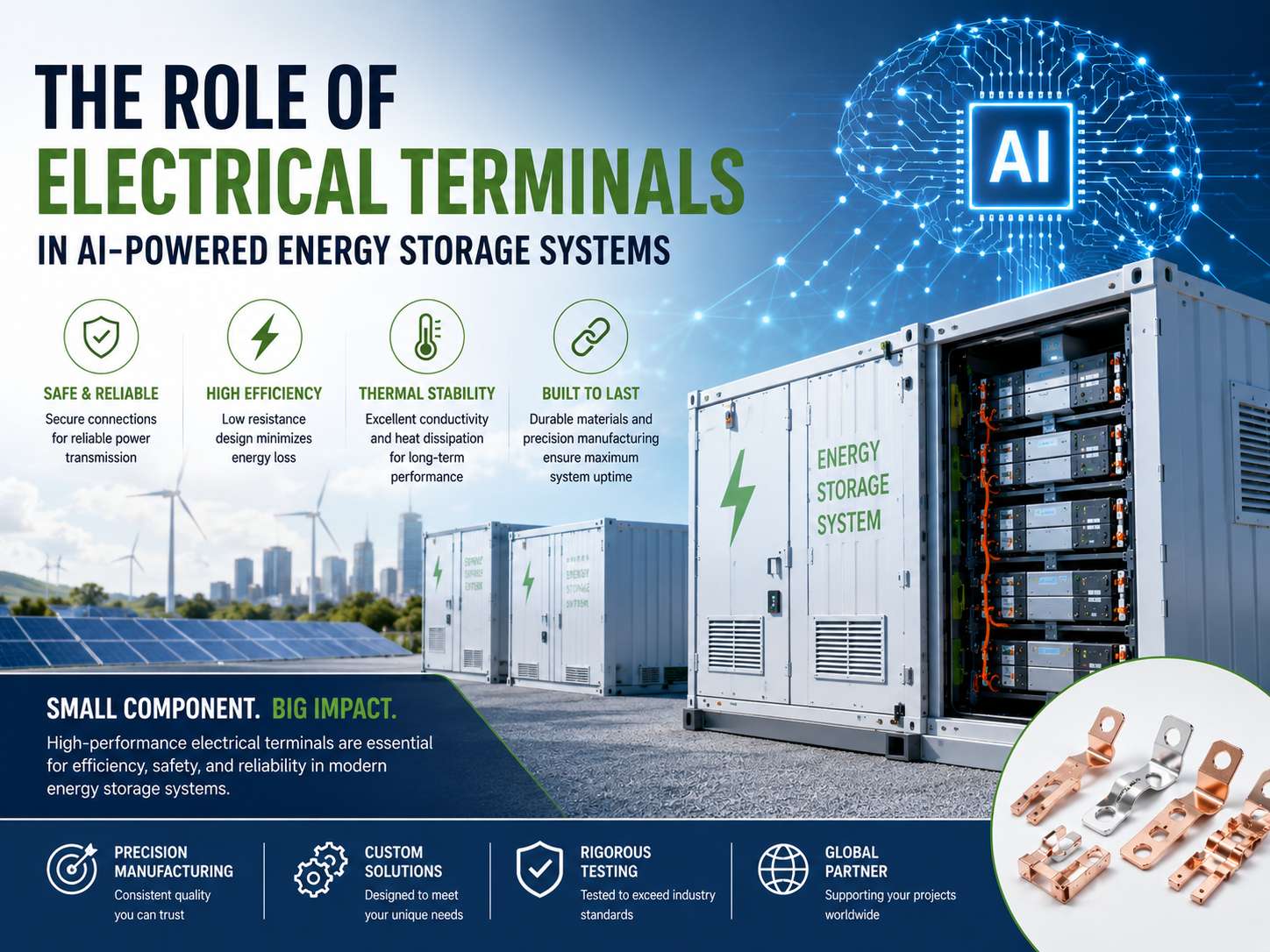
Artificial Intelligence (AI) is transforming industries at an unprecedented pace. From large language models and cloud computing platforms to autonomous vehicles and smart manufacturing systems, AI technologies are becoming an integral part of modern life. While much of the attention focuses on algorithms, processors, and software, there is another critical factor behind every AI application: reliable electrical power.
AI systems require enormous amounts of electricity. Training advanced AI models, operating GPU clusters, and supporting hyperscale data centers consume significantly more energy than traditional computing workloads. As global AI adoption continues to accelerate, electricity demand is rising rapidly, creating new challenges for power generation, distribution, and storage.
To address these challenges, Energy Storage Systems (ESS) have become increasingly important. These systems help stabilize power supplies, improve renewable energy utilization, and provide backup power for critical operations. However, the effectiveness of an energy storage system depends not only on batteries and software but also on the quality of the electrical connections that link every component together.
This is where electrical terminals play a crucial role.
Although electrical terminals are relatively small components, they serve as the essential connection points that allow electrical energy to flow safely and efficiently throughout an energy storage system. A poorly designed terminal can lead to energy losses, excessive heat generation, equipment failures, and costly downtime. Conversely, a high-quality terminal can improve system efficiency, reliability, and safety.
In this article, we’ll explore the role of electrical terminals in AI-powered energy storage systems, where they are used, the challenges they face, and why their design has become more important than ever.
Why AI Is Driving the Growth of Energy Storage Systems
The Explosion of AI Computing Power
Over the past few years, AI has dramatically increased global computing requirements.
Applications such as machine learning, natural language processing, image generation, and predictive analytics require massive amounts of processing power. Companies worldwide are investing heavily in AI infrastructure, building large-scale data centers equipped with thousands of high-performance GPUs and servers.
To put this into perspective:
- A standard office computer may consume less than 300 watts.
- A high-performance AI GPU can consume over 700 watts.
- An AI server rack may require tens of kilowatts.
- Large AI data centers can consume hundreds of megawatts of electricity.
As AI adoption expands, so does the demand for stable and reliable energy sources.
Challenges Facing Modern Power Grids
Traditional power grids were not designed to support the rapid growth of AI workloads.
Utilities now face several challenges:
- Increasing electricity demand
- Peak-load fluctuations
- Aging infrastructure
- Renewable energy variability
- Grid stability concerns
At the same time, many organizations are transitioning toward renewable energy sources such as solar and wind power. While these energy sources help reduce carbon emissions, they are naturally intermittent. Electricity production depends on weather conditions, creating fluctuations in power availability.
Why Energy Storage Systems Matter
Energy storage systems help bridge the gap between electricity generation and consumption.
They can:
- Store excess energy during periods of low demand
- Supply power during peak demand periods
- Improve grid reliability
- Support renewable energy integration
- Provide backup power for critical facilities
For AI data centers and other mission-critical applications, energy storage systems are becoming an essential part of modern infrastructure.
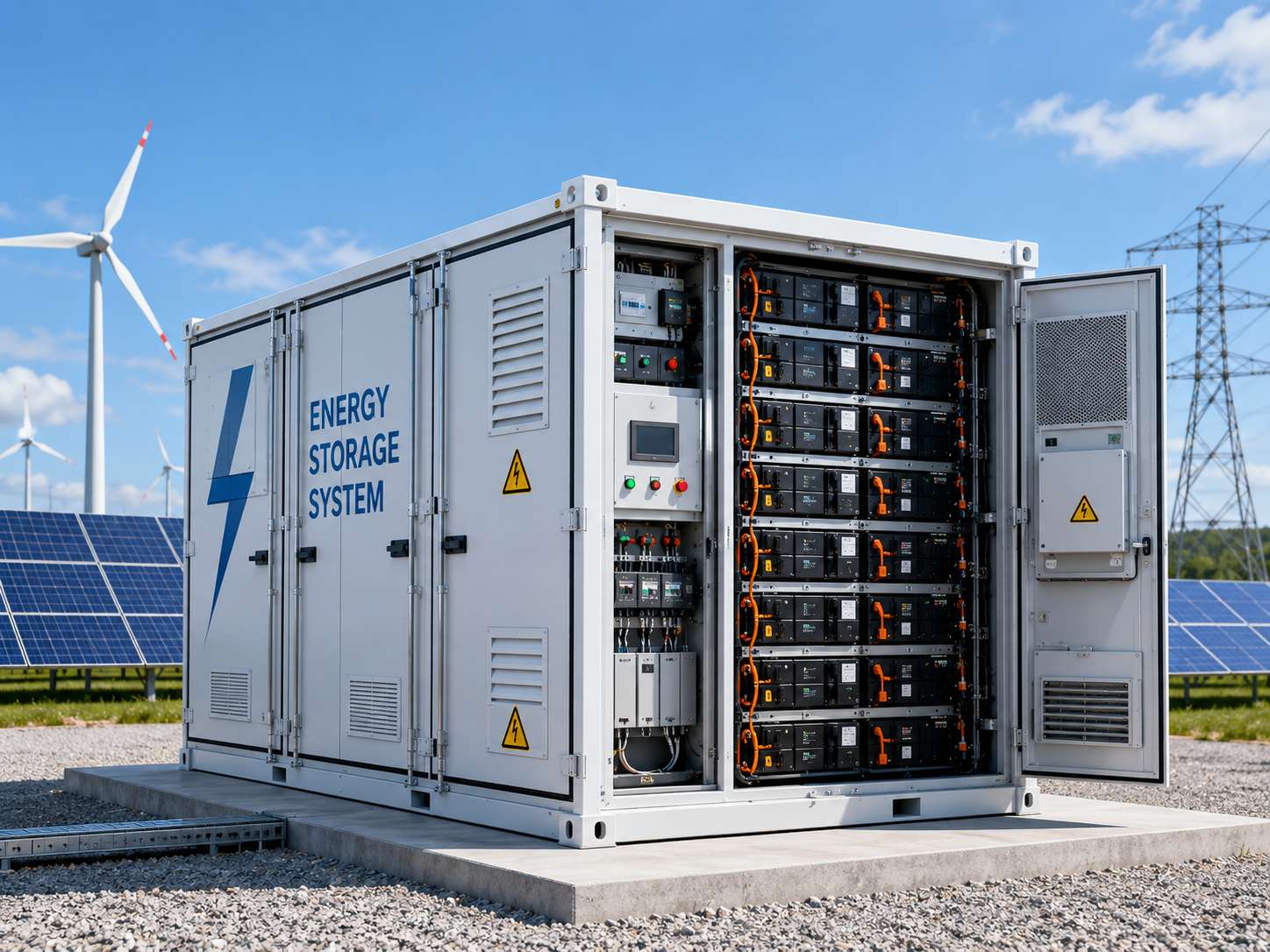
What Is an AI-Powered Energy Storage System?
An AI-powered energy storage system combines battery storage technology with intelligent software and data analytics.
Unlike traditional systems that operate according to fixed rules, AI-powered systems can continuously analyze operational data and make real-time decisions.
These systems can:
- Predict future energy demand
- Optimize charging and discharging schedules
- Monitor battery health
- Detect abnormal conditions
- Improve overall system efficiency
By combining advanced software with energy storage hardware, AI helps maximize performance while reducing operational costs.
Main Components of an Energy Storage System
To understand the importance of electrical terminals, it is useful to first understand the structure of a modern ESS.
Battery Cells
Battery cells are the basic energy storage units that store electrical energy.
Battery Modules
Multiple battery cells are grouped together to form battery modules.
Battery Packs
Battery modules are assembled into larger battery packs capable of storing significant amounts of energy.
Battery Management System (BMS)
The BMS monitors battery health, voltage, temperature, and charging conditions.
Power Conversion System (PCS)
The PCS converts DC power stored in batteries into AC power that can be used by electrical equipment and power grids.
Busbars
Busbars distribute high-current electrical power throughout the system.
Electrical Terminals
Electrical terminals create secure connection points between cables, batteries, busbars, and electrical equipment.
Without reliable terminals, electricity cannot flow efficiently through the system.
What Are Electrical Terminals?
An electrical terminal is a conductive component that provides a secure connection between electrical conductors.
Its primary purpose is simple:
To transfer electrical current safely and efficiently while minimizing resistance.
However, in modern energy storage systems, achieving this goal requires sophisticated engineering.
Terminals must withstand:
- High currents
- Continuous operation
- Thermal cycling
- Mechanical vibration
- Environmental exposure
- Long service life requirements
Although terminals may appear simple, they have a direct impact on the performance of the entire energy storage system.
Where Electrical Terminals Are Used in Energy Storage Systems
Electrical terminals are found throughout an ESS.
Battery Cell Connections
Individual battery cells must be connected together to form battery modules.
Reliable terminal connections ensure stable current flow between cells and help prevent overheating.
Battery Module Connections
Battery modules require robust terminals capable of handling higher current levels.
These connections must remain stable throughout thousands of charge and discharge cycles.
Battery Pack Connections
Battery packs often operate under demanding electrical loads.
High-quality terminals help minimize resistance and maximize energy efficiency.
Busbar Connections
Busbars serve as the primary power distribution pathways inside the system.
Terminals create the interface between busbars and cables.
Inverter Connections
The inverter relies on secure electrical connections to convert DC power into usable AC power.
Poor terminal performance can reduce conversion efficiency and increase heat generation.
Power Distribution Units
Power distribution units use multiple terminal connections to safely route electricity throughout the system.
Grid Connections
The final connection between the energy storage system and the power grid depends on reliable high-current terminals.
Why Electrical Terminals Are Critical to ESS Performance
Improving Energy Efficiency
Every electrical connection introduces some level of resistance.
Poor-quality terminals create higher resistance, resulting in:
- Increased energy loss
- Reduced efficiency
- Higher operating costs
Low-resistance terminals help maximize energy transfer and improve overall system performance.
Reducing Heat Generation
Electrical resistance generates heat.
As current levels increase, even small amounts of resistance can create significant temperature rises.
Excessive heat can lead to:
- Component degradation
- Reduced efficiency
- Premature failures
- Safety risks
Proper terminal design helps control heat buildup and improve thermal performance.
Enhancing Reliability
Energy storage systems often operate continuously for many years.
Reliable terminals help ensure:
- Stable electrical performance
- Reduced maintenance requirements
- Longer equipment lifespan
- Lower downtime risks
Supporting System Safety
Loose, damaged, or poorly designed terminals are among the most common causes of electrical failures.
High-quality terminals help reduce the risk of:
- Arcing
- Overheating
- Electrical fires
- Equipment damage
Key Performance Requirements for AI-Era Energy Storage Terminals
High Current Carrying Capacity
AI-driven applications require more electrical power than ever before.
Terminals must safely carry large amounts of current without excessive temperature rise.
Low Contact Resistance
Contact resistance directly affects system efficiency.
Lower resistance means:
- Less energy loss
- Lower temperatures
- Improved reliability
Excellent Thermal Performance
As power density increases, thermal management becomes increasingly important.
Modern terminal designs must effectively dissipate heat to maintain safe operating temperatures.
Strong Mechanical Strength
Energy storage systems experience transportation, installation, and operational stresses.
Terminals must maintain secure connections under all conditions.
Corrosion Resistance
Many ESS installations operate outdoors or in harsh environments.
Terminals must resist:
- Humidity
- Salt exposure
- Oxidation
- Industrial pollutants
Vibration Resistance
Vibration can gradually loosen electrical connections.
Proper terminal design helps ensure long-term mechanical stability.
Compact Design
Energy storage systems are becoming more compact while handling greater amounts of power.
Terminals must provide high performance within limited installation space.
Materials Used for Energy Storage Terminals
Electrolytic Copper
Electrolytic copper is the most widely used material for high-current terminals.
Benefits include:
- Excellent conductivity
- Low electrical resistance
- Superior heat dissipation
- Long service life
For most energy storage applications, copper remains the preferred choice.
Copper Alloys
Copper alloys offer improved mechanical strength while maintaining excellent conductivity.
These materials are often used when durability is particularly important.
Aluminum
Aluminum provides a lightweight and cost-effective alternative to copper.
Advantages include:
- Lower weight
- Lower material cost
- Good conductivity-to-weight ratio
However, aluminum generally requires larger cross-sections to achieve the same conductivity as copper.
Surface Plating Technologies for Energy Storage Terminals
Tin Plating
Tin plating is the most common surface treatment used in energy storage terminals.
Benefits include:
- Corrosion resistance
- Good conductivity
- Cost effectiveness
- Excellent crimping performance
Silver Plating
Silver offers the highest electrical conductivity among commonly used plating materials.
Benefits include:
- Extremely low contact resistance
- Excellent thermal performance
- Superior conductivity
Silver plating is often used in premium high-current applications.
Nickel Plating
Nickel plating provides:
- High-temperature resistance
- Enhanced durability
- Improved corrosion protection
It performs well in demanding industrial environments.
Common Terminal Types Used in Energy Storage Systems
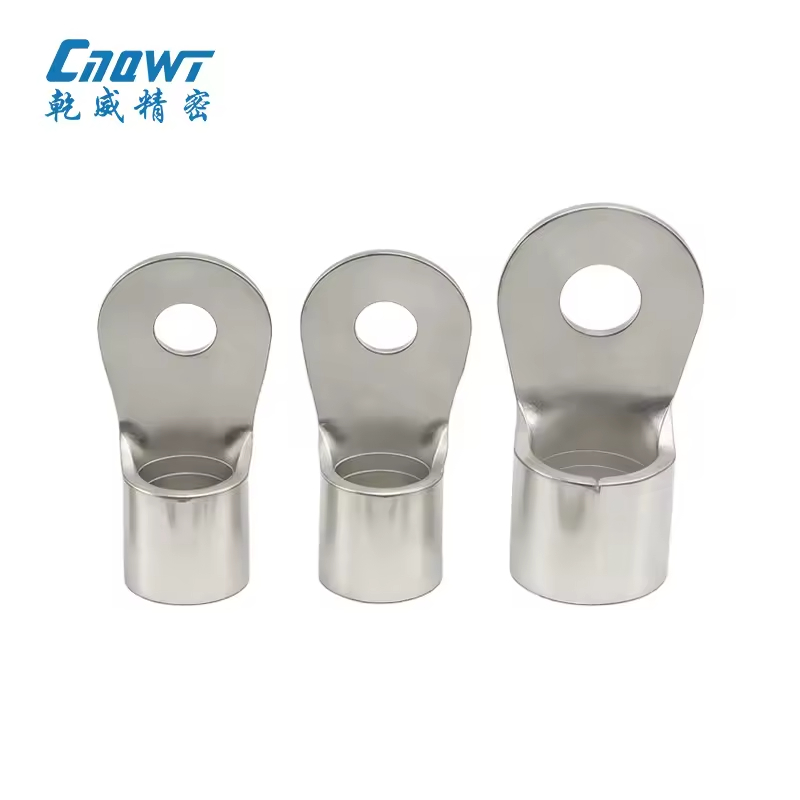
Ring Terminals
Ring terminals provide highly secure connections and excellent vibration resistance.
They are commonly used in:
- Battery connections
- Grounding systems
- Power distribution applications
 Cable Lugs

Cable lugs are designed for large cables and high-current applications.
They are widely used in:
- Battery packs
- Busbar connections
- Power distribution units
Battery Terminals
Battery terminals are specifically designed for battery interconnection applications.
They must provide reliable performance under repeated charge and discharge cycles.
Custom Stamped Terminals
Many energy storage systems require custom terminal designs optimized for specific electrical and mechanical requirements.
Custom terminals can improve:
- Installation efficiency
- Current capacity
- Space utilization
- System reliability
Challenges Facing Electrical Terminals in AI-Powered ESS
Higher Power Density
As AI infrastructure grows, more power must be delivered through increasingly compact systems.
Increased Heat Generation
Higher current levels create greater thermal challenges.
Terminal designs must continuously evolve to manage heat effectively.
Frequent Charge and Discharge Cycles
Energy storage systems experience constant cycling, placing additional stress on electrical connections.
Longer Service Life Requirements
Many ESS projects are expected to operate for 15 to 20 years.
Terminals must maintain performance throughout this period.
Stricter Safety Standards
As energy storage deployments increase, safety requirements continue to become more demanding.
Manufacturers must design terminals that meet increasingly rigorous standards.
How Advanced Terminal Design Improves ESS Reliability
Modern terminal engineering focuses on more than simply creating electrical connections.
Advanced designs help achieve:
Reduced Energy Loss
Lower resistance improves energy transfer efficiency.
Better Thermal Management
Improved heat dissipation reduces operating temperatures.
Longer Equipment Lifespan
Reduced thermal stress extends system life.
Lower Maintenance Costs
Reliable terminals reduce service interruptions and repair requirements.
Improved Operational Safety
Secure electrical connections help minimize failure risks.
Testing Requirements for Energy Storage Terminals
To ensure long-term performance, terminals must undergo comprehensive testing.
Dimensional Inspection
Verifies manufacturing accuracy and consistency.
Contact Resistance Testing
Measures electrical conductivity performance.
Pull-Out Force Testing
Evaluates mechanical retention strength.
Current Carrying Capacity Testing
Confirms safe operation under specified electrical loads.
Temperature Rise Testing
Measures thermal performance during operation.
Thermal Cycling Testing
Simulates years of temperature fluctuations.
Vibration Testing
Evaluates performance under transportation and operational vibration.
Salt Spray Testing
Measures corrosion resistance in harsh environments.
Comprehensive testing helps ensure reliability throughout the service life of the energy storage system.
Future Trends in ESS Terminal Technology
The future of energy storage systems will require increasingly advanced electrical connection solutions.
Several trends are emerging:
Ultra-High Current Terminals
Growing power requirements will drive demand for higher-capacity terminal designs.
Smart Monitoring Terminals
Future terminals may include embedded sensors capable of monitoring:
- Temperature
- Current flow
- Connection quality
AI-Assisted Predictive Maintenance
Smart terminals could provide data directly to AI monitoring systems, helping identify issues before failures occur.
Advanced Conductive Materials
New materials may offer improved conductivity, lower weight, and enhanced durability.
Integrated Connection Systems
Future ESS designs may combine terminals, connectors, and monitoring technologies into integrated solutions.
Why Choose Qianwei Precision for Energy Storage Terminal Manufacturing
As AI-powered energy storage systems become more sophisticated, selecting the right terminal manufacturer is increasingly important.
Qianwei specializes in precision-stamped electrical terminals for demanding applications.
Precision Stamping Expertise
Advanced manufacturing processes ensure consistent quality and tight dimensional tolerances.
High-Conductivity Copper Terminal Manufacturing
We produce high-performance copper terminals designed for demanding current-carrying applications.
Custom Terminal Development
Our engineering team works closely with customers to develop tailored solutions for specific project requirements.
OEM and ODM Services
Flexible manufacturing capabilities support both standard and custom terminal projects.
Advanced Mold Design Capabilities
In-house tooling development improves quality control and reduces project lead times.
Comprehensive Testing Services
Our testing capabilities include:
- Dimensional Inspection
- Contact Resistance Testing
- Pull-Out Force Testing
- Thermal Cycling Testing
- Vibration Testing
- Salt Spray Testing
These capabilities help ensure reliable performance in energy storage, renewable energy, and AI infrastructure applications.
Conclusion
Artificial Intelligence is reshaping the global energy landscape, creating unprecedented demand for reliable and efficient power infrastructure. As energy storage systems become increasingly important for supporting AI-driven applications, the performance of every component inside those systems matters.
Electrical terminals may be small, but their impact is significant. They influence energy efficiency, thermal performance, system reliability, maintenance requirements, and operational safety.
From battery cells and busbars to inverters and grid connections, terminals provide the critical pathways that allow electrical energy to move safely throughout an energy storage system.
As AI continues to drive higher power demands, terminal design will become even more important. Manufacturers that invest in advanced materials, precision manufacturing, comprehensive testing, and innovative engineering will be better positioned to support the next generation of intelligent energy infrastructure.
For energy storage system designers, integrators, and OEM manufacturers, choosing the right terminal solution is not just a component decision—it is a strategic investment in long-term system performance and reliability.
FAQs
What is an electrical terminal in an energy storage system?
An electrical terminal is a conductive component used to connect cables, batteries, busbars, and electrical equipment within an energy storage system. It provides a secure, low-resistance path for electrical current, helping ensure efficient and reliable power transmission.
Why are electrical terminals important in AI-powered energy storage systems?
AI-powered energy storage systems handle large amounts of electrical power and operate continuously. High-quality terminals help reduce energy loss, prevent overheating, improve reliability, and support the long-term performance of the entire system.
Where are electrical terminals used in battery energy storage systems (BESS)?
Electrical terminals are commonly used in:
- Battery cell connections
- Battery module connections
- Battery pack assemblies
- Busbar connections
- Inverter connections
- Power distribution units (PDUs)
- Grid connection points
They are essential wherever electrical current must safely transfer between components.
How do electrical terminals affect energy storage system efficiency?
Terminals directly impact contact resistance. Low-resistance terminals minimize power loss and heat generation, allowing more energy to be transferred efficiently throughout the system.
What materials are commonly used for energy storage terminals?
The most common materials include:
- Electrolytic copper
- Copper alloys
- Aluminum alloys
Copper is generally preferred for high-current applications due to its superior electrical conductivity and thermal performance.
Why is copper widely used for ESS terminals?
Copper offers several advantages:
- Excellent electrical conductivity
- Low contact resistance
- Superior heat dissipation
- High durability
- Long service life
These properties make copper ideal for battery energy storage systems, AI data centers, and renewable energy applications.
What is contact resistance in electrical terminals?
Contact resistance refers to the resistance encountered where two conductive surfaces meet. Lower contact resistance improves electrical efficiency, reduces heat buildup, and enhances overall system reliability.
What causes terminal overheating in energy storage systems?
Common causes include:
- Loose connections
- Poor crimping quality
- High contact resistance
- Excessive current loads
- Corrosion
- Inadequate terminal design
Regular inspection and proper terminal selection can help prevent overheating issues.
What surface plating is best for energy storage terminals?
The ideal plating depends on the application:
- Tin plating for cost-effective corrosion resistance
- Silver plating for maximum conductivity
- Nickel plating for high-temperature and harsh-environment applications
Tin-plated copper terminals are among the most widely used solutions in ESS projects.
What are the advantages of tin-plated copper terminals?
Tin-plated copper terminals provide:
- Excellent conductivity
- Corrosion resistance
- Good solderability
- Cost efficiency
- Reliable long-term performance
They are commonly used in battery energy storage systems and power distribution equipment.
What types of terminals are commonly used in energy storage systems?
Popular terminal types include:
- Ring terminals
- Cable lugs
- Battery terminals
- Busbar terminals
- Crimp terminals
- Custom stamped terminals
The best choice depends on current requirements, installation methods, and operating conditions.
How are electrical terminals tested for energy storage applications?
Energy storage terminals typically undergo:
- Dimensional inspection
- Contact resistance testing
- Pull-out force testing
- Current carrying capacity testing
- Temperature rise testing
- Thermal cycling testing
- Vibration testing
- Salt spray testing
These tests verify electrical, mechanical, and environmental performance.
What is thermal cycling testing?
Thermal cycling testing repeatedly exposes terminals to high and low temperatures to simulate years of operating conditions. This test helps evaluate durability, connection stability, and resistance to thermal expansion and contraction.
Why is vibration resistance important for ESS terminals?
Energy storage systems may experience vibration during transportation, installation, or operation. Vibration-resistant terminals help maintain secure connections and prevent loosening over time.
Can energy storage terminals be customized?
Yes. Many ESS manufacturers require custom terminals designed for specific:
- Current ratings
- Cable sizes
- Installation spaces
- Mounting methods
- Environmental requirements
Custom terminals can improve both performance and assembly efficiency.
What challenges do electrical terminals face in AI-driven energy storage systems?
Key challenges include:
- Higher current loads
- Increased power density
- Greater heat generation
- Longer service life requirements
- Stricter safety standards
- More compact system designs
These factors require continuous innovation in terminal materials and design.
What are smart terminals?
Smart terminals are advanced electrical terminals that incorporate sensors capable of monitoring temperature, current flow, or connection integrity. They can provide real-time data to maintenance and energy management systems.
How can AI improve terminal reliability?
AI can analyze operational data from energy storage systems to identify abnormal conditions, predict potential failures, and recommend maintenance actions before problems occur. This helps reduce downtime and improve system reliability.
What should buyers consider when selecting energy storage terminals?
Important factors include:
- Current carrying capacity
- Material selection
- Surface plating
- Contact resistance
- Corrosion resistance
- Thermal performance
- Testing certifications
- Customization capabilities
- Manufacturer experience
Choosing the right terminal supplier helps ensure long-term system performance and safety.
Why choose a specialized terminal manufacturer for ESS projects?
Specialized manufacturers understand the unique requirements of energy storage systems, including high-current applications, thermal management, vibration resistance, and long-term reliability. They can provide customized solutions and comprehensive testing support to help reduce project risk and improve product performance.

