


Electrical systems rely on countless components working together to deliver power safely and efficiently. Among these components, electrical terminals may seem small, but they play a critical role in ensuring reliable electrical connections. From automotive wiring harnesses to industrial automation equipment and renewable energy systems, terminals are found in nearly every application where electricity is transmitted.
A high-quality terminal provides both a secure electrical path and a strong mechanical connection. Without properly selected terminals, electrical systems can experience loose connections, overheating, voltage drops, equipment failures, and even fire hazards.
In this guide, we’ll explain what electrical terminals are used for, where they are commonly applied, the different types available, and how to choose the right terminal for your application.
What Is an Electrical Terminal?
An electrical terminal is a conductive metal component designed to connect a wire to another wire, a device, or an electrical circuit. It creates a stable electrical connection while securely holding the conductor in place.
Most terminals are manufactured from highly conductive materials such as copper, brass, or phosphor bronze and are often plated with tin, nickel, silver, or gold to improve corrosion resistance and electrical performance.
Electrical terminals are typically attached to wires using one of several methods:
- Crimping
- Soldering
- Screw fastening
- Spring-clamp connections
Unlike electrical connectors, which usually consist of both male and female housings, a terminal refers to the conductive contact itself. Multiple terminals are often assembled into a connector housing to create a complete connection system.
Why Are Electrical Terminals Important?
Although terminals are relatively inexpensive components, they have a significant impact on the reliability and safety of electrical systems.
Reliable Electrical Conductivity
The primary purpose of a terminal is to provide a low-resistance path for electrical current. A properly installed terminal minimizes energy loss and helps maintain stable system performance.
Poor electrical connections increase contact resistance, generating heat that can damage wires, insulation, and surrounding components.
Strong Mechanical Connection
Electrical systems are often exposed to vibration, movement, or repeated plugging and unplugging. A quality terminal securely grips the conductor, preventing wires from becoming loose during operation.
This is particularly important in:
- Automobiles
- Industrial machinery
- Construction equipment
- Aerospace systems
Improved Safety
Loose or poorly installed terminals are among the most common causes of electrical failures.
Proper terminals help prevent:
- Overheating
- Electrical arcing
- Short circuits
- Fire risks
- Equipment damage
Easier Maintenance
Many terminal designs allow technicians to disconnect and reconnect electrical circuits quickly without cutting wires. This simplifies maintenance, repairs, and equipment upgrades.
What Are Electrical Terminals Used For?
Electrical terminals are used anywhere electrical power or signals need to be transmitted reliably. While their designs vary depending on the application, their primary purpose remains the same: creating safe and durable electrical connections.
Below are some of the most common industries that rely on electrical terminals.
Automotive Electrical Systems
The automotive industry is one of the largest users of electrical terminals.
Modern vehicles contain thousands of electrical connections that power essential systems, including:
- Engine control units (ECUs)
- Lighting systems
- Sensors
- Battery management systems
- Airbag systems
- Infotainment systems
- Electric power steering
- Charging systems
- Wiring harnesses
As vehicles become increasingly electrified, the number of terminals continues to grow. Electric vehicles (EVs) require terminals capable of carrying higher currents while maintaining excellent vibration resistance and long-term durability.
.jpg)
Automotive terminals must withstand:
- Extreme temperatures
- Moisture
- Road salt
- Engine fluids
- Continuous vibration
- Long service life
Manufacturers often follow strict industry standards to ensure consistent quality and performance.
Industrial Automation
Factories and manufacturing equipment depend on reliable electrical connections for continuous operation.
Electrical terminals are widely used in:
- PLC control systems
- Industrial robots
- Servo motors
- Frequency converters
- Switchgear
- Control cabinets
- Industrial sensors
Industrial environments frequently expose terminals to dust, oil, vibration, and high operating temperatures. As a result, heavy-duty terminals with excellent mechanical strength and corrosion resistance are commonly selected.
Reliable terminal connections also help reduce unexpected downtime and maintenance costs.
Home Appliances
Nearly every household appliance contains dozens of electrical terminals.
Common examples include:
- Refrigerators
- Washing machines
- Dishwashers
- Microwave ovens
- Air conditioners
- Water heaters
- Vacuum cleaners
These appliances require compact, cost-effective terminals that can be installed efficiently during automated manufacturing.
Many appliance manufacturers use quick-disconnect terminals, allowing technicians to replace damaged components without cutting wires.
Consumer Electronics
As electronic devices become smaller and more powerful, miniature electrical terminals have become increasingly important.
Applications include:
- Desktop computers
- Laptops
- Power supplies
- Chargers
- Gaming consoles
- Smart home devices
- Networking equipment
These terminals are designed for precision, compact size, and reliable signal transmission.
Some high-speed data applications also require specialized terminals that minimize electrical interference and signal loss.
Renewable Energy Systems
The rapid growth of renewable energy has increased demand for high-performance electrical terminals.
Applications include:
- Solar power systems
- Wind turbines
- Energy storage systems
- Battery packs
- Inverters
- EV charging stations
These environments often expose terminals to outdoor conditions such as:
- UV radiation
- Rain
- Humidity
- Temperature fluctuations
- Corrosive environments
Terminals used in renewable energy systems are designed to provide stable performance over many years with minimal maintenance.
Telecommunications
Reliable electrical connections are essential for communication infrastructure.
Electrical terminals are used in:
- Data centers
- Communication cabinets
- Base stations
- Fiber optic equipment
- Networking hardware
In these applications, stable signal transmission and low contact resistance are especially important to maintain network performance.
Medical Equipment
Medical devices require extremely reliable electrical connections because equipment failure can directly affect patient safety.
Applications include:
- Patient monitoring systems
- Imaging equipment
- Surgical devices
- Laboratory instruments
Medical-grade terminals are manufactured under strict quality control standards to ensure consistent performance and long service life.
Common Types of Electrical Terminals and Their Uses
Different applications require different terminal designs. Selecting the correct type improves installation efficiency, electrical performance, and maintenance.
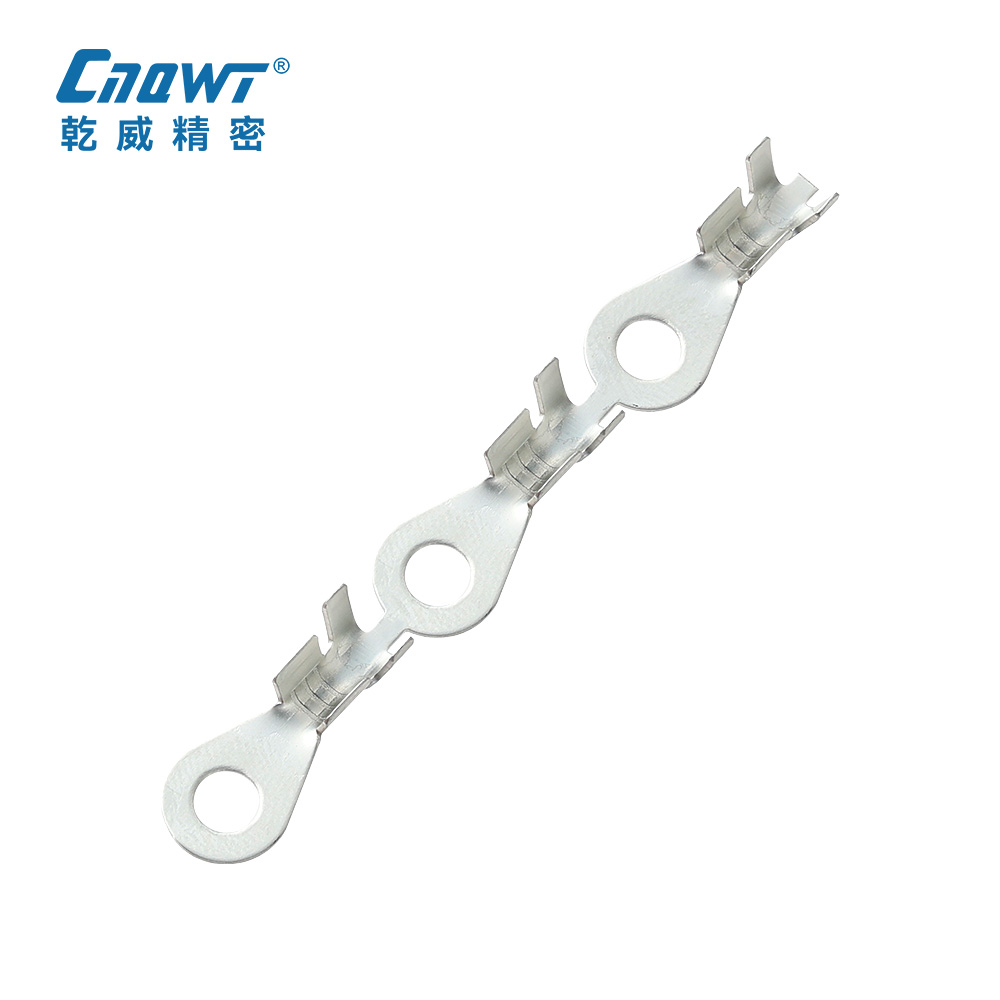
Ring Terminals
Ring terminals feature a closed circular opening that fits over a screw or stud.
They are commonly used in:
- Battery connections
- Grounding systems
- Electrical panels
- Automotive wiring
Because the screw must be completely removed before the wire can disconnect, ring terminals provide excellent connection security.
Spade (Fork) Terminals
Spade terminals have an open fork-shaped design that slides beneath a screw head.
They are popular for applications requiring frequent maintenance because the wire can be removed without completely removing the screw.
Typical applications include:
- Industrial control panels
- Electrical cabinets
- Household appliances
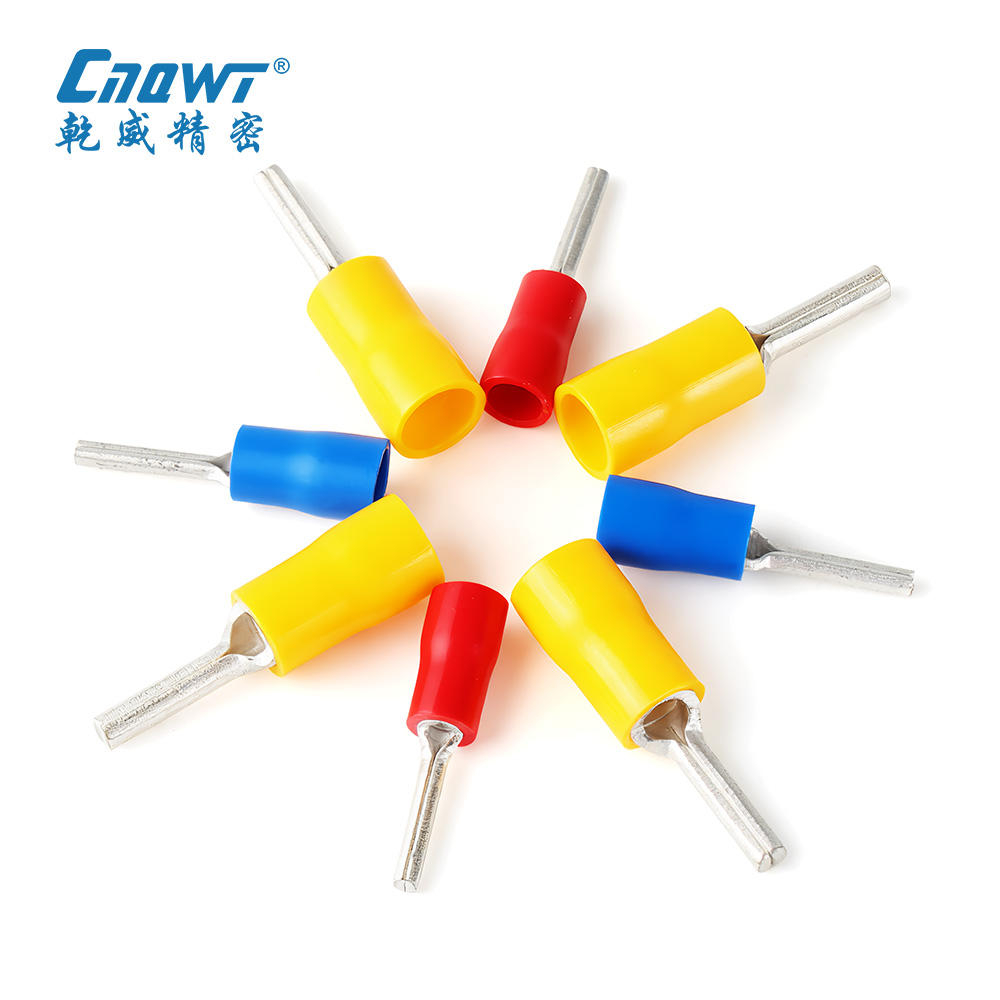
Pin Terminals
Pin terminals have a solid cylindrical end designed for insertion into terminal blocks.
They are widely used in:
- PLC wiring
- Industrial automation
- Control systems
Butt Connectors
Butt connectors permanently join two wires together.
They are commonly used for:
- Wire repairs
- Cable extensions
- Automotive wiring
- Electrical maintenance
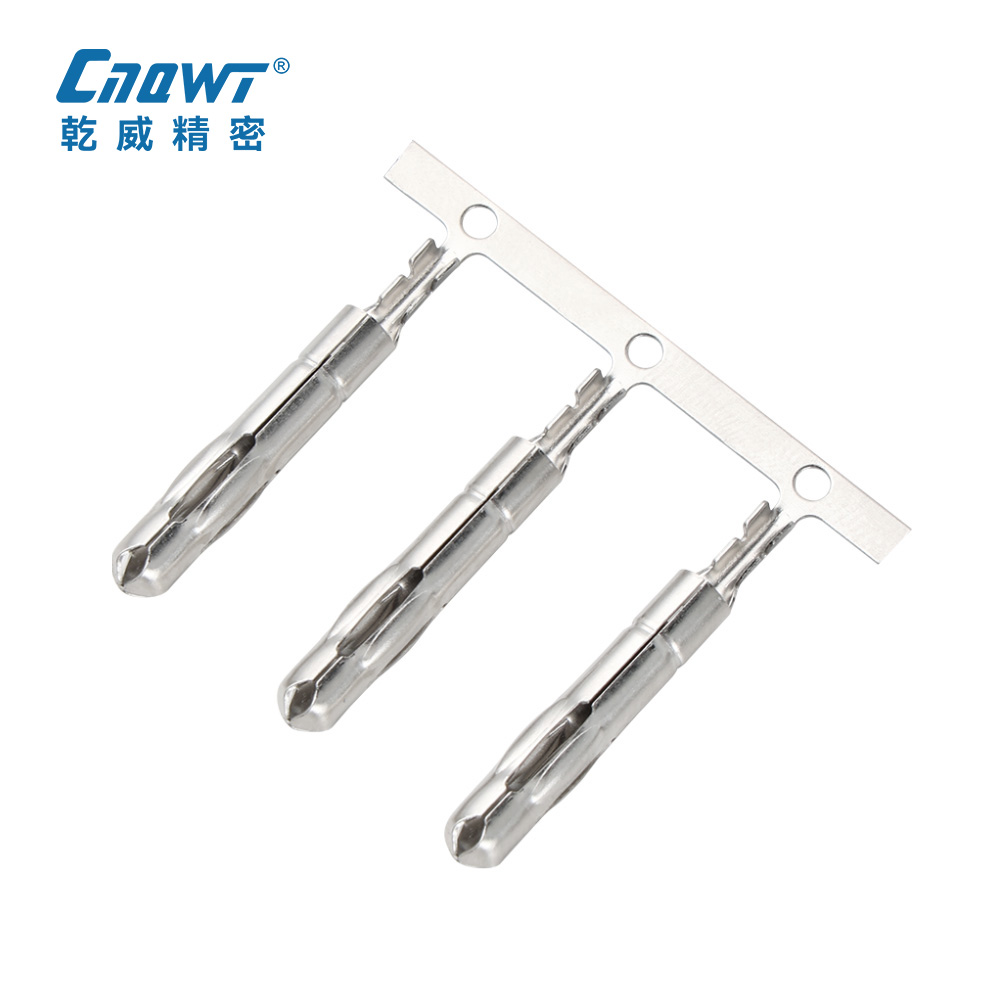
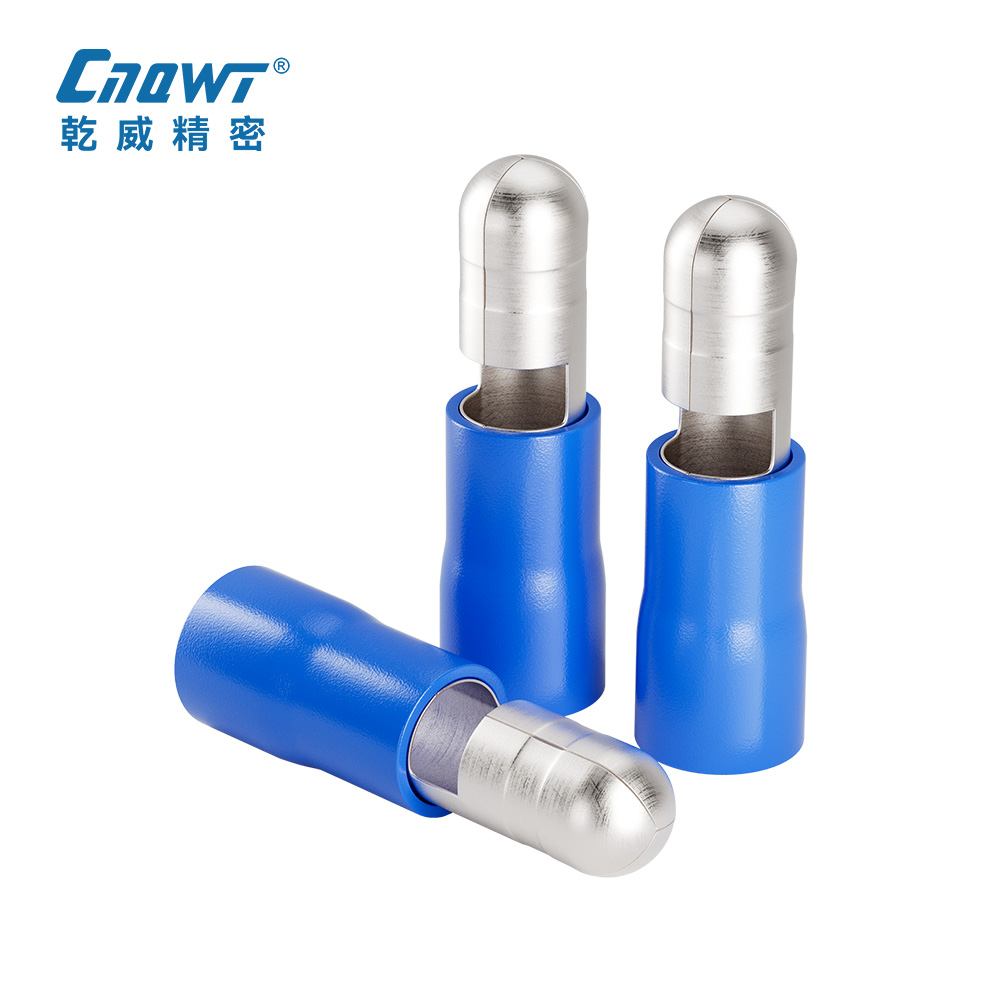
Bullet Terminals
Bullet terminals consist of male and female contacts that snap together.
They provide quick installation and removal, making them suitable for:
- Automotive wiring
- Motorcycle electrical systems
- Lighting equipment
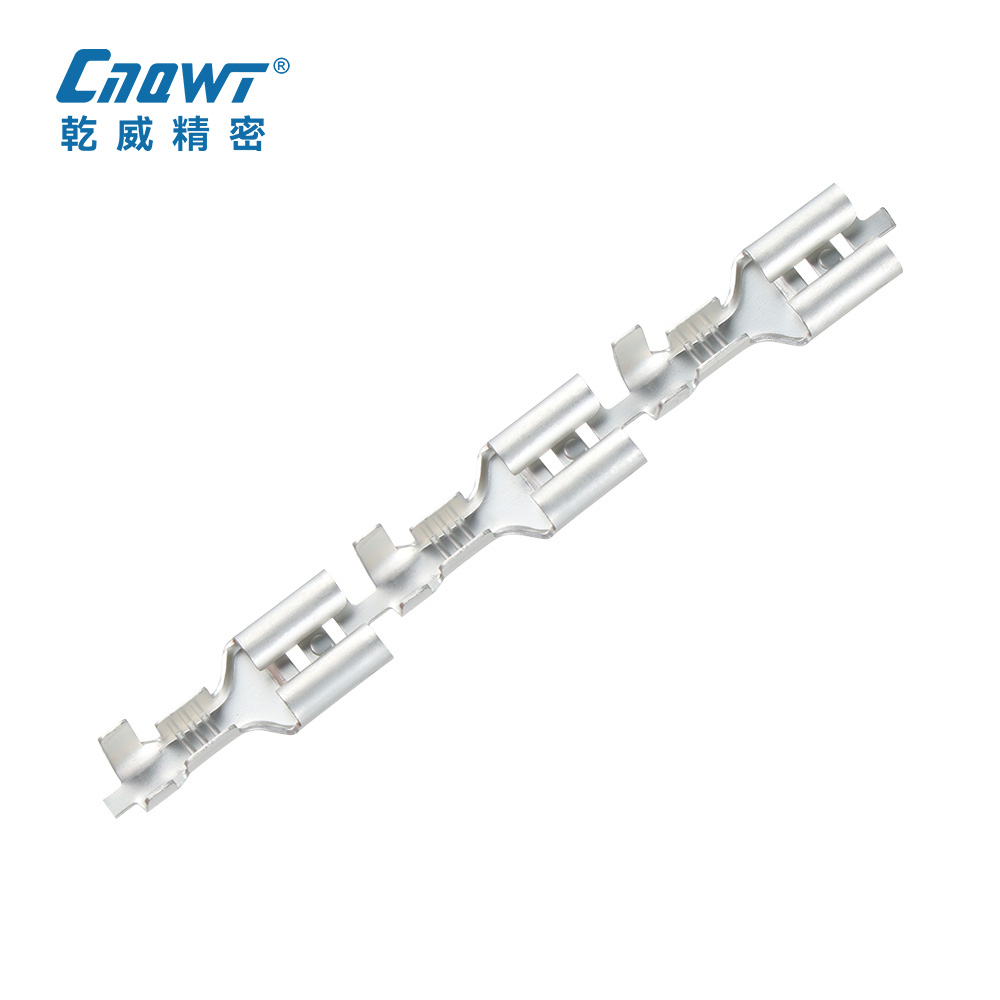
Blade Terminals
Blade terminals are frequently used in household appliances and automotive electronics because they allow fast assembly on production lines.
Ferrules
Ferrules reinforce stranded wires before they are inserted into terminal blocks.
They improve connection reliability and prevent wire strands from spreading during installation.
Ferrules are especially common in industrial control cabinets and automation systems.
How to Choose the Right Electrical Terminal
Selecting the correct terminal involves more than simply matching the wire size. Several factors should be evaluated to ensure reliable performance.
Current Rating
Always choose a terminal capable of carrying the required current without excessive heating.
Undersized terminals may overheat and fail prematurely.
Wire Size
Terminals are designed for specific wire gauges.
Using the wrong size can result in loose connections or damaged conductors.
Voltage Rating
Higher-voltage systems require terminals with sufficient insulation and clearance distances to prevent electrical breakdown.
Operating Temperature
Applications such as engines, industrial machinery, and power equipment often experience elevated temperatures.
Choose materials and plating that maintain mechanical strength under these conditions.
Environmental Conditions
Consider the operating environment, including exposure to:
- Moisture
- Salt spray
- Chemicals
- Dust
- Outdoor weather
- Vibration
Corrosion-resistant plating such as tin or nickel can significantly extend service life.
Installation Method
Different applications require different installation methods, including:
- Crimp terminals
- Solder terminals
- Screw terminals
- Spring terminals
For high-volume manufacturing, crimp terminals are generally preferred because they provide consistent quality and support automated assembly.
Common Problems Caused by Using the Wrong Terminal
Using an unsuitable terminal can reduce system reliability and increase maintenance costs.
Some of the most common problems include:
Loose Connections
Improper crimping or incorrect sizing allows wires to move, eventually causing intermittent electrical failures.
High Contact Resistance
Poor contact increases electrical resistance, reducing efficiency and generating unwanted heat.
Overheating
Heat buildup accelerates insulation aging and may damage nearby components.
Corrosion
Selecting the wrong material or plating for harsh environments can lead to oxidation, increasing resistance over time.
Voltage Drop
High-resistance connections reduce voltage reaching electrical equipment, affecting overall performance.
Equipment Failure
In severe cases, terminal failures can interrupt power supply, causing machinery downtime or complete system shutdown.
Best Practices for Installing Electrical Terminals
Proper installation is just as important as selecting the correct terminal.
Following these best practices helps maximize reliability:
- Select the correct terminal for the wire gauge.
- Strip insulation carefully without damaging conductor strands.
- Use professional crimping tools designed for the specific terminal.
- Verify crimp quality with pull-force testing when required.
- Avoid over-crimping, which can weaken the conductor.
- Inspect terminals for damage before installation.
- Protect exposed connections from moisture and contaminants.
- Follow manufacturer installation guidelines and applicable industry standards.
Routine inspections and preventive maintenance also help identify loose or damaged terminals before they lead to equipment failure.
Conclusion
Electrical terminals may be small components, but they are fundamental to the performance, safety, and reliability of modern electrical systems. They provide secure electrical and mechanical connections in applications ranging from automotive wiring harnesses and industrial automation to consumer electronics, renewable energy, telecommunications, and medical equipment.
Choosing the right terminal involves considering factors such as current capacity, wire size, operating environment, material, and installation method. Equally important is proper installation, as even the highest-quality terminal cannot perform reliably if it is incorrectly crimped or installed.
As electrical systems continue to evolve—particularly with the growth of electric vehicles, renewable energy, and intelligent automation—the demand for durable, high-performance electrical terminals will only increase. Investing in well-designed terminals and proven manufacturing quality helps improve system reliability, reduce maintenance costs, and ensure long-term operational safety.
For OEMs and equipment manufacturers, partnering with Qianwei can make a significant difference in achieving consistent product quality and dependable performance across every connection.
FAQs
What are electrical terminals used for?
Electrical terminals connect wires to electrical devices, circuits, or other wires while providing both electrical conductivity and mechanical stability.
What’s the difference between a terminal and a connector?
A terminal is the conductive metal contact that carries current, while a connector is a complete assembly that typically includes insulating housings, locking mechanisms, and one or more terminals.
Which terminal is best for automotive applications?
The best choice depends on the application. Automotive systems commonly use sealed crimp terminals designed to resist vibration, moisture, corrosion, and temperature extremes.
Can electrical terminals be reused?
Some screw-type terminals can be reused if they remain undamaged. However, most crimp terminals are intended for one-time installation to ensure optimal performance and safety.
Are crimp terminals better than soldered terminals?
For most industrial and automotive applications, properly crimped terminals are preferred because they provide consistent mechanical strength, excellent conductivity, and are well suited for automated manufacturing.

