

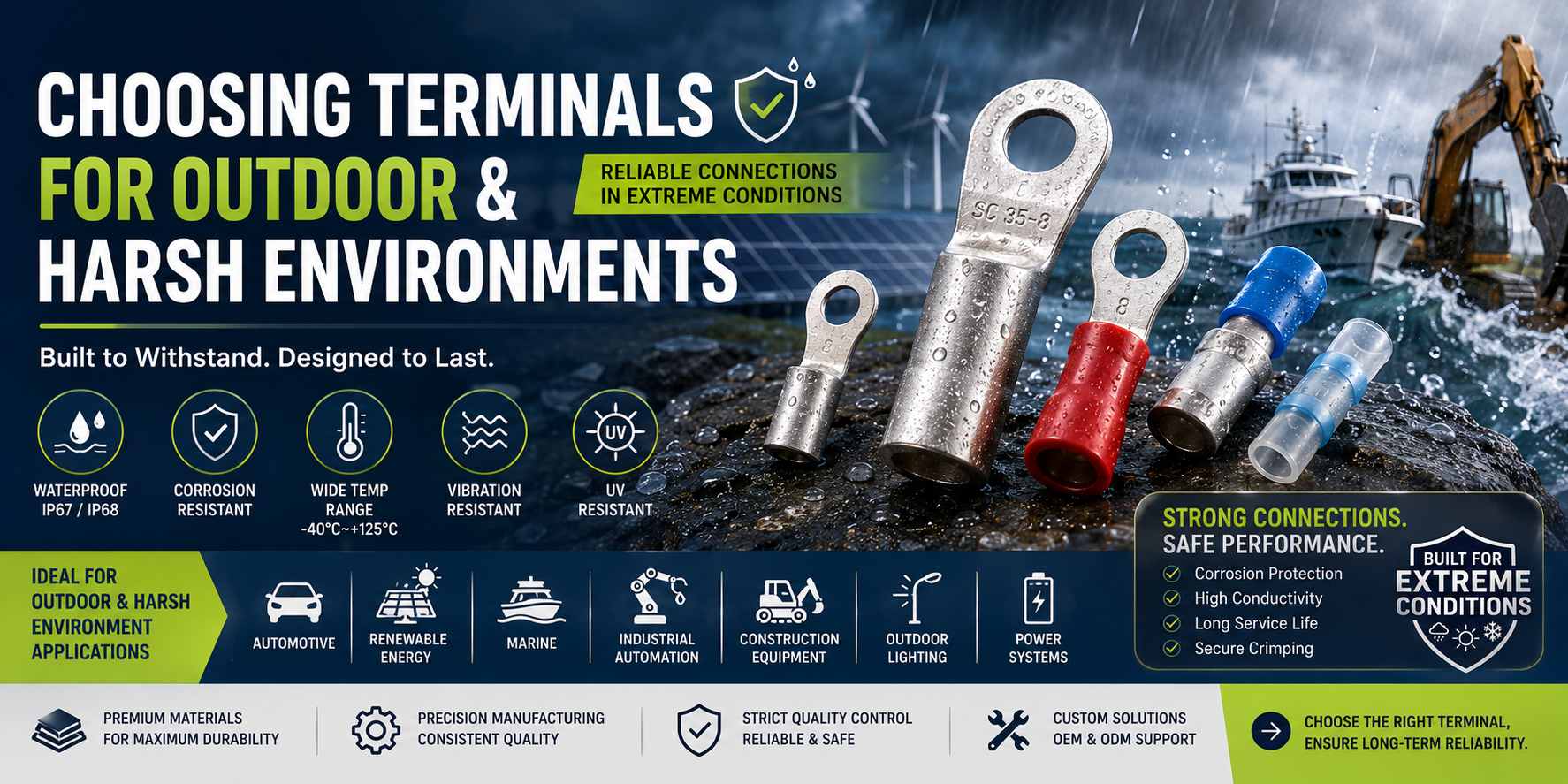
Electrical terminals used in outdoor and harsh environments face far more demanding conditions than those used in standard indoor applications. Exposure to moisture, temperature fluctuations, UV radiation, vibration, dust, chemicals, and corrosion can significantly reduce terminal performance and shorten the lifespan of electrical systems.
In industries such as:
- Automotive
- Renewable energy
- Marine equipment
- Industrial automation
- Construction machinery
- Outdoor power systems
electrical connection reliability is critical. A failed terminal connection may lead to:
- Equipment downtime
- System instability
- Safety hazards
- Increased maintenance costs
Choosing the correct terminal for harsh environments is not simply about matching wire size or current rating. Engineers and buyers must also consider:
- Corrosion resistance
- Waterproof performance
- Temperature resistance
- Material quality
- Surface plating
- Vibration durability
Proper terminal selection can dramatically improve long-term system reliability while reducing maintenance and replacement costs.
What Are Harsh Environment Electrical Applications?
Harsh environments refer to operating conditions that place abnormal stress on electrical components.
These conditions may include:
- High humidity
- Rain exposure
- Salt spray
- High temperature
- Extreme cold
- UV exposure
- Chemical contamination
- Mechanical vibration
- Dust and dirt accumulation
Outdoor electrical systems are particularly vulnerable because they are continuously exposed to changing environmental conditions.
Industries Requiring Harsh Environment Terminals
Many industries require terminals specifically designed for severe operating conditions.
Automotive Systems
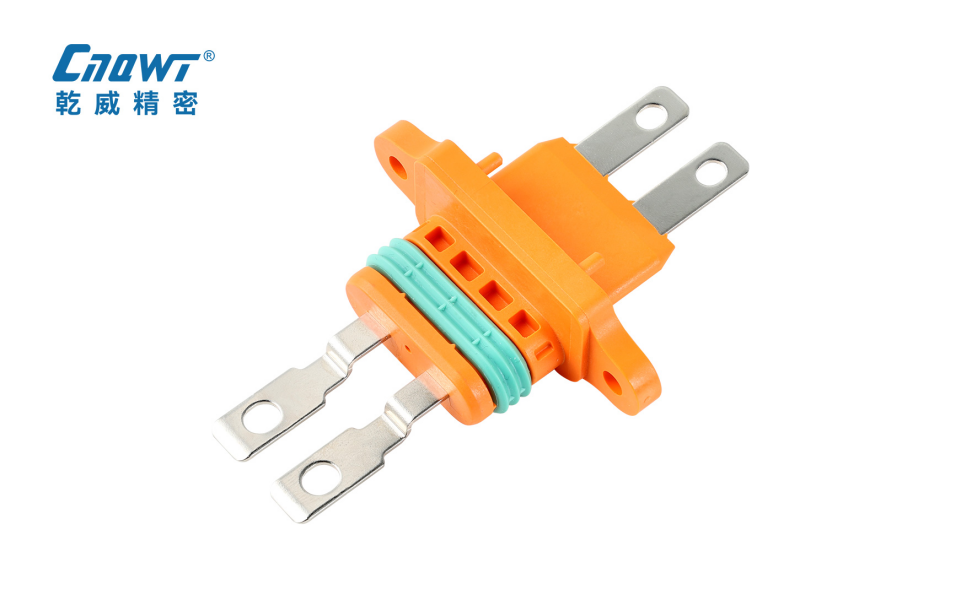
Vehicles experience:
- Engine heat
- Road vibration
- Moisture exposure
- Temperature cycling
Automotive terminals must maintain stable electrical contact under continuous stress.
Renewable Energy Systems
Solar and energy storage systems often operate outdoors for many years. These applications require terminals resistant to:
- UV radiation
- Moisture
- Corrosion
- Temperature fluctuation
Marine Equipment
Marine electrical systems face some of the harshest conditions due to:
- Saltwater exposure
- High humidity
- Constant corrosion risk
Industrial Automation
Industrial machinery frequently operates in environments involving:
- Dust
- Oil contamination
- Vibration
- Continuous operation
Construction & Agricultural Equipment
Heavy equipment must withstand:
- Mud
- Rain
- Mechanical shock
- Outdoor weather conditions
Why Standard Terminals Fail Outdoors
Standard terminals designed for indoor use often fail quickly in outdoor environments.
Corrosion & Oxidation
Bare copper terminals oxidize when exposed to moisture and oxygen.
Corrosion causes:
- Increased resistance
- Reduced conductivity
- Heat generation
- Connection instability
Over time, corrosion may completely destroy the electrical connection.
Water Ingress
Water entering the connection area can create:
- Short circuits
- Corrosion buildup
- Insulation damage
Without waterproof protection, terminal reliability decreases significantly.
Temperature Cycling
Outdoor systems continuously experience:
- Day and night temperature changes
- Seasonal weather variation
- Heat expansion and contraction
Repeated thermal cycling can loosen connections and weaken crimps.
UV Damage
Sunlight exposure can degrade insulation materials over time.
Poor UV resistance may cause:
- Cracking
- Brittleness
- Insulation failure
Vibration Loosening
Vehicles and industrial equipment generate constant vibration.
Loose terminals may lead to:
- Intermittent electrical contact
- Increased resistance
- Overheating
Increased Contact Resistance
Environmental contamination gradually increases contact resistance, reducing electrical efficiency and accelerating heat buildup.
Key Factors When Choosing Outdoor Electrical Terminals
Selecting terminals for harsh environments requires evaluating several critical factors.
Material Selection
Terminal material directly impacts conductivity, durability, and corrosion resistance.
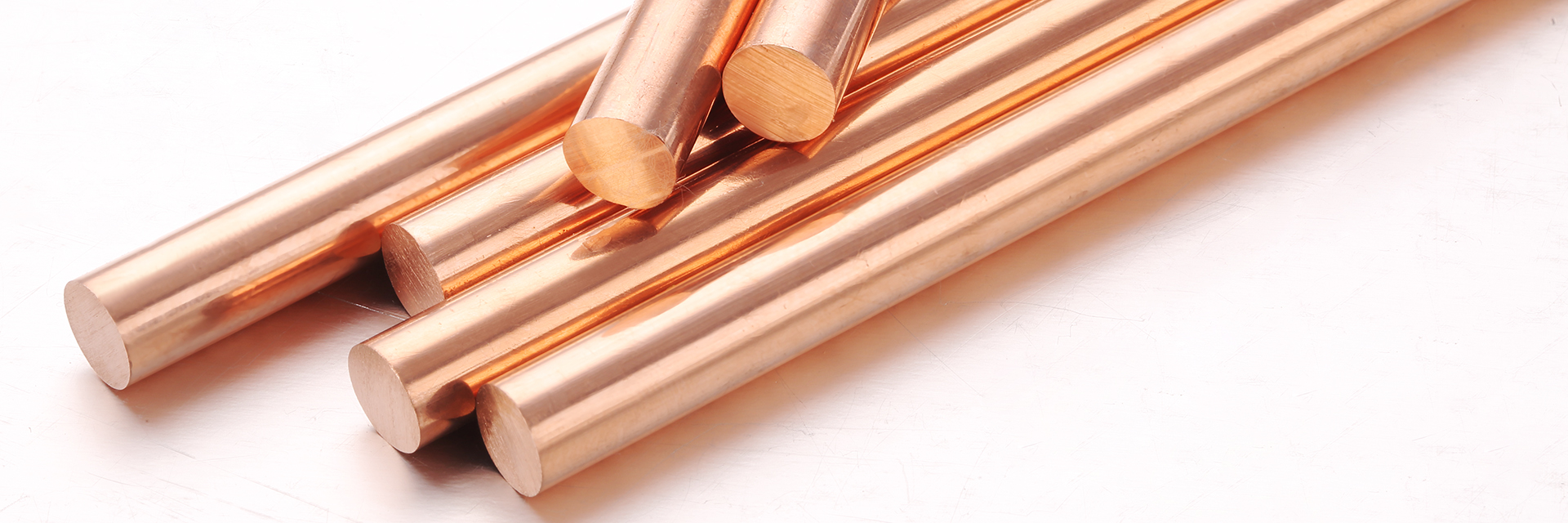
Copper
Copper offers:
- Excellent conductivity
- Low resistance
- Superior heat dissipation
Copper is commonly used in high-current applications.
Tinned Copper
Tin-plated copper combines:
- High conductivity
- Excellent corrosion resistance
- Long-term reliability
This is one of the most popular materials for outdoor terminals.
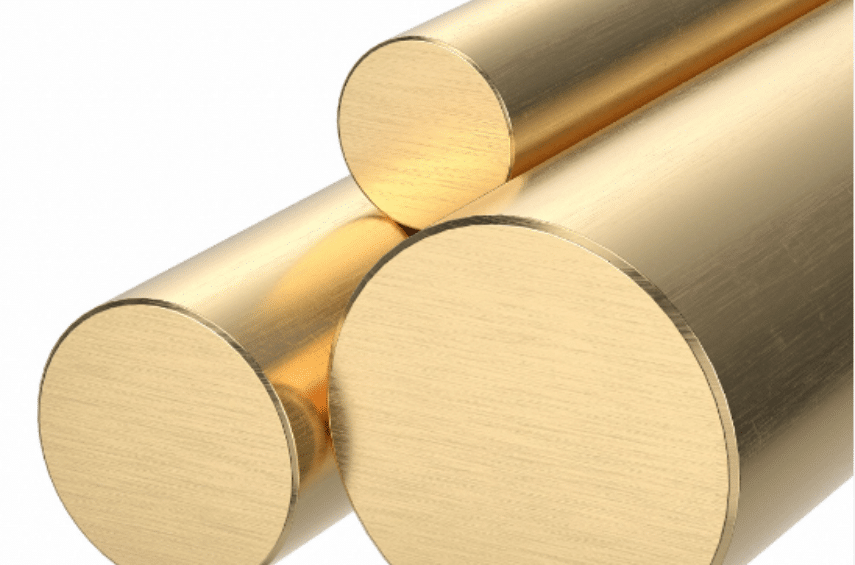
Brass
Brass provides:
- Higher mechanical strength
- Good durability
However, conductivity is lower than copper.
Stainless Steel Components
Stainless steel hardware is often used in marine or highly corrosive environments because of its excellent corrosion resistance.
Corrosion Resistance
Corrosion resistance is one of the most important requirements for outdoor terminals.
Importance of Tin Plating
Tin plating helps:
- Prevent oxidation
- Resist moisture exposure
- Maintain stable conductivity
Tin-plated terminals are widely used in:
- Automotive wiring
- Renewable energy systems
- Industrial equipment
Nickel Plating for High Temperatures
Nickel plating provides better performance under:
- High heat
- Chemical exposure
- Severe industrial conditions
Waterproof Protection
Outdoor electrical systems require protection against water ingress.
IP Ratings
Ingress Protection (IP) ratings define waterproof performance.
IP67
Protection against temporary water immersion.
IP68
Protection against long-term immersion under specified conditions.
Higher IP ratings generally provide better environmental protection.
Temperature Resistance
Outdoor terminals must withstand both high and low temperatures.
High Temperature Exposure
Excessive heat can cause:
- Increased resistance
- Material softening
- Insulation degradation
Low Temperature Brittleness
Cold environments may make insulation materials brittle and vulnerable to cracking.
Thermal Expansion & Contraction
Repeated expansion and contraction can loosen electrical connections over time.
UV Resistance
UV exposure is often overlooked but can significantly affect outdoor terminal lifespan.
Why UV Resistance Matters
Continuous sunlight exposure may degrade:
- Plastic insulation
- Heat shrink tubing
- Connector housings
UV-Resistant Materials
Common UV-resistant materials include:
- Nylon
- High-quality heat shrink tubing
- Weather-resistant polymers
These materials improve long-term outdoor durability.
Vibration Resistance
Outdoor equipment often experiences continuous mechanical vibration.
How Vibration Affects Terminals
Vibration may cause:
- Loose connections
- Crimp fatigue
- Increased resistance
- Electrical instability
Automotive & Heavy Equipment Applications
Vehicles, construction machinery, and industrial equipment require terminals designed to withstand long-term vibration stress.
Ring terminals are often preferred because they provide more secure mechanical attachment.
Current Carrying Capacity
Outdoor terminals must also be properly sized for current load.
Undersized terminals can cause:
- Excessive heat generation
- Insulation damage
- Connection failure
Proper terminal sizing improves:
- Safety
- Efficiency
- Long-term reliability
Crimping Reliability
Even high-quality terminals may fail if crimping quality is poor.
Reliable crimping requires:
- Correct tooling
- Proper crimp height
- Stable compression force
Poor crimping increases resistance and accelerates overheating.
Best Materials for Outdoor Electrical Terminals
Tin-Plated Copper
Tin-plated copper is one of the most widely used materials for outdoor terminals because it offers:
- Excellent conductivity
- Strong corrosion resistance
- Good cost efficiency
It is commonly used in:
- Automotive systems
- Solar systems
- Industrial equipment
Nickel-Plated Terminals
Nickel-plated terminals perform well in:
- High-temperature environments
- Chemical exposure conditions
Stainless Steel Hardware
Stainless steel hardware is frequently used in:
- Marine applications
- Coastal installations
- Salt spray environments
Waterproof Terminal Solutions
Several terminal designs are specifically developed for outdoor use.
Heat Shrink Terminals
Heat shrink terminals provide:
- Moisture sealing
- Strain relief
- Improved insulation protection
Sealed Crimp Connectors
Sealed connectors help prevent:
- Water ingress
- Corrosion buildup
- Environmental contamination
Waterproof Cable Lugs
Waterproof cable lugs are commonly used in:
- Renewable energy systems
- Outdoor power distribution
- Battery systems
Adhesive-Lined Insulation
Adhesive-lined heat shrink materials improve waterproof sealing performance.
Choosing the Right Terminal Type
Different terminal types perform differently in harsh environments.
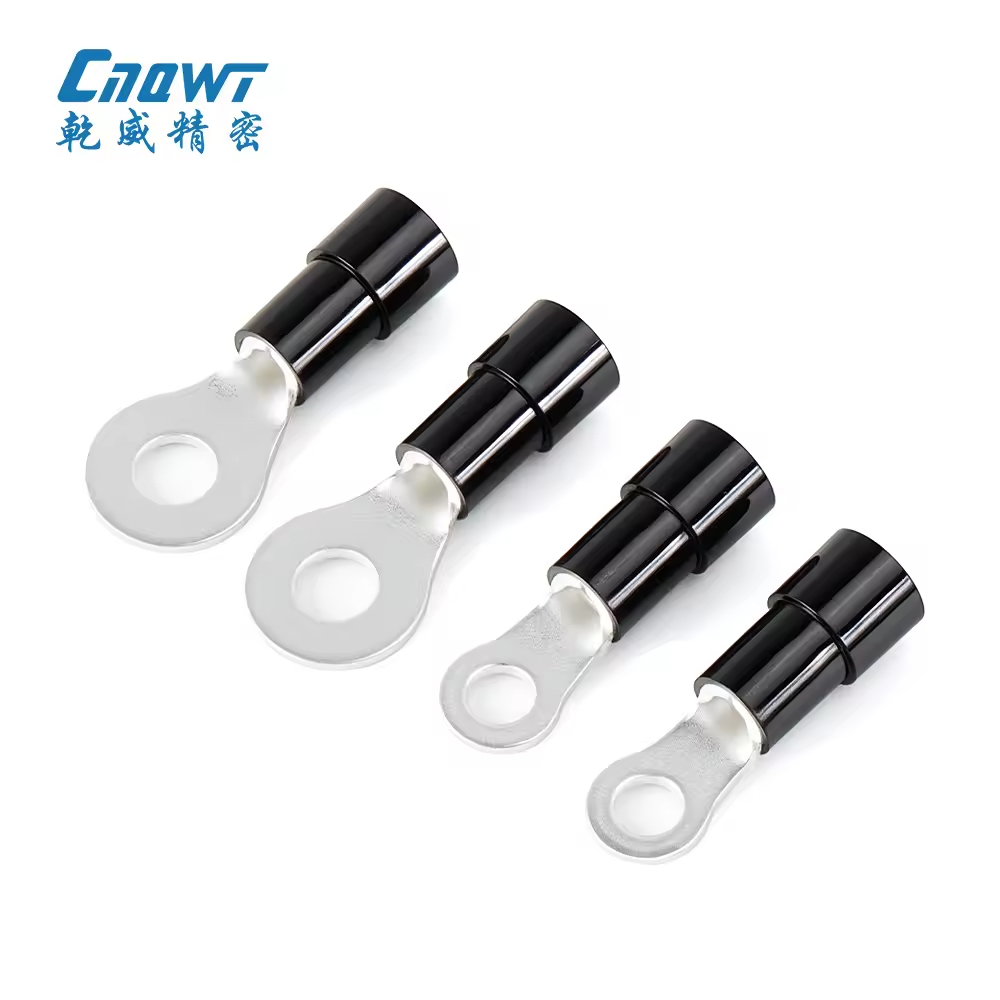
Ring Terminals
Ring terminals provide:
- Strong mechanical attachment
- Excellent vibration resistance
- Stable electrical contact
They are widely used in automotive and industrial systems.
Cable Lugs
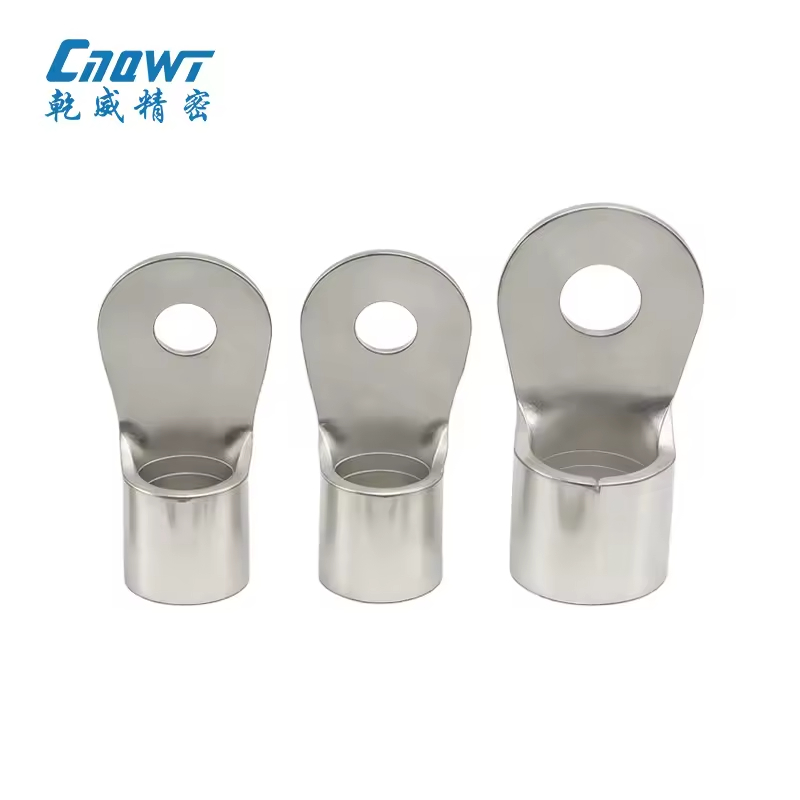
Cable lugs are ideal for:
- High-current applications
- Power distribution systems
- Battery connections
Butt Connectors
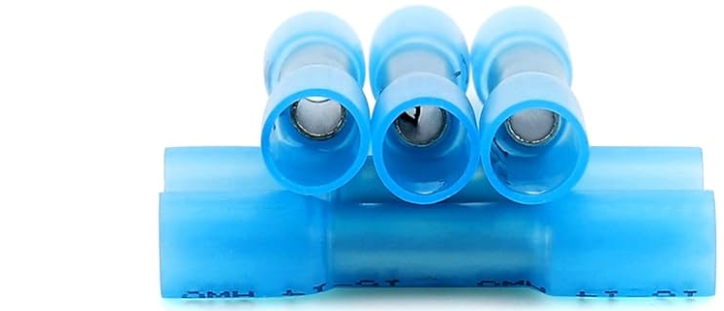
Butt connectors are commonly used for waterproof inline wire splicing.
Spade Terminals
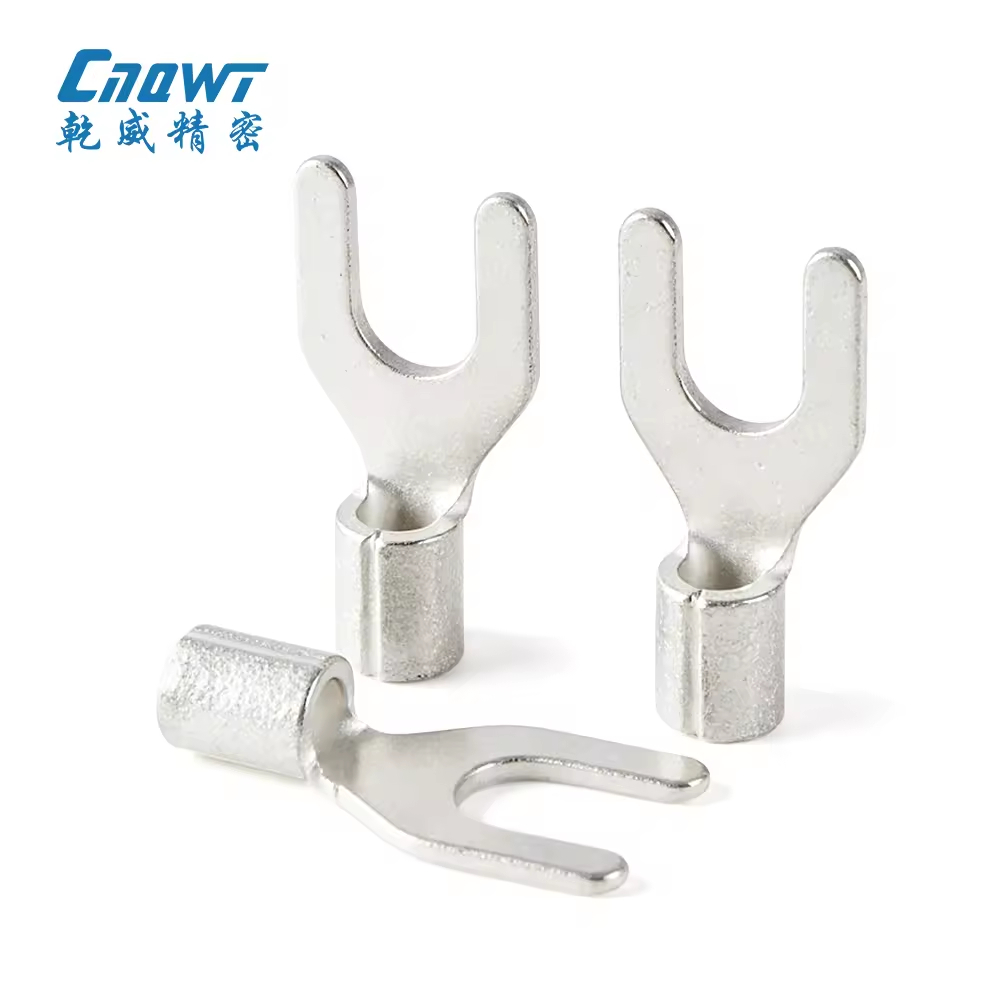
Spade terminals allow easier installation and removal, but may be less vibration-resistant compared with ring terminals.
Common Outdoor Electrical Applications
Outdoor terminals are widely used in many industries.
Solar Power Systems
Solar installations require terminals resistant to:
- UV exposure
- Heat
- Moisture
- Long-term outdoor aging
EV Charging Equipment
EV charging systems require:
- Stable conductivity
- Weather resistance
- Long-term durability
Marine Electrical Systems
Marine applications demand excellent corrosion resistance due to constant saltwater exposure.
Outdoor Lighting
Lighting systems often face:
- Rain
- Temperature cycling
- UV exposure
Industrial Machinery
Industrial equipment requires durable terminals capable of handling vibration and contamination.
Common Failures in Outdoor Electrical Connections
Understanding common failures helps improve system reliability.
Corrosion Buildup
Corrosion increases resistance and weakens conductivity.
Overheating
Poor connections create heat buildup, which accelerates terminal degradation.
Loose Crimps
Weak crimps may fail under vibration or thermal cycling.
Water Damage
Moisture intrusion can create short circuits and insulation failure.
Insulation Cracking
UV exposure and temperature cycling may cause insulation deterioration over time.
How to Improve Outdoor Terminal Reliability
Several best practices can significantly improve terminal lifespan.
Use Proper Crimping Tools
Correct tooling ensures:
- Stable compression
- Low resistance
- Strong pull-out force
Choose Correct Wire Size
Matching terminal size to conductor size is essential.
Select High-Quality Plated Terminals
Tin-plated terminals offer better corrosion resistance and long-term stability.
Apply Heat Shrink Protection
Heat shrink tubing improves:
- Waterproofing
- Insulation protection
- Mechanical durability
Perform Regular Inspection
Periodic maintenance helps identify:
- Corrosion
- Loose connections
- Insulation damage
before major failures occur.
Testing Standards for Harsh Environment Terminals
Reliable terminals should undergo strict testing procedures.
Salt Spray Testing
Evaluates corrosion resistance under salt exposure.
Thermal Cycling Testing
Simulates repeated heating and cooling conditions.
Pull-Out Force Testing
Verifies crimp strength and mechanical retention.
Waterproof Testing
Confirms sealing performance under moisture exposure.
Vibration Testing
Ensures terminals maintain stable contact under mechanical stress.
Why Choose Qianwei Precision
Qianwei Precision manufactures high-reliability electrical terminals for demanding outdoor and industrial applications.
Our Advantages
- Precision stamping technology
- Stable tin plating processes
- Strict quality control systems
- 1800+ production molds
- OEM & custom manufacturing support
Product Range
We provide:
- Ring terminals
- Cable lugs
- Spade terminals
- Butt connectors
- Pin terminals
Our products are widely used in:
- Automotive systems
- Renewable energy equipment
- Industrial machinery
- Power distribution systems
Conclusion
Outdoor and harsh environments place extreme demands on electrical terminals.
Factors such as:
- Corrosion
- Moisture
- UV exposure
- Temperature cycling
- Mechanical vibration
can significantly reduce connection reliability if the wrong terminal is selected.
Choosing high-quality terminals with proper:
- Materials
- Plating
- Waterproof protection
- Crimping quality
is essential for ensuring long-term electrical stability and safety.
Reliable outdoor electrical systems begin with reliable connections.
Looking for Reliable Outdoor Electrical Terminals?
Qianwei Precision provides customized terminal solutions engineered for demanding outdoor and industrial applications.
- Request free samples
- Get engineering support
- Customize your terminal solution
Contact Qianwei Precision today for professional electrical connection solutions.
FAQs
What are the best terminals for outdoor use?
Tin-plated copper terminals are among the best choices for outdoor applications because they provide:
- Excellent conductivity
- Strong corrosion resistance
- Long-term durability
For extremely harsh environments, waterproof heat shrink terminals and sealed connectors are also recommended.
Why are tin-plated terminals better for harsh environments?
Tin plating helps protect terminals from:
- Moisture
- Oxidation
- Corrosion
- Environmental contamination
It also maintains stable conductivity and reduces contact resistance over time.
What causes outdoor electrical terminals to fail?
Common causes include:
- Corrosion
- Water ingress
- Poor crimping
- UV damage
- Temperature cycling
- Vibration loosening
Using low-quality or unprotected terminals significantly increases failure risk.
Are waterproof terminals necessary for outdoor applications?
Yes. Waterproof terminals help prevent:
- Moisture intrusion
- Corrosion buildup
- Short circuits
- Insulation damage
They are especially important in:
- Marine systems
- Automotive applications
- Renewable energy installations
- Outdoor power equipment
What IP rating is best for outdoor electrical connections?
For most outdoor applications:
- IP67 is suitable for temporary water exposure
- IP68 offers higher protection for long-term wet environments
The required IP rating depends on the operating conditions.
How does corrosion affect electrical terminals?
Corrosion increases contact resistance, which can lead to:
- Voltage drop
- Heat generation
- Reduced conductivity
- Connection instability
Severe corrosion may eventually cause complete electrical failure.
Can heat shrink terminals prevent water damage?
Yes. Heat shrink terminals create a sealed connection that helps block:
- Water
- Dust
- Moisture
- Environmental contaminants
Adhesive-lined heat shrink terminals provide even better waterproof protection.
Which terminal material is best for marine environments?
Tin-plated copper terminals with stainless steel hardware are commonly used in marine environments because they provide:
- Excellent corrosion resistance
- Stable conductivity
- Better salt spray performance
How do temperature changes affect electrical terminals?
Temperature cycling causes metals to expand and contract repeatedly, which may result in:
- Loose connections
- Increased resistance
- Crimp fatigue
- Insulation damage
High-quality terminals are designed to withstand thermal stress.
What terminal type is best for vibration-heavy environments?
Ring terminals are generally considered the most secure option for vibration-heavy applications because they provide:
- Strong mechanical fastening
- Stable electrical contact
- Better resistance to loosening
They are widely used in:
- Automotive systems
- Industrial machinery
- Construction equipment
Do outdoor terminals require regular maintenance?
Yes. Regular inspection helps identify:
- Corrosion buildup
- Loose connections
- Insulation damage
- Overheating signs
Preventive maintenance improves long-term reliability and safety.
Why is proper crimping important for outdoor terminals?
Proper crimping ensures:
- Low contact resistance
- Strong mechanical retention
- Better vibration resistance
- Stable conductivity
Poor crimping can cause overheating and premature terminal failure.


2 thoughts on “Choosing Terminals for Outdoor and Harsh Environments”