

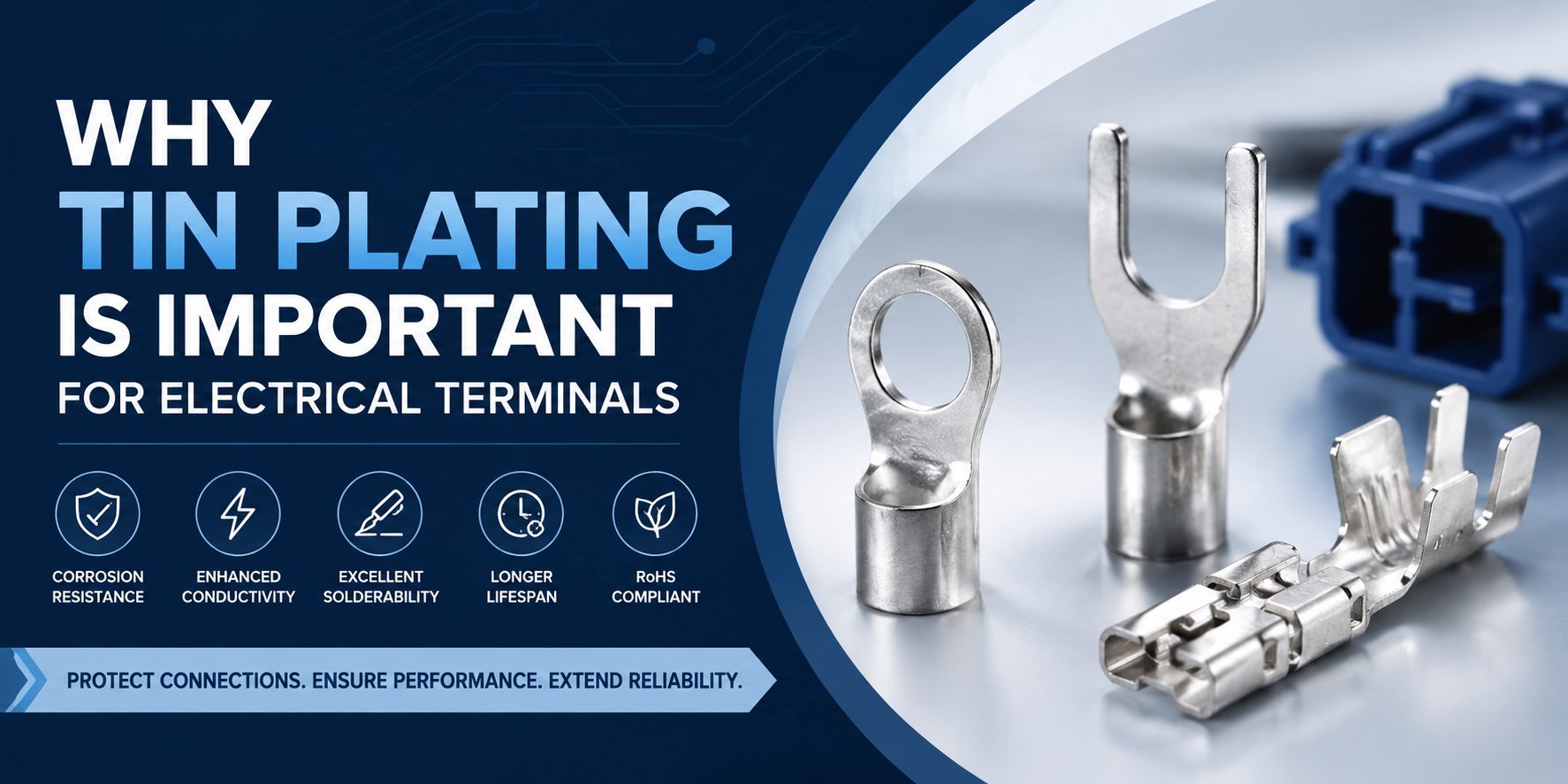
Electrical terminals are critical components in modern electrical systems. Whether used in automotive wiring harnesses, industrial control equipment, renewable energy systems, or consumer electronics, terminals must maintain stable electrical conductivity and long-term mechanical reliability.
However, bare metal terminals are highly vulnerable to:
- Oxidation
- Corrosion
- Moisture exposure
- Increased contact resistance
These problems can significantly reduce terminal performance and shorten the lifespan of electrical systems.
To solve these issues, manufacturers commonly apply surface plating treatments to terminals. Among all available surface finishes, tin plating remains one of the most widely used and cost-effective solutions in the electrical industry.
Tin-plated terminals provide:
- Better corrosion resistance
- Improved conductivity stability
- Enhanced solderability
- Longer service life
- Reduced maintenance requirements
As modern electrical systems continue evolving toward higher reliability and longer operational life, tin plating has become increasingly important for ensuring stable electrical connections.
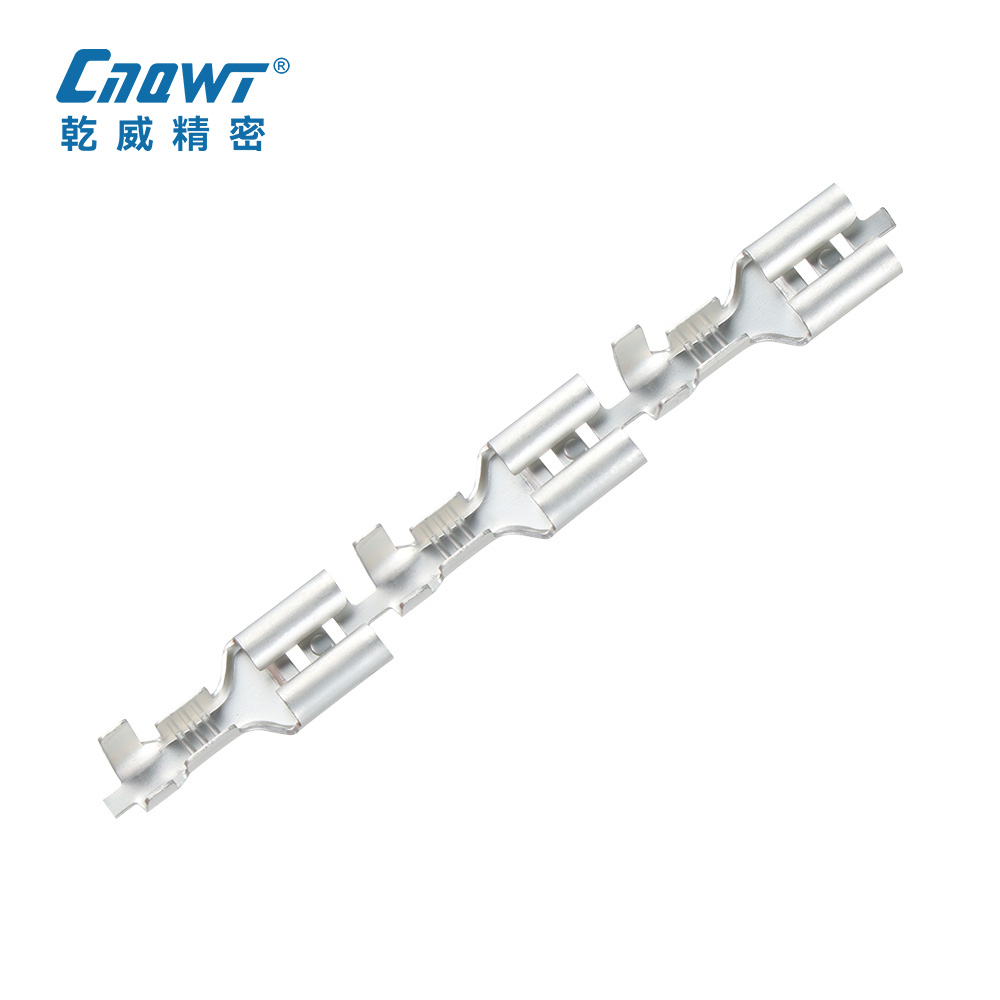
What Is Tin Plating?
Tin plating is a surface treatment process in which a thin layer of tin is applied to the surface of a metal terminal.
The base material is typically:
- Copper
- Brass
- Phosphor bronze
The plating layer helps protect the underlying metal from environmental exposure while improving the electrical and mechanical performance of the terminal.
How Tin Plating Works
During the electroplating process:
- The terminal is cleaned and prepared
- The component is immersed in an electrolyte solution
- Tin ions are deposited onto the metal surface
The resulting tin layer forms a protective barrier that helps reduce oxidation and corrosion.
Why Electrical Terminals Need Surface Plating
Bare metal terminals may initially provide excellent conductivity, but without surface protection, performance can deteriorate over time.
Oxidation Problems
Copper and brass naturally oxidize when exposed to air and moisture.
As oxidation develops:
- Surface resistance increases
- Electrical conductivity decreases
- Heat generation rises
Oxidized surfaces may eventually create unstable electrical contact.
Corrosion Risks
Electrical systems often operate in harsh environments involving:
- Humidity
- Temperature cycling
- Chemicals
- Salt exposure
- Outdoor conditions
Without plating protection, corrosion can quickly damage bare terminals.
Increased Contact Resistance
Surface contamination and oxidation increase contact resistance.
Higher resistance leads to:
- Voltage drop
- Energy loss
- Excessive heat generation
- Reduced efficiency
Reduced Lifespan
Unprotected terminals generally require:
- More maintenance
- Earlier replacement
- Increased downtime
This is why surface plating is essential for long-term reliability.
Key Benefits of Tin Plating for Electrical Terminals
Tin plating offers several major advantages that make it one of the most commonly used surface finishes for electrical terminals.
Excellent Corrosion Resistance
One of the biggest advantages of tin plating is corrosion protection.
Tin creates a protective layer that helps prevent:
- Moisture penetration
- Surface oxidation
- Environmental corrosion
This is especially important in:
- Automotive systems
- Renewable energy equipment
- Outdoor electrical installations
- Marine environments
Compared with bare copper terminals, tin-plated terminals maintain cleaner and more stable surfaces over time.
Better Performance in Humid Environments
High humidity accelerates metal oxidation. Tin plating significantly improves resistance to moisture exposure, helping maintain reliable conductivity even under demanding environmental conditions.
Improved Electrical Conductivity Stability
Although copper itself has excellent conductivity, oxidation can reduce its long-term electrical performance.
Tin plating helps maintain:
- Stable contact resistance
- Reliable conductivity
- Consistent current flow
This is particularly important in:
- High-current systems
- Sensitive electronic equipment
- Long-term industrial installations
Stable conductivity improves overall system reliability and reduces overheating risks.
Better Solderability
Tin-plated terminals offer excellent solderability.
This makes them ideal for:
- Electronic assemblies
- PCB applications
- Wire harness manufacturing
The tin surface allows solder to spread evenly and create stable joints more easily compared with oxidized bare copper.
Cost-Effective Surface Treatment
Compared with premium plating materials such as silver or gold, tin plating provides an excellent balance between:
- Performance
- Durability
- Cost efficiency
This makes tin plating highly suitable for large-scale industrial manufacturing.
For many applications, tin plating delivers sufficient corrosion resistance and electrical stability without significantly increasing production cost.
.jpg)
Enhanced Terminal Lifespan
By reducing oxidation and corrosion, tin plating helps extend terminal lifespan.
Benefits include:
- Lower maintenance frequency
- Reduced replacement costs
- Improved long-term reliability
This is especially valuable in systems expected to operate continuously for many years.
Improved Surface Appearance
Tin-plated terminals maintain a clean, bright, and consistent appearance.
Advantages include:
- Better product aesthetics
- Improved quality perception
- Reduced visible oxidation
For OEM manufacturers, appearance consistency is often an important quality factor.
How Tin Plating Improves Terminal Reliability
Terminal reliability depends heavily on surface condition and contact stability.
Tin plating improves reliability in several important ways.
Reduced Contact Resistance
Tin-plated surfaces help maintain stable electrical contact over time.
Lower contact resistance means:
- Reduced heat generation
- Better energy efficiency
- Improved current flow stability
Better Long-Term Stability
Because tin slows oxidation, terminals remain electrically stable for longer periods.
This is critical in:
- Automotive systems
- Industrial equipment
- Power distribution systems
where maintenance access may be limited.
Improved Mechanical Protection
The plating layer also helps protect the terminal surface from:
- Minor abrasion
- Environmental contamination
- Surface degradation
Better Vibration Resistance
In vibration-prone environments such as vehicles and industrial machinery, stable contact surfaces are essential for maintaining reliable electrical connections.
Tin-Plated vs Bare Copper Terminals
The difference between tin-plated and bare copper terminals becomes increasingly noticeable over time.
| Feature | Tin-Plated Terminal | Bare Copper Terminal |
|---|---|---|
| Corrosion Resistance | Excellent | Low |
| Oxidation Resistance | High | Poor |
| Conductivity Stability | Stable | Decreases Over Time |
| Lifespan | Longer | Shorter |
| Surface Appearance | Bright & Clean | Darkens Easily |
| Maintenance Needs | Lower | Higher |
Bare copper terminals may initially provide slightly higher conductivity, but oxidation rapidly reduces long-term performance.
For most industrial and automotive applications, tin-plated terminals are the preferred solution.
Tin-Plated vs Nickel-Plated Terminals
Both tin plating and nickel plating are widely used in electrical terminals, but each serves different applications.
Advantages of Tin Plating
Tin plating offers:
- Good conductivity stability
- Excellent solderability
- Strong corrosion resistance
- Lower cost
Suitable for:
- Automotive wiring
- Consumer electronics
- Industrial equipment
- General electrical systems
Advantages of Nickel Plating
Nickel plating performs better under:
- High-temperature environments
- Chemical exposure
- Severe industrial conditions
However, nickel plating is typically more expensive and may offer lower solderability compared with tin plating.
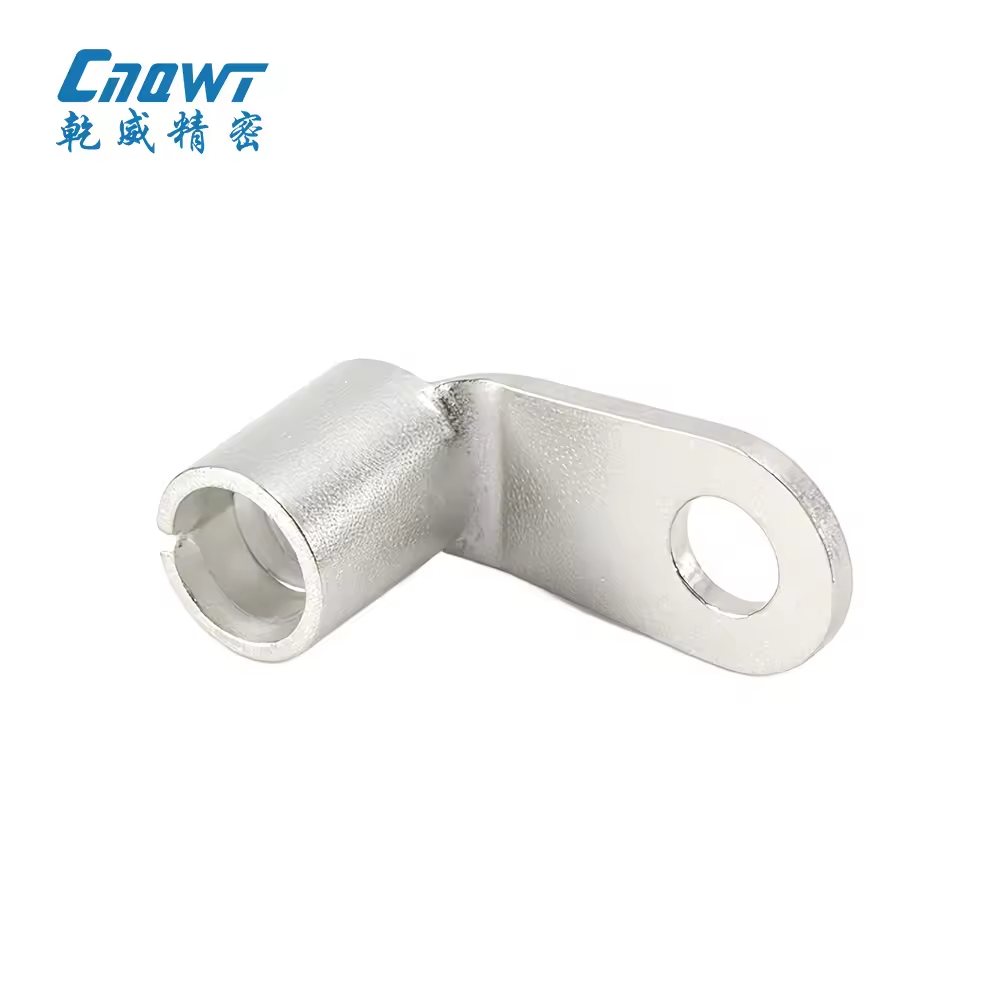
Which One Should You Choose?
For standard industrial applications, tin plating is often the best balance between performance and cost.
For extreme high-temperature environments, nickel plating may be more suitable.
Common Applications of Tin-Plated Electrical Terminals
Tin-plated terminals are widely used across multiple industries.
Automotive Wiring Harnesses
Automotive systems require terminals capable of resisting:
- Humidity
- Vibration
- Temperature fluctuation
Tin-plated terminals help ensure long-term connection stability in:
- Lighting systems
- ECU wiring
- Battery connections
- Auxiliary electrical systems
Power Distribution Systems
Power distribution equipment requires low-resistance electrical connections.
Tin-plated cable lugs and terminals help:
- Reduce heat generation
- Improve conductivity stability
- Prevent corrosion
Renewable Energy Systems
Solar and energy storage systems often operate outdoors under:
- UV exposure
- Moisture
- Temperature cycling
Tin plating improves long-term durability in these harsh conditions.
Industrial Automation Equipment
Industrial machinery operates continuously under demanding conditions.
Tin-plated terminals provide:
- Stable electrical performance
- Lower maintenance requirements
- Improved operational reliability
Consumer Electronics
Consumer electronics manufacturers prefer tin-plated terminals because of:
- Compact reliability
- Good solderability
- Stable conductivity
Home Appliances
Appliances such as:
- Refrigerators
- Washing machines
- Air conditioners
often rely on tin-plated terminals for safe long-term electrical operation.
Tin Plating Thickness & Quality Standards
Plating quality directly affects terminal performance.
Common Tin Plating Thickness
Typical plating thickness ranges include:
- 3μm
- 5μm
- 8μm
- 10μm
Thicker plating generally improves corrosion resistance and lifespan.
Importance of Uniform Plating
Uneven plating can create:
- Weak corrosion protection
- Local oxidation points
- Inconsistent conductivity
Consistent plating thickness is essential for reliable performance.
Common Testing Methods
High-quality tin-plated terminals typically undergo:
- Salt spray testing
- Plating thickness inspection
- Contact resistance testing
- Crimp pull-force testing
These tests help verify long-term reliability.
Common Problems with Poor Tin Plating
Low-quality plating can create serious performance issues.
Uneven Plating
Thin or inconsistent areas may oxidize rapidly.
Peeling
Poor adhesion may cause plating separation during crimping or operation.
Oxidation Spots
Insufficient plating protection can lead to localized corrosion.
Increased Resistance
Damaged plating increases contact resistance and heat generation.
Poor Crimping Performance
Low-quality plating may crack during crimping, affecting connection reliability.
How to Choose High-Quality Tin-Plated Terminals
When selecting tin-plated terminals, several factors should be considered.
Material Quality
High-conductivity copper materials generally provide the best electrical performance.
Plating Consistency
Stable and uniform plating is essential for long-term durability.
Crimp Structure Design
Well-designed crimp barrels improve:
- Pull-out force
- Conductivity
- Mechanical stability
Certification Standards
Reliable manufacturers should comply with:
- UL
- RoHS
- REACH
- ISO 9001
- IATF 16949
These certifications help ensure manufacturing quality and compliance.
Why Choose Qianwei Precision
Qianwei Precision specializes in high-quality electrical terminal manufacturing for demanding industrial applications.
Our Advantages
- Precision stamping technology
- Stable tin plating processes
- Strict quality control systems
- 1800+ production molds
- OEM & custom manufacturing support
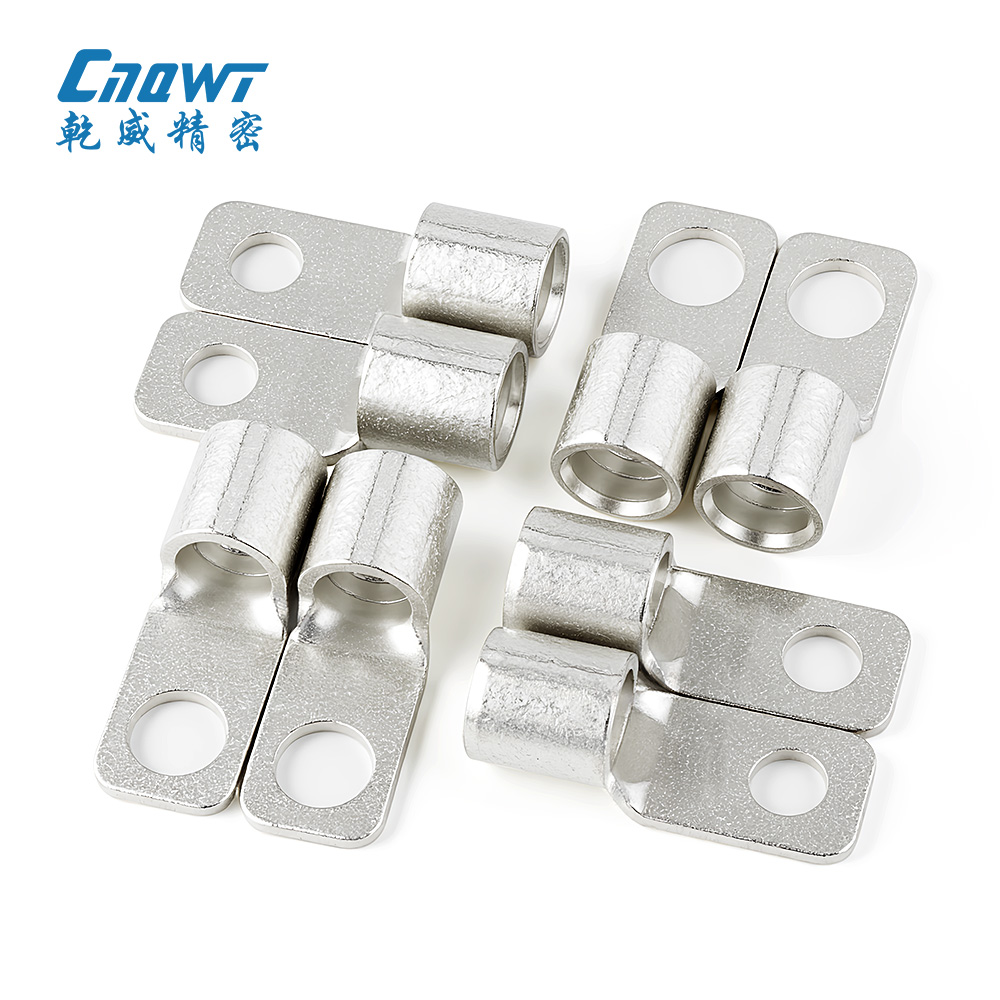
Product Range
We manufacture:
- Ring terminals
- Cable lugs
- Spade terminals
- Butt connectors
- Pin terminals
Our products are widely used in:
- Automotive systems
- Industrial equipment
- Renewable energy systems
- Consumer electronics
- Power distribution applications
Conclusion
Tin plating plays a critical role in improving the performance and reliability of electrical terminals.
By reducing oxidation and corrosion, tin-plated terminals provide:
- Stable conductivity
- Lower contact resistance
- Longer lifespan
- Better environmental durability
As electrical systems continue demanding higher reliability and longer service life, tin-plated terminals remain one of the most practical and cost-effective solutions across automotive, industrial, and power distribution industries.
Reliable electrical systems start with reliable connections.
Looking for Reliable Tin-Plated Electrical Terminals?
Qianwei Precision provides high-quality customized terminal solutions for industrial and automotive applications.
- Request free samples
- Get engineering support
- Customize your terminal solution
Contact Qianwei Precision today for professional electrical connection solutions.
FAQs
1. What is tin plating in electrical terminals?
Tin plating is a surface treatment where a thin layer of tin is coated onto metal terminals, typically copper or copper alloys, to improve conductivity and corrosion resistance.
2. Why is tin used for plating electrical terminals?
Tin is used because it provides excellent corrosion protection, good electrical conductivity, and stable performance in various environmental conditions.
3. Does tin plating improve electrical conductivity?
Yes, tin plating helps maintain stable electrical conductivity by preventing oxidation on the base metal surface, which would otherwise increase resistance.
4. How does tin plating prevent corrosion?
Tin forms a protective barrier that shields the underlying metal from moisture, oxygen, and chemicals, significantly reducing corrosion risk.
5. Is tin plating necessary for all electrical terminals?
Not always, but it is highly recommended for terminals used in harsh environments, high humidity, automotive systems, or industrial applications.
6. What is the difference between bright tin and matte tin plating?
Bright tin has a shiny appearance and smoother surface, while matte tin is duller but often provides better solderability and stress resistance.
7. Does tin plating affect the lifespan of electrical terminals?
Yes, tin plating significantly extends terminal lifespan by reducing oxidation, wear, and environmental degradation.
8. Is tin plating environmentally friendly?
Tin is considered a relatively safe and RoHS-compliant material, making it suitable for environmentally regulated industries.
9. Can tin-plated terminals handle high temperatures?
Tin plating performs well under moderate temperatures, but in extremely high-temperature applications, alternative coatings may be required depending on specifications.
10. What industries commonly use tin-plated electrical terminals?
They are widely used in automotive, renewable energy systems, home appliances, industrial machinery, and telecommunications equipment.


3 thoughts on “Why Tin Plating Is Important for Electrical Terminals”